St. John’s newest bouldering gym and cafe, The Cove, wants you to ‘get stoked!’
Bouldering is rock climbing without ropes – but don’t worry, you don’t go as high, there are beginner-friendly routes, and the staff at The Cove will teach you how to fall safely.
Pioneered by longtime members of the climbing community in Newfoundland, co-owners Joel Harvie, Daniel Alacoque, Stephen Ryan and Bob Flynn have found great success since opening their doors in the summer of 2023.
Bouldering: both addictive and aerobic
Climbing seems to come to people entirely by chance, but once folks find it they’re absolutely hooked. Co-founder and operator Joel Harvie got a coupon for Walnuts – St. John’s only other climbing gym – on a bus back from a marble mountain trip in his early twenties, and after cashing in on it, “I was at Walnuts every day for a month until I had to take a rest day, climbing was just very, very addicting, I couldn’t help myself, I haven’t looked back since and now here we are.”
Co-founder and operator Daniel Alacoque also found climbing around a similar age. After his friend pawned off their old climbing shoes on to him, Alacoque tried it out of curiosity and found himself quickly addicted to climbing as well.
The climbing walls at The Cove (Submitted)
The Cove came to be when Harvie and Alacoque were both working at Walnuts. Heavily immersed in the local rock–climbing community, they identified a want for more in St. John’s, as they had both “done a fair bit of travel and had seen what climbing could be outside of Newfoundland.”
“We were both working on this idea of a bouldering gym separately and we somehow figured each other out, sat down once for a conversation over a beer at Big Ben’s and I don’t think we ever turned around and thought about doing it without each other after that,” Harvie says, “we wanted to give back to the community who gave us so much.” Their visions for what a bouldering gym in St. John’s might look like seemed to align perfectly, and they began seriously working on the idea.
“We wanted to give back to the community that gave us so much,” says Joel Harvie (Submitted)
Cardio and community at the ‘church‘
Since its grand opening, The Cove has seen an overwhelmingly positive response from patrons, achieving one of the co–founder’s main goals in its establishment: to grow the local climbing community. Joel Harvie recalled that at the beginning, their friends and existing members of the local climbing community were thrilled. Now, over half their client base is people who didn’t climb before The Cove, and people seem to love the place.
Alacoque likened being immersed in the climbing community to church, saying that “from what we know growing up, the climbing community is a little bit like a church sometimes, you spend years in the community – you see people meet each other, get married, have kids, and they’re all continuously climbing whether it’s casually climbing in the same day or hanging out at community events and its really cool to see.”
“Seeing the youth come up in our ‘church,’ in our community, and so many of them continuing to stay involved after their default programming as a youth athlete … watching them still hang around and integrate into the community of their own volition has been really cool,” Harvie added.
As far as fitness goes, bouldering especially has a low barrier to entry. Harvie cites the accessibility factor as one of the main reasons for its spike in popularity over the last decade, “for bouldering you don’t need to do any kind of rope safety lesson which makes it more accessible to just try it out… if you imagine trying to organize every one of your workouts around somebody else, that’s brutal, so bouldering lets you just come in and do it on your own.”
Patrons climbing at the Cove (The Cove)
Climbing also has a sense of childlike whimsy about it – many St. John’s residents may recall attending a birthday party at Walnuts as a child – which makes it a great outlet for stress relief, all while staying active. “Climbing also is a very natural thing to do, you grow up climbing trees, and stop as an adult, you don’t have that sort of childlike movement and it’s very cathartic to use your four limbs to climb up a wall,” Alacoque says.
Continued success of climbing on the rock
In conversation with The Muse, Alacoque also spoke about his experience as one of the leading climbing coaches in the province. Climbing is a highly individualized sport, and he said it’s been extremely rewarding to work with individual climbers and see their progress.
“Climbing is a good sport to coach the person rather than the team. If you coach a team of soccer, you’re focusing on the team, maybe some drills. You’re rarely challenging people and athletes one one-on-one, or encouraging the athlete to push their own limits individually. With climbing, all of the athletes, whether they’re youths or adults, they’re very individually focused. So if you are a person that is motivated to improve, climbing is a really good sport to push yourself,” says Daniel Alacoque.
The Cove recently announced plans for expansion following their immense success. The future of climbing in Newfoundland looks bright, and any susceptible climbers are encouraged to try it out, especially as the season’s weather worsens and staying active gets more difficult.
As the seasons change and students head towards the end of the fall semester, a growing number at Memorial are grappling with more than just academic pressures. The rising cost of living is forcing many to choose between their education and their next meal.
“It’s not just about skipping a meal, it’s about constant stress,” said a third-year Computer Science student who wishes to remain anonymous. “I never imagined university life would mean deciding between buying textbooks or groceries.”
To address this escalating crisis, Food First NL, in partnership with The Hub for the Study of Local Governance in NL, and the MUN Campus Food Bank, launched a comprehensive survey aimed at understanding food insecurity on campus. Their goal is to improve the services and practices of the Campus Food Bank, as well as advocating for equitable policy change.
The MUN St. John’s Campus Community Survey is now live and will remain open until December 15th, 2024. You can access the survey here.
The survey aims to gather insights into students’ experiences with food insecurity, their interactions with the Campus Food Bank, and their suggestions for meaningful change.
“We want to hear from everyone—faculty, staff, or even community members who access the campus. Whether or not you have used the Campus Food Bank, your input is valuable,” said Madison Hynes, Program Assistant at Food First NL.
“The project isn’t just about studying the problem; it’s about starting to find real solutions.”
Campus Food bank offerings (Jenna Head/The Muse)
Most students at MUN experience food insecurity: study
Food insecurity among MUN students has reached alarming levels. A 2021 study revealed that 58% of students at MUN experience food insecurity, significantly higher than the national average of approximately 13% (Blundell & Mathews, 2021).“Post-secondary populations have higher rates of food insecurity than the general population,” said Hynes.
According to Food Banks Canada’s 2024 Poverty Report Card, “Forty-three per cent of people [in NL] said they are struggling to access fresh and affordable food—the highest rate of any province.” Nearly 40% of the province is worried about feeding themselves and their family, which is ten percentage points higher than the national average.
As per Campus Food Bank data, food bank usage has doubled in 2023, overseeing 6324 visits. Relatively, the numbers for 2022 were 3317 visits. Currently, 2024 is heading for another recorded usage of over 6,000 annual visits.
Food insecurity doesn’t just mean hunger, it also affects mental health and academic performance. Upcoming research by Dr. Ken Fowler indicates that food-insecure students are more likely to experience high psychological distress and an increased frequency of suicidal thoughts. According to the study, they also tend to have lower grade point averages.
Insufficient financial aid a factor in food insecurity, says Hynes
Several factors contribute to the high rates of food insecurity among students. Rising tuition and living costs are significant issues, as “insufficient financial aid means many students’ aid packages don’t cover the full cost of tuition, let alone living expenses,” Hynes notes.
Currently, according to statistics from the provincial government, the unemployment rate has orbited around 10% since September. This has left many students who graduate unable to find full-time jobs. Many end up relying on casual jobs or part-time work to support themselves.
“We need data from the students to advocate for change,” said Madi Hynes, PhD candidate and Program Assistant with Food First NL. (Memorial Grad Studies)
Food First NL calls for innovative solutions
The partnership is exploring alternatives to traditional food assistance, with the grocery store model emerging as a promising approach. Instead of distributing pre-packaged hampers, this model allows students to select the items they need, mirroring a regular shopping experience. “The University of Alberta adopted this model and saw positive results,” said Hynes. “It’s less stigmatizing and more respectful of individual needs.”
At the University of Alberta, the Campus Food Bank transitioned to this model to offer a more dignified experience for students and community members facing food insecurity. By empowering users to make their own selections, the model aims to reduce waste and ensure that people receive food they’ll actually use.
However, implementing such a model comes with challenges. “Donors sometimes restrict how funds can be used, preferring to purchase non-perishable items over grocery gift cards,” said Hynes. The hope is that this model, with its focus on dignity and choice, will resonate with the community and encourage broader support for adapting food assistance to meet diverse needs.
Data needed for increased advocacy
Participation in the survey is crucial to driving change. “We need data from the students to advocate for change,” said Hynes. “By sharing your experiences, you’re contributing to a foundation for meaningful advocacy.” The information collected will inform strategies to enhance food accessibility and affordability on campus. “This is just the first step; our ultimate goal is to ensure that no student has to choose between their education and their next meal.”
Students’ responses are anonymous and confidential. By completing this survey, students will have a chance to sign up to win one of ten gift cards (including Dollarama, Sobeys, or Tim Hortons) at the end. The chances of winning are dependent on the number of entrants.
The survey is currently live and will close on December 15th, 2024. You can access it here.
If you are experiencing food insecurity or need assistance, resources are available:
MUN Campus Food Bank: Located in room CA1000 of the Global Learning Centre (formerly Corte Real) building, Burton’s Pond Apartments, on Memorial University’s St. John’s Campus, offering support to students in need.
Dial 211: Newfoundland and Labrador’s community services helpline offers a directory of local resources, including food assistance and support services.
I know what you are thinking: cycling is not really my thing. Cycling can be everyone’s thing! Whether as a hobby, commuting or simply an excuse to be outdoors.
Many people do not cycle because they have heard some reasons not to. But are they all true?
You need lots of fancy gear
Not at all. You just need a bike and a helmet. If you’re really into cycling, there will always be other nice gear that you might like to get later, but to start out, they aren’t necessary (and some of the high end equipment might not even give you an advantage as a beginner.
Bikes and gear are expensive
It is 2024 and inflation rates are rising but the cost of your bike gear doesn’t have to. There are loads of options to keep things on a budget, from second hand bikes online, to free or more affordable community bike repair shops. And with fewer components on a bike that wear down and break, you could really be saving some money. With savings in your pocket and a good bike, you would be smiling on your ride to the bank a lot more often.
On the topic of gear, as mentioned above, you do need a helmet. But, you might ask, are expensive helmets safer? No. All helmets are made to the same safety standard. Expensive helmets are usually just more comfortable or have other additional features like ventilation, light weight, visors, built-in lights, etc.
Only expensive bikes are worth riding
Expensive bikes will have various nice features. Generally, a high end (expensive) bike will go longer before the components wear down. They are often lighter. They might also have a larger range of gears that make hills easier. But… any bike in good working order will get you around town.
Cyclist at the Core Science building, MUN. (Photo by Otis Crandell)
Biking takes longer
It depends. In rush hour, a bike can often go short distances faster than a car. In St. John’s, anywhere within a 40 minute bus ride will probably be faster to get to by bike. Biking requires planning to know which roads will get you to your destination the fastest, and avoid hills as much as possible. Google Maps is a great way to plan out your trip.
It’s also good to plan the travel time into your schedule to take into account the extra time that it might take. Although it might take extra time, you can also count that towards your daily workout, so 30 minutes on the road is a combination of travel time and workout time.
Biking in the city is dangerous
It can be. That said, most cyclists go a long time without any sort of dangerous incident. The key is to be aware and ride responsibly – be predictable, wear bright clothing, look around you, anticipate what motor vehicle drivers are going to do, follow traffic rules, and claim your lane. It’s also good to avoid roads with heavy traffic and instead take a slightly longer route but with fewer cars.
I’m out of shape
If you are new to riding or haven’t ridden in a long time, then it may seem strenuous at the beginning. But if you ride for even half an hour every day (for example, to and from school) then you’ll notice that your legs will adapt within a few months. Biking will help you to get back into shape.
Cyclist at the University Centre, MUN. (Photo by Otis Crandell)
I’ll arrive at class sweaty
This might be true. In that case, you can always take it easy and take into consideration more time to get to your destinations. If you’re going to the university, you can take a shower at the Field House.
My clothes will get wet/dirty/wrinkled
If this is the case, you can always bring a change of clothes with you. Or have a change waiting in your locker. If you shower at the gym, you can also change into your new outfit at the same time.
On the topic of rain, what can you do when it’s raining? You have a couple of options. You could wear rain pants and a water resistant jacket. If you don’t mind being wet for a while, you could just change when you get to school. Or you could simply not ride that day.
Bike seats are uncomfortable
There are all sorts of seats. If you don’t like the one that came with your bike, you can pop into any cycling store and pick up a new one that suits you. They are interchangeable.
I live too far from the university
You can always ride part way and then take the bus. The city buses have bike racks on the front of them (from spring to early fall). Or ride to school and take the bus home. After a while you may find that you can do more and more of the trip by bike.
You can’t carry much on a bike
You would probably be surprised at how much you can fit into the panniers and/or baskets, and a backpack. A lot of cyclists carry the week’s groceries in a single trip. You can get quite large baskets or travel boxes for the back of your bike, or even a trailer for taking the little ones to school or the pool.
Is there a best way to carry groceries? What about my school books and laptop? There is no “best” way in general. It depends on you. There are various ways to carry things. Some people prefer a backpack, others prefer panniers, others like a large carrier box on the back (like a small trunk) that they can put their stuff in and take it out when they get to their destination. If you’re going on a long trip, you might want a trailer. If you want to carry a sofa, you might need a box bike. If you’re transporting your kids, consider a trailer (or a box bike).
In a way, yes, it does. But, most skills that you’ll need to maintain on your own bike are easy to learn. You can probably find a community bike garage (either in the city or on campus) where someone will show you how to maintain (or even fix) your bike. After you’ve changed a few tubes or bearings, or trued the spokes on a few wheels, you’ll get the hang of it. And if you don’t, there’s no shame in taking the bike to a professional to do a yearly tune-up.
If you’re interested in learning more about bike maintenance and repair, ask around to find a local bike club. Some might offer classes. Or visit a community bike garage where someone will probably show you how to fix things on your bike.
Friends out for a ride. (Photo by Otis Crandell)
All-in-all, there are lots of good reasons to take up cycling:
exercise
being more “green”
saving on car costs and maintenance (gas, parking, repairs, insurance)
more freedom and mobility than city buses
enjoying an outdoor activity
reduce stress
appreciate your surrounding while travelling
If you’d like to get started in cycling, contact the MUN Bike Hub (MUNBikeHub@gmail.com). The MBH is a student-run group whose objective is to promote cycling. The group organises easy, leisurely bike excursions and long distance excursions (also for leisure), as well as other bike related workshops and events on campus. The group is also advocating for a bike centre on campus where students can fix their own bikes and get guidance from experienced mechanics as well as a place to borrow bikes.
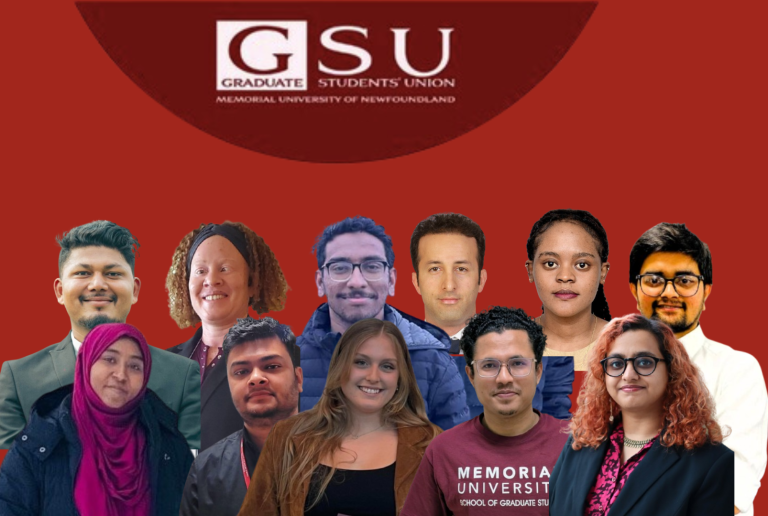
Following the resignation of Sanjana Khan Shammi on October 1st, the Graduate Student Union is holding a by-election for the role of Executive Director of Communications. Voting takes place online from December 2nd to December 3rd, and only graduate students are eligible to vote.
Chief Returning Officer Connor Keill says he hopes to “run a fair, friendly, and transparent election.” Nominations for the election opened on November 23rd and closed on November 27th, and candidates will have about four days to campaign before the vote begins. When asked via email about the short timeline, Keill said the goal was to have the election done before exams.
“While the compressed calendar has been difficult for everyone, I have been very impressed by the ability of our candidates to rise to the challenge,“ said Keill.
The election will be a ranked ballot vote, graduate students will rank their choices from first to fourth.
Here are the candidates:
Oluleye Adebowale Adewale
Oluleye Adebowale Adewale is a graduate student in the Department of Safety and Risk Engineering (GSU)
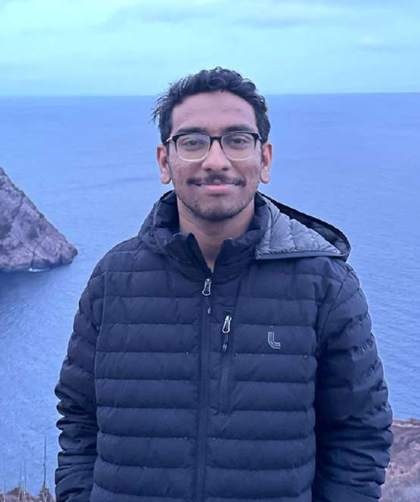
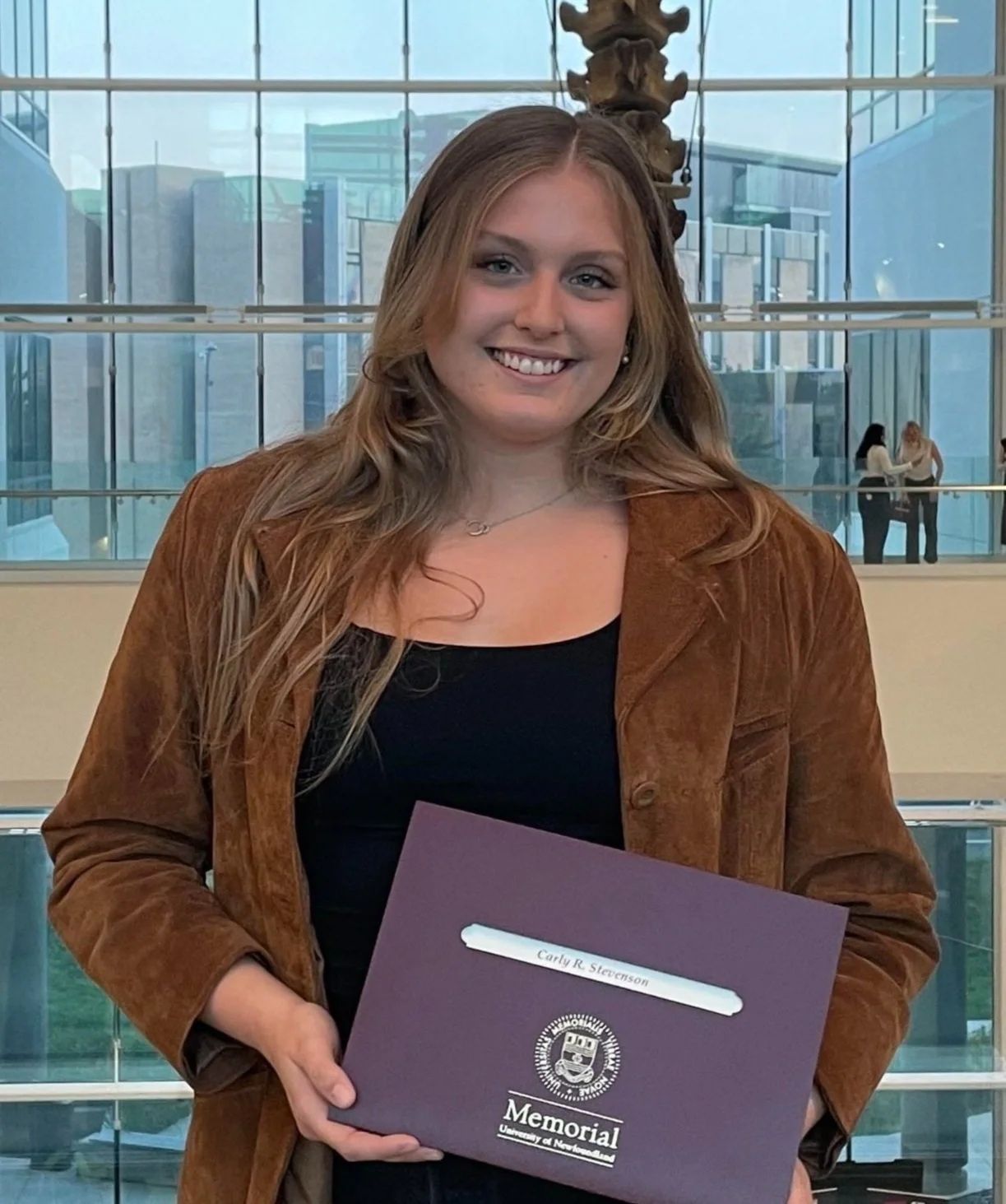
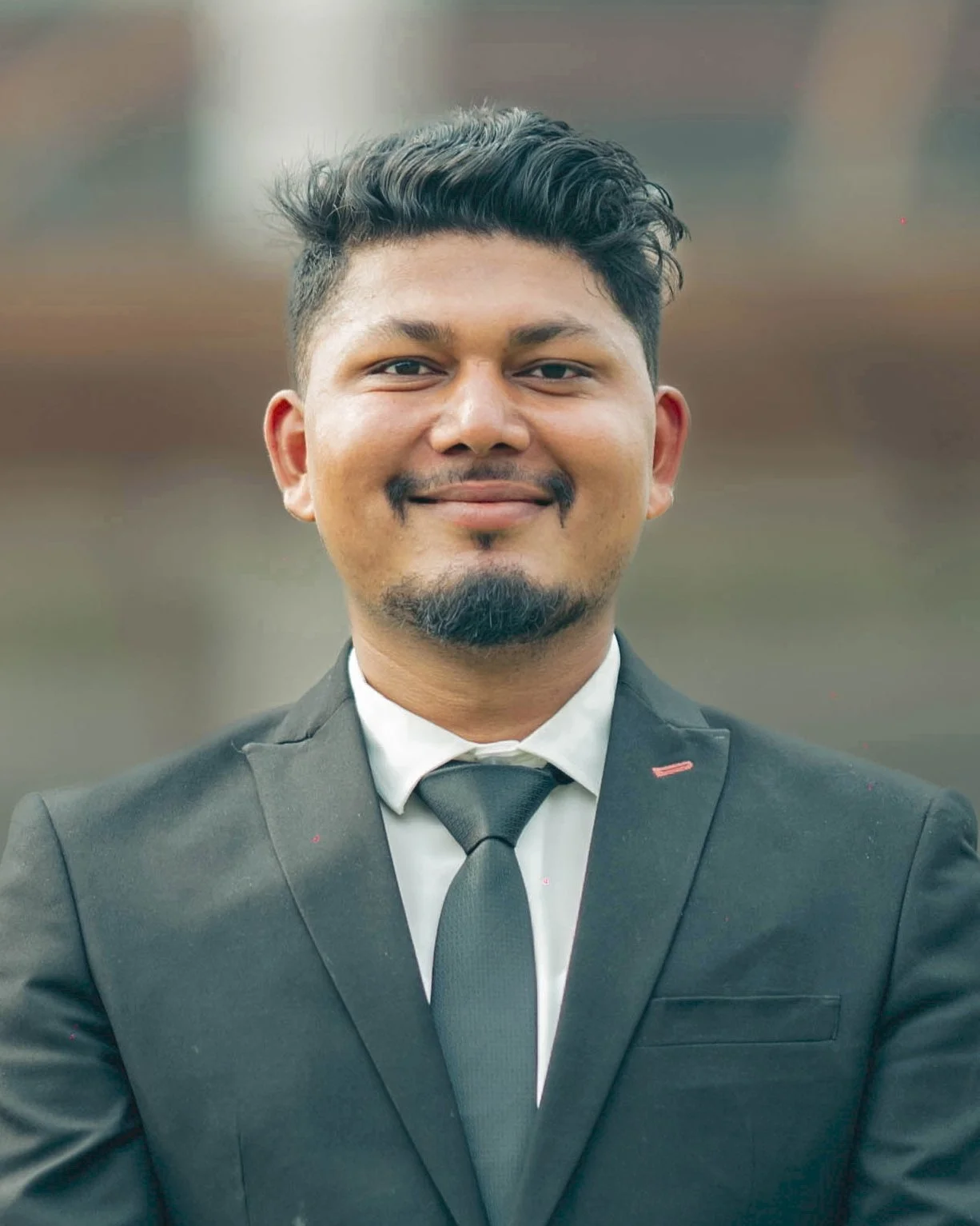
Oluleye Adebowale Adewale is a graduate student in the Department of Safety and Risk Engineering. He says his experience in record keeping will help him bring transparency to the role.
On his campaign profile, Adewale says he has “the skills to maintain transparent and accessible filing systems while keeping graduate students informed through effective communication channels.”
Adawele says he will use social media, university platforms, and notice boards to increase communication with grad students. He also says he will organize workshops to showcase “communication and advocacy services available to students.”
Irfanul Islam
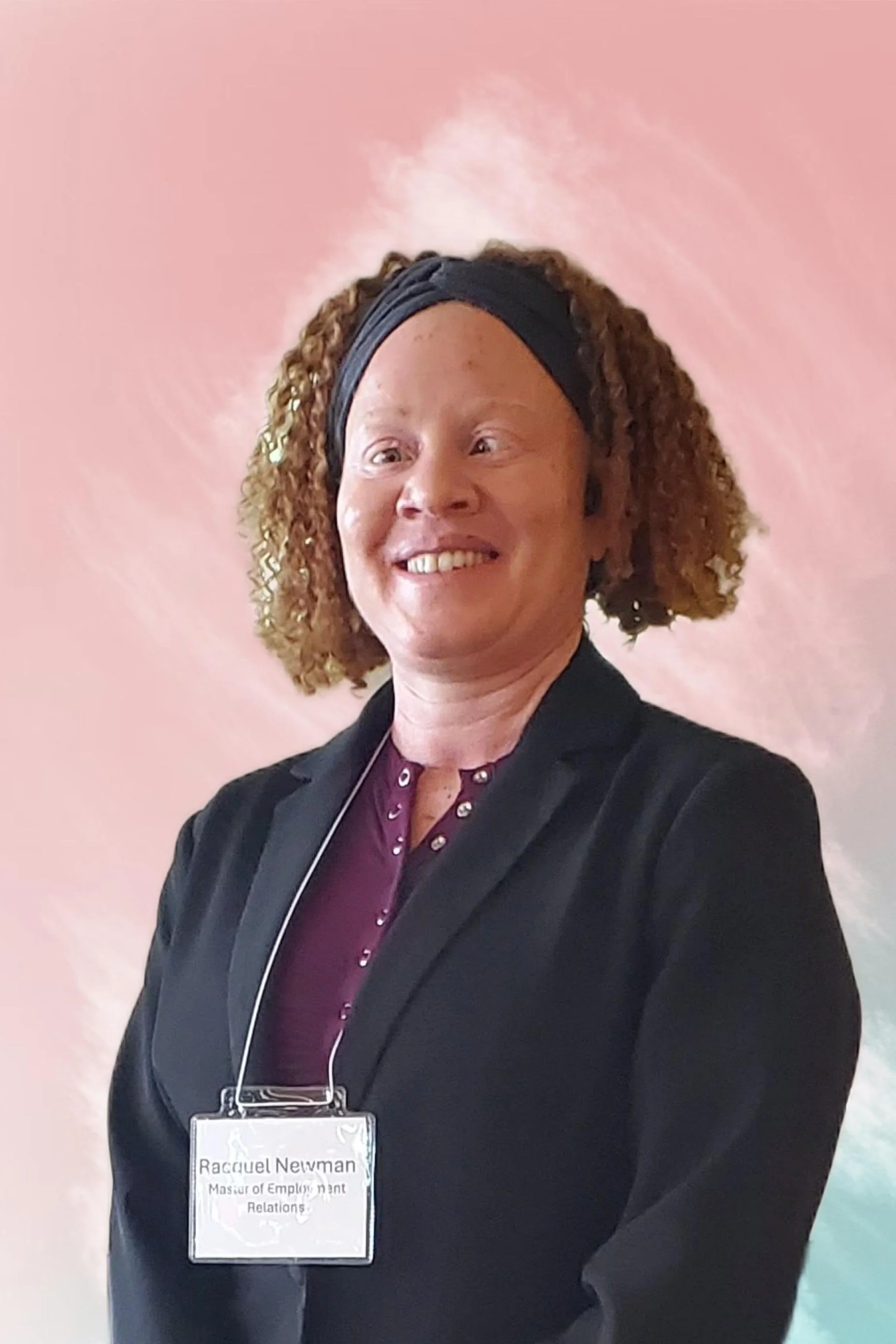
Irfanul Islam is a Master of Education student (GSU)
Irfanul Islam is a Master of Education student, and according to his campaign profile, he currently serves as an Aldrich Conference and Academic Coordinator for GSU.
Islam says that in his experience with GSU, he has “developed a deep understanding of GSU’s structure, operations, and the needs of its members.”
His priorities include increased transparency, communication and record-keeping. Islam says he will make meeting minutes, reports and updates accessible to members.
Sadie Mees
Sadie Mees is a master’s student in the Department of Anthropology (GSU)
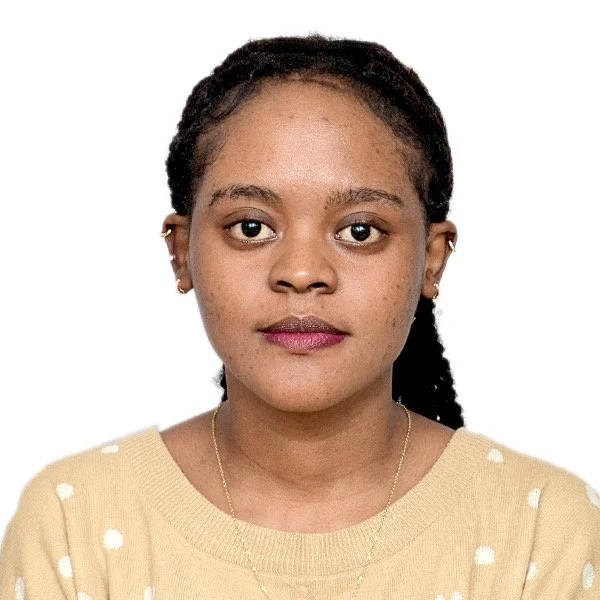
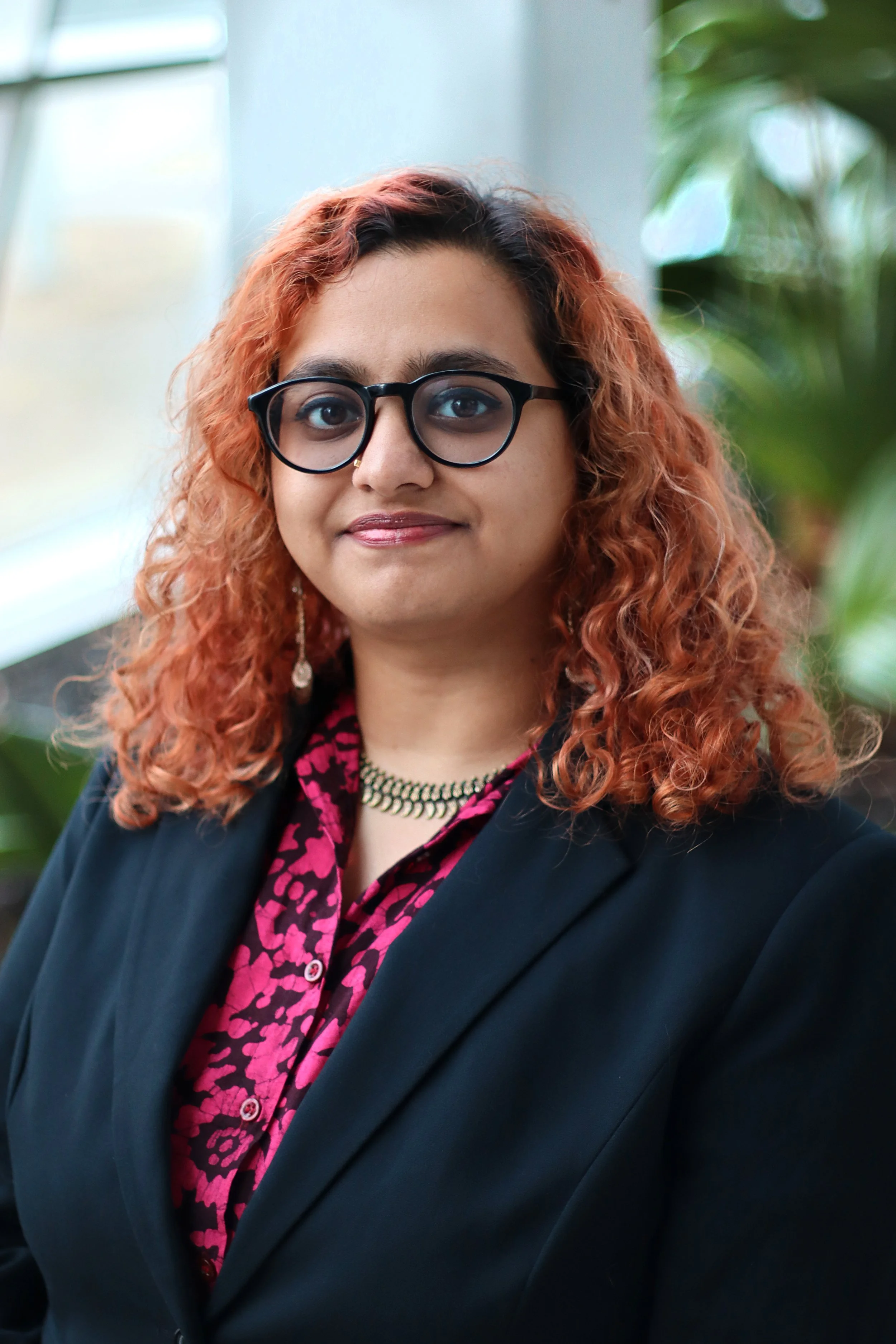
Sadie Mees is a master’s student in the Department of Anthropology and says her experience in media relations and public speaking will help her carry out the duties of the position.
On her campaign profile, Mees says she has had difficulty receiving support from the graduate union in the past and would “like to help push the GSU in the right direction, towards a more positive and active role within the University community.“
Mees says she would engage with graduate students to take feedback and “carry out direct actions to have those needs met.“
Kunjankumar Rakeshkumar Varia
Kunjankumar Rakeshkumar Varia is a master’s student in oil and gas engineering (GSU)
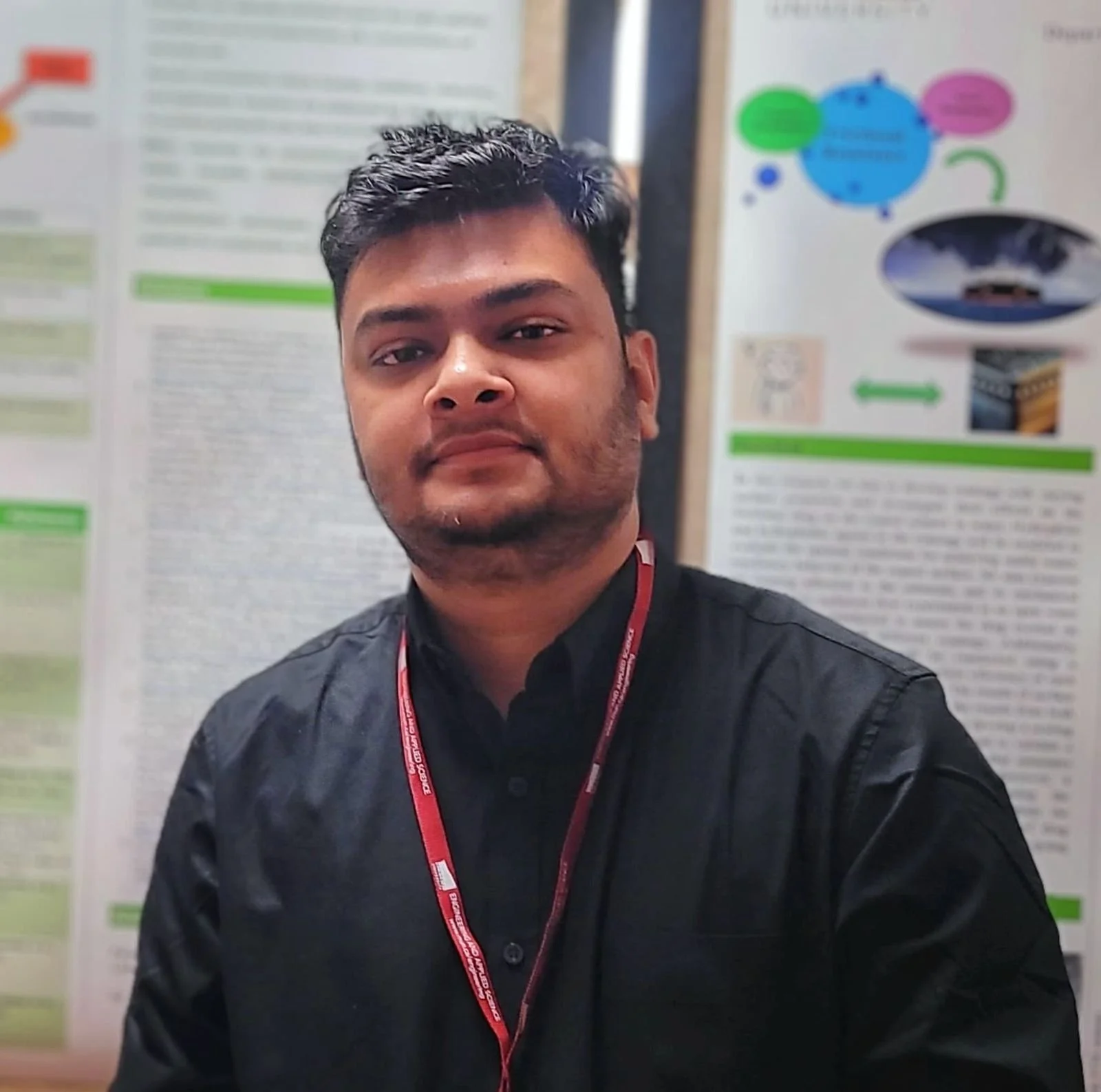
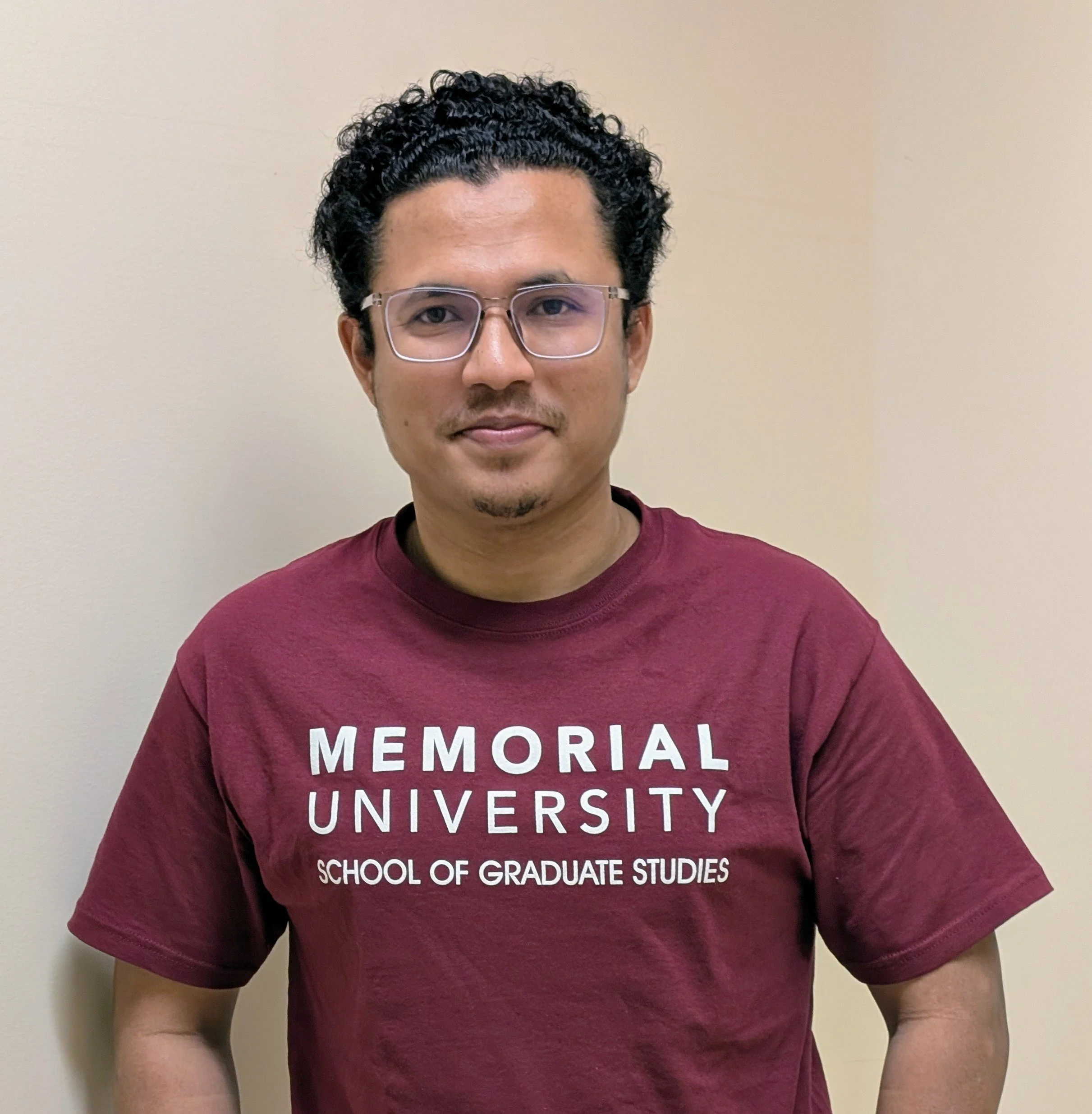
Kunjankumar Rakeshkumar Varia is a graduate student in oil and gas. He says his job experience has given him interpersonal skills and problem-solving abilities that will help him in the position.
According to his campaign profile, Varia says he would like to increase transparency, community and advocacy. “This role is not about speaking for you but about creating platforms where your voices are heard.”
Varia says he can elevate the union’s outreach with his “expertise in social media strategy.”
The full campaign profiles can be viewed on the GSU Website.
An election forum will be held tomorrow at 4pm online.
Memorial University is preparing to launch its next contribution to research from with the development of MUNStar-1, an Earth observation satellite. Spearheaded by the Faculty of Engineering and Applied Science and supported by C-CORE, this student-led initiative is not only a remarkable technological undertaking but also a significant opportunity to address pressing global challenges like climate change.
This project builds on the success of Killick-1, another satellite developed under the Canadian Space Agency’s CUBICS program, which was deployed from the International Space Station earlier this year. MUNStar-1, a CubeSat equipped with a GNSS Reflectometry payload, will use reflected GPS signals as passive radar to monitor key ocean parameters. These include wave activity, wind patterns, sea ice, and potential oil spills—critical data for understanding and mitigating the effects of climate change.
Once launched into a sun-synchronous orbit or one similar to the International Space Station, MUNStar-1 will continue Newfoundland and Labrador’s storied connection to the ocean, but this time, from the vantage point of space.
The Killick-1’s successful launch from the ISS. View the full live stream here
Provincial and government funding
The project has attracted significant investment, with the Government of NL recently announcing $350,000 in funding through the Research Innovation Fund. This is in addition to $350,000 from the Canadian Space Agency and $100,000 from C-CORE.
Industry minister Andrew Parsons, emphasized the transformative potential of this initiative. “Through this project, Memorial’s students will have the unparalleled experience of building a device destined for outer space.
“MUNStar-1 will not only enhance Earth observation science but also train the next generation of highly qualified professionals who will drive our province’s growing tech sector.”
The MUNStar-1 project stands as a testament to the creativity and ambition of Memorial’s engineering students, who have risen to the challenge of designing and building a device of this scale and complexity. Undergraduates and graduate students from electrical, mechanical, and mechatronics engineering programs are working collaboratively on the satellite, gaining hands-on expertise in cutting-edge space systems and Earth observation technologies.
C-CORE’s Vice-President of Remote Sensing, Desmond Power, underscored the dual value of the initiative. “This project not only advances climate research but also allows local companies to hire engineers who are already skilled in addressing industry-specific challenges,” he said.
Dr. Weimin Huang, a professor in Memorial’s Faculty of Engineering and Applied Science, highlighted the broader implications. “This funding strengthens Memorial’s research portfolio, enabling us to tackle climate change issues of critical importance to the province and beyond.”
It’s been a great start to the Volleyball season for the MUN Sea-Hawks, as they have won three of their first four games. Sea-hawks are already up from from last season, as MUN finished in last place in the Atlantic University Sport league the season prior with a W/L record of 0-20.
Memorial opened their season in late October against the University of Moncton Aigles Bleus. Sea-hawks put out a great effort against Moncton, they won twice against them in the opening 2-game series.
Game one of the series was a thrilling 3-2 win for the Sea-Hawks. They won a tight first set 25-18, then dropped the next two sets to go down 2-1. The Sea-Hawks persevered, they won a close fourth set and edged out Moncton 19-17 in the penultimate fifth set. The second game was much smoother for MUN, they swept Moncton 3-0 in a very solid showing from the Sea-Hawks.
Memorial defeated Moncton 3-0, start their season with a W/L record of 2-0. (Loclynn Smith)
After a perfect start to their season, the Sea-Hawks headed to Wolfville to face off against defending AUS champions, the Acadia Axewomen.
Memorial lost the first of this two game series, dropping a very tightly contested game 3-2. This was a very back-and-forth game, with each team trading sets, ultimately Acadia got the better of them in the fifth set, handing Memorial their first loss of the season. The second game of this series, the Sea-Hawks bounced back and won another very close game 3-2. This was identical to the first game, as both teams once again traded sets, and needed a fifth and deciding set to determine the outcome of this game, which ultimately saw Memorial win a close one 15-13, improving their record to 3-1.
The Sea-Hawks then returned home, where they faced off against powerhouse Dalhousie Tigers, where they pulled off a very respectable two-game split.
In the first game of this two-game set, Memorial lost 3-1. After winning a close first set 25-22, MUN dropped the following three sets, with Dalhouie’s offense being too overwhelming for Memorial. The Sea-Hawks bounced back the next day, winning a back and forth game 3-2, including the fifth and final set 15-9.
Memorial defeats undefeated Dalhousie 3-2 in a thrilling match. (Udantha Chandraratne)
This gave the Sea-Hawks a 4-2 record at the start of their road trip last weekend against Saint Mary’s, where they unfortunately dropped both games of this series.
In the first game, MUN won a long first set 30-28, but unfortunately dropped the rest of the sets, losing 3-1. The second game was also very similar, the Sea-Hawks won a long first set 30-28, then not being able to contain the Saint Mary’s offense, lost three sets in a row and lost the game 3-1.
That takes us to this weekend, where the Memorial Sea Hawks hold a 4-4 W/L record, and sit third in the AUS. Their next games are Friday, November 29th at 7:00 pm, and Saturday, November 30th at 1:00 pm at the Field House against the University of New Brunswick Reds. The Reds have a W/L record of 3-5 and sit fifth in the AUS.
That will be the final Sea-Hawks volleyball game until January 2025, giving them a well deserved break.
It is essential for students without prior experience in their field to gain practical experience as a working professional in a more guided and controlled environment prior to graduation.
According to Memorial University’s Bachelor’s of Social Work (BSW) Field Education Manual field placements are “an applied form of teaching and learning in which students have the opportunity to experience themselves as developing professional social workers in a supervised practice setting.”
This is completely reasonable and beneficial for any future working professional. What is not beneficial is that the majority of Social Work field placements are unpaid and actually cost students money.
Reform is needed in organizations that accept social work students to ensure they are fairly compensated, and within the University to lower tuition rates for those completing field practicums to help to ease the financial burden of unpaid work.
Since many of these organizations depend on provincial and federal funding, given their mostly non-profit nature, there should be a targeted effort by the government to allocate specific funds for student placements. Doing so would not only reduce financial strain on students but also address the demand for services in communities that lack the necessary resources.
Financial impacts
“Students are required to register for the field practicum courses as they would any other course in the BSW program. BSW Field Practicum Courses: SCWK 3300 is the first BSW field practicum; SCWK 4302 is the second BSW field practicum. Both practica include 350 hours of field education with direct and indirect social work practice opportunities and field instruction.” (BSW Field Education Manual, 2022)
We reached out to Cheryl Mallard, the Manager of Field Education at the School of Social Work at Memorial University, to clarify why tuition costs remain the same during field placements, even though students are working rather than attending traditional classes. She explained:
“A social work field practicum is considered a course, not a work term. In fact, each practicum is equivalent to four courses. Students pay tuition accordingly, as the primary focus of the practicum is on the student’s learning.”
While it’s understandable that the primary focus is on learning, the tuition costs raise questions. Field placements inherently involve real work, as that’s how students gain practical experience. One student in a current placement shared their tuition costs—$3659.99—which covers four days a week in the field and a single 3-hour class at Memorial.
Normally, tuition at MUN covers materials, instruction, and campus resources—to name a few. Why, then, are students charged the same rates when they’re only on campus for their one 3-hour class? A fairer approach might be to maintain the course structure for financial aid eligibility while adjusting tuition to better reflect the nature of field placements. This adjustment would help students manage their finances while conducting these essential placements.
At a time when the field is struggling to retain essential workers for vulnerable populations—some even calling it a crisis—this kind of funding, paired with reduced tuition, would benefit everyone involved.
According to the Job Bank, Government of Canada, social workers earn hourly wages ranging from $24.04 to $48.00, with a median wage of $37.00. If a student were paid at the minimum wage, which is $15.60 in Newfoundland, a much lower figure than the low end of the scale, for 700 hours of work, they would gross $10,920. This could go a long way for a struggling student.
While it’s reasonable to suggest that students might be compensated at a lower rate because they have not yet completed their degree, the focus should be on determining what constitutes fair compensation for their work, rather than questioning why they aren’t being compensated at all.
Perspectives from the field
We spoke with Joanne Turner, a Social Worker with more than 18 years experience both locally and internationally serving at-risk youth.
“We lose a lot of potential good people in the field because students are having realistic conversations with themselves and their peers about what they can and cannot afford to do. The economic realities are dictating the direction they take, especially in a time of such instability,” said Turner.
“There’s no bandwidth to follow what you’re passionate about if you’re struggling to make ends meet. Even 10 years ago, there was more flexibility, but now the economic landscape is too sharp. People can’t afford to put themselves at risk. How do you manage?”
Josh Poirier and Andrew Moulton are two social work students at MUN in a field placement. (Brandon Hinton)
This is what Josh Poirier and Andrew Moulton, two social work students currently enrolled in their first field placement in a prominent youth serving organization in St. John’s had to say:
Q:How has participating in an unpaid placement affected you financially? Do you feel the cost of living and additional expenses (like transportation) have been a challenge while managing your placement?
Josh: It’s stressful, but I was fortunate enough to save a lot during the summer. I rely a lot on those savings. If I was required to do a longer placement, or if my situation were to change, I don’t think I’d be able to be in the program at all.
Andrew: I rely on student loans and not a lot has changed. I have a budget but it’s very, very tight. Everything right now is stable, but my budget is set up to barely work and that’s if everything goes perfect.
Q:Do you feel that the lack of financial compensation affects the way you view the profession or your enthusiasm to work in the field?
Josh: “100%. Although, it’s well known that most people don’t get into this field for the money. It’s rewarding on another level. It’s like—I know I want to do this, but the older I get the more I think about money. You start thinking about the realities and it’s hard to ignore. Although we’re in this line of work for selfless reasons, you have to think about yourself, too.”
Andrew: In this field there’s a big emphasis on burnout and self-care, but it’s ridiculous to think that finances do not impact your level of self-care.
When asked about the response from the school regarding support for paid placements:
Andrew: “The School of Social Work has been very supportive. They ‘get it’, you know? Most of them are former social workers themselves.”
Josh: “At first, there was a petition we signed advocating for change, but after a while I think the reality set in that this is just how it is. Frustration isn’t for the faculty but more about rigid bureaucracy. We know there’s a need for workers in rural Newfoundland, and if you want people to work in these communities, they need to be compensated. If they had to tell me there was a paid placement in a rural community, I would have been on board right away to serve that need. I’d even do it for minimum wage.”
This mirrors the response from Cheryl Mallard, manager of Field Education on changes she would like to see:
“Associated costs and lack of housing are real barriers for students who may like to travel to rural NL. More bursaries and scholarships to support these types of opportunities may be helpful.”
It seems that whenever you speak to anyone connected to the field of Social Work—whether it’s students, current practitioners, or educators—the response is unanimous: fair compensation is essential to attract and retain passionate people.
Cheryl Mallard is the Manager of Field Education for the School of Social Work (MUN)
We asked Mallard how feasible she thinks it is to implement paid field placements within the current structure of the program:
“I do not think it is feasible at all in the current climate. We admit up to 100 BSW students annually to the BSW 1st and 2nd degree programs. On average 35-40% of BSW students obtain a paid practicum in a given semester. Our school relies heavily on the not for profit and community-based sector to provide valuable practicum learning opportunities for our students,” said Mallard.
“Most of these agencies would not be able to continue to participate in social work field education if paid practicum was a requirement. I also fear students would be delayed in completing their degree if this was a requirement as there is only so much capacity in the provincial social work practice community and less capacity to offer paid practicums.”
Placements that pay
In the 2022 BSW Field Education Manual it states, “Students completing a BSW practicum with the Government of NL are paid for the 350 required hours of the practicum, subject to current government policy. Other agencies or jurisdictions also may pay students for the 350 required hours of the practicum (or any portion thereof), subject to agency policies.” (2.5.3 Paid Placement, Page 27).
From Cheryl Mallard, manager of Field Education: “At the present time, paid practica are primarily with the Government of NL (direct line departments as well as NL Housing, Office of the Child & Youth Advocate, Office of the Citizen’s Representative, Office of the Senior’s Advocate) and some departments with the Government of Canada as per their respective policies regarding student placements, internships, and work terms.”
“The school, vis a vis the field education coordinators, is not involved in student employment contracts and compensation; this is between the agency and the student once has student has interviewed with the agency and offered a practicum subject to meeting the department/agency’s hiring requirements.”
It’s widely known among aspiring social workers that these roles within the government are often the only placements where they can earn a wage. As a result, many students take on these positions not because they’re passionate about these sectors, but simply because they need the income. Given the broad scope of social work, many students don’t intend to specialize there.
So, what does this mean for the quality of experience for both the students and the agencies if students are only choosing these placements because they offer compensation? Introducing other placements that offer payment for services will increase both the student and professional experience as well as the quality of service provided.
A Case for Compensation
Why should Social Work Students receive compensation? Here is a list of just five reasons:
Financial Burden: Unpaid placements can create significant financial stress for Students, especially those who are already juggling tuition fees, living expenses, and possibly other debts. Additionally, not all students have the financial means to complete unpaid placements, which can limit access to the profession for those from lower-income backgrounds. Compensation can reduce the need for students to work additional jobs, allowing them to focus more on their field placement and academic responsibilities.
Professional Recognition: Paying people for their work acknowledges the value and importance of their contributions to the agencies and clients they serve. This can lead to a greater sense of responsibility and investment in the work, potentially improving the quality of care provided and the learning experience.
Consistency with Other Fields: Many other professional fields offer paid internships or placements, making it reasonable to expect similar compensation in Social Work.
Living Expenses: Students often have to relocate or commute for their placements, incurring additional living or travel expenses that can be mitigated by receiving payment.
Reducing Exploitation: Ensuring students are paid helps prevent the exploitation of their labor, ensuring they are treated as valuable members of the workforce rather than free labor.
Final thoughts
For a field that serves the most vulnerable in the city and is experiencing a shortage that some are calling a crisis, it is paramount to attract and compensate social workers accordingly. Agencies considering social work students should be prepared to compensate them properly, or the government should provide subsidies to these students and working professionals.
If not at a full wage, because they are not fully qualified and the position requires oversight from both the university and the hosting organization, at the very least a partial wage aligned with their role and responsibilities should be considered. In the meantime, Memorial should also consider lowering tuition costs for those entering their field placements to help offset the pressure of rising costs of living.
In Newfoundland, despite the rain, drizzle, and fog, biking continues to be a viable mode of transportation. For most of St. John’s, according to Google Maps, after driving, biking is the second fastest option to get to campus. While it is also a good option, taking the bus can mean long wait times to board the bus or even for transfers. Riding a bike to the university can cut your 48-minute walk or 39-minute bus ride down to 15 minutes.
If you usually drive, there are plenty of upsides to biking instead. No need to search for a parking spot at MUN, as there is an abundance of free bike racks around campus, including some in indoor spaces. MUN also has a few bike lockers at two locations on the main campus and one on the Signal Hill campus. Furthermore, biking saves money, as there is no need to buy gas, or carry out expensive repairs. The only repair with biking is regular tune-ups which are a lot cheaper than on a car.
Awkward bike racks at the Health Sciences building. (Otis Crandell)
Memorial University needs to embrace, endorse and promote biking
To make biking more attractive at MUN, more initiatives are needed. Encouraging biking on campus means less demand on the limited car parking spaces. Bikes also provide a suitable alternative for many students whose accommodations are too far away to walk to school but close enough to bike. Promoting biking is promoting an active lifestyle, healthier student and staff will translate to better productivity in general.
Promoting biking at MUN could help new out-of-town students who do not own a car. New arrivals often have to get around town to find a place to rent, shop for household essentials, and sort out administrative matters. Being able to borrow or rent a bike when they are new in town can make settling in a lot easier.
Having access to a bike gives new arrivals the freedom to get around town while learning to navigate the limited bus system in St. John’s. Overall, promoting biking at Memorial University will be a win for everyone, on many levels. A few pro-bike initiatives have popped up at the university such as last summer including e-bike rentals.
The e-bikes cost $80 for 3 hours and had to be picked up and dropped off at the company office. While it is great to get more people familiar with other forms of transportation, the e-bike rentals were out of budget for most students. Other projects included new bike path on Elizabeth Avenue, bike lockers available for rental from the MUN Sustainability office, and MUN Bike Hub student group.
Meeting up for a group ride. (Otis Crandell)
Misconceptions about biking as a primary means of transportation
Barriers that prevent biking from becoming a primary means of transportation include misconceptions such as ‘You can’t ride in the cold/rain’, ‘You can’t ride all year round’, ‘St. John’s has too many hills. I’m not in good enough shape for riding up hills’, ‘Bikes are expensive’, ‘Cycling is not safe.’
If we dig deeper, we will discover that these misconceptions can easily be dispelled, using simple workarounds. For instance, you can ride in the cold and/or rain with proper rain gear, gloves, and warmer helmet and biking shoes. Biking over a hill is doable, using the right low gears, which is independent on your fitness level. As to the misconception of bikes being too inexpensive, bikes come in a spectrum of bike price ranges. It is possible to get an affordable bike to match your current financial state.
While there are risks to biking as with other things, using bike lanes and following bike safety tips such as using a helmet, and driving defensively improve the safety of biking [see also].
The universities and student unions provide an indoor space and funding for bike centres. Most of these university bike centres provide free use of tools and free used bike parts. Parts that have to be changed more often like tubes, cables and tires are sold at cost. These centres also offer technical experience and assistance for students to tune-up or repair their bikes.
Bike centres provide a place for organising bike related events such as basic maintenance workshops, advanced bicycle repair workshops and beginner biking classes. Bike centres are usually run by volunteers and typically receive frequent bike donations. The donated bikes are lent out, sold, or disassembled for spare parts.
In the past, MUN had a bike centre which operated between 1993 and 2003, and from 2007 to 2020. The bike centre was slowly downsized and moved from an indoor space in the Engineering building, to a weather-exposed, and unlit area of a parking garage. The last bike centre was shut down during the pandemic and the associated bikes and equipment given away. The MUN bike centre offered technical assistance and access to tools, as well as new and used bike parts. They also rented bikes to students at a low cost of $20 per calendar year.
Location of the previous bike centre at MUN, now a sanctuary for pigeons. (Photo by Otis Crandell)Location of the previous bike centre at MUN. (Photo by Otis Crandell)
Would you like MUN to have a bike centre again?
A small group of students – the MUN Bike Hub – are working on restarting the bike centre at MUN and are currently seeking volunteers with any skills that might be of use. Skills required in volunteers include experience with bikes, administration, logistics, marketing, social media, or grant writing.
Other skills that may be useful are also welcome. Currently, one of the things the MUN Bike Hub needs is for supporters to petition the university for a space to run the program. To make biking more accessible at MUN, consider letting your student union know that you would like and benefit from a bike centre on campus and that you’d like them to push for something like this. Also, consider contacting the university senate and lobbying for their input in approving a bike centre on campus and how this could impact you, the university community and the environment.
To get involved, and make biking more accessible at MUN, contact the MUN Bike Hub group at MUNBikeHub@gmail.com.
Final-year students at the Centre for Nursing Studies campus in St. John’s are concerned about their future job prospects, so far, three out of 121 have received job offers to work upon graduation. Some students say NL Health Services has not done enough to communicate with soon-to-be grads.
“It’s not very often that you can see in unison as a full class, absolutely scared, frustrated, horrified about what their future is entailing, especially after four years of one of the hardest programs,” said Michael Ricketts, a final-year student at the Centre for Nursing Studies (CNS) St. John’s campus.
Ricketts completed his clinical placement in Goose Bay, and within a month had an offer with Labrador-Grenfell. He is one of the three final-year students at CNS St. John’s campus that have been offered positions with NL Health Services.
The other 118 students in graduating next year are waiting to see if they will be offered a permanent position. Last Friday, the Registered Nurses Union (RNU) raised the alarm after its Vice President Kim Parsons visited the campus.
RNU president Yvette Coffey says that NL Health Services needs to do more to recruit local student nurses, and it risks losing them to other provinces with more aggressive recruitment, and better offers.
“Why are we not recruiting our own nursing students here in Newfoundland and Labrador? We only put out a little over 200 a year. We have over 600 vacancies. Why will we not be offering every single one of them a permanent full-time position?” said Coffey.
Last Tuesday, vice-president of human resources for NLHS Debbie Molloy and the provincial Minister of Health John Hogan held a press conference at the House of Assembly. Molloy said that 90 interviews with nursing students have been conducted so far, and that offers will be forthcoming.
“If there’s been a misunderstanding I just want to be very clear that we do have a position available for every graduate in 2025.”
Minister Hogan said he wanted to assure the public that the provincial government is everything it can to get nursing graduates working in the province and that they are “ahead of schedule.”
“The positions will be start to be offered in the more a higher number of frequency in December or January. So we’re not December, we’re not January yet. It takes a little bit of time, as you know, to do the interviews, to talk to the nurses,” said Hogan.
Michael Ricketts, a final-year nursing student is one of 3 final-year students at CNS that have been offered positions with NLHS.
Nursing students say there has not been enough communication
Final-year nursing student Rebecca Penney says she has yet to be interviewed or receive a job offer. She says that NL Health Services “should be pushing a bit harder” to recruit graduating nursing students.
“I feel as though we should be given the information to set our expectations appropriately … if we had some consistency among what we were being told, we would be able to set our expectations well in terms of where we can work and what kind of jobs are available,” said Penney.
Ricketts says that although he has seen pictures of visits to nursing classes from government officials, none have visited with the 121 nursing students that are graduating this year.
According to RNU President Yvette Coffey this is not the first year that nursing students have expressed a lack of communication from NL Health Services on job positions. “Every time we go in every year they tell us, ‘oh no one’s really been in talking to us.’“
“It’s after I go to the media all of a sudden everybody’s in there talking to them. I shouldn’t have to be in the media to get recruiters into those nursing classes,” said Coffey.
When asked about communications to the students at the CNS St. John’s Campus, VP of human resources Debbie Molloy said that NLHS did a virtual session for all campuses on October 7th, and that regular emails are sent to students. “We’ll also be in there for a meet and greet,” she said.
“I believe the minister was actually in there as well in September, meeting with some of the students who will be graduating,” said Molloy.
When asked for details of the September visit via email, Department of Health and Community Services spokesperson Tina Coffey said that Minister Hogan “brought virtual greetings” to first-year nursing students during orientation.
Job security a concern for students
Ricketts also said that while many of 2024 grads received positions, many of those positions are not permanent.
“Its a bit frustrating knowing … my peers that I went to school with for four years don’t have any job security,” said Ricketts.
According to an access to information request, 54% of the 204 Bachelor of Nursing 2024 graduates hired by NL Health Services were for temporary positions, all of which were in the Eastern-Urban Zone.
Use of agency nurses worries students
RNU released a press release that said a student informed them an NLHS manager in the Central Zone said that “he prefers hiring private agency nurses because they are easier to make happy” and “admitted to not posting available positions at all, as it is simpler for him to bring in agency nurses.”
The Muse could not independently verify this claim. When asked at a press conference VP of HR for NLHS Debbie Molloy said they are “very sorry to hear that that happened and we’ve launched an investigation so that we can determine what exactly was said and then there will be appropriate action that will be taken after that.”
When nursing students Rebecca Penney and Michael Ricketts heard this anecdote from their classmate, they were appalled.
“It’s honestly baffling to hear things like that, especially as someone who has completed her nursing degree in the province, plans to stay in the province … that is a huge slap in the face,” said Penney.
According to an access to information request, as of March 18th, there are 340 private agency nurses working in the province. Molloy said that NLHS is committed to reducing the number of agency nurses and by 2026 plans to have the numbers at pre-pandemic levels.
Americans head to the polls today to elect their next president. But what do MUN students think about it? We asked 100 students for their thoughts on the US presidential election.
The poll was conducted between 18 and 24 September in the late morning and early afternoon in the University Centre, Science Building, Queen Elizabeth II Library, and Arts and Administration Building.
While this poll may show a tendency among students towards a certain political direction, there are many confounding variables such as time and place, willingness to participate or field of study that may have impacted the results of this poll. This is an informal poll rather than a scientific one.
Election has “earth shattering dimensions,” says MUN prof
Political science professor Dr. Scott Matthews shared his thoughts on this election. What is obvious to him is that this election has “earth shattering dimensions” because of the recent Supreme Court ruling on presidential immunity, the position of President has never been more powerful.
Dr. Scott Matthews is a professor at MUNL’s department of political science who specializes in American elections and voting behaviour (Gazette)
This situation then creates a lot of uncertainty in how this presidential power will be exercised. Yet at the same time, Dr. Matthews says that despite this recent Supreme Court proceeding, it’s important to note the limited jurisdiction of the presidency.
Given the partisan division in congress, presidents in recent years have not been able to create many new laws. Dr. Matthews notes of “bursts of policy” such as the Affordable Care Act under Obama, the major tax cuts under Trump, and the infrastructure policies under Biden. Matthews says that Presidents are nonetheless limited through the tendency of narrow majorities in a deeply divided political context.
Dr. Matthews says that while the results of this poll reflect most students contacted are on “the progressive end of American politics”, it also shows a lot of apathy. He says to keep in mind that people may overstate how closely they actually pay attention to US politics.
The MUN Politics and Law Society is hosting a US Election watch party tonight from 8:30-1:30 at the Breezeway.