Men listen to men all the time. Our playlists are full of masculine performers and bands that express emotions and stories from a man’s perspective.
This standardized point of view in songs is more evident in gendered languages in which social gender changes the way in which words are written and rhymes are crafted, creating a repertoire that sticks to the lived experience and utterance of a man.
This is not a gratuitous situation but the result of the patriarchal culture in music. The open dominance of men in worldwide music charts and specialized journalism shows a terrible imbalance in terms of representation: only 7 out of the first 20 greatest artists of all time in a list curated by Billboard are women.
What is worse, in those first 20 places, all performers are from the English-speaking sphere, and a man is named twice: Paul McCartney, as part of The Beatles and as a solo singer. If that happens in mere terms of representation, what does it mean in terms of power dynamics in music?
Men dominate music industry and the social life of music around men is the standard, leaving few spaces for women, gender diverse people and men who does not adhere to conventions on cisgender and heterosexual expectations.
Homosociality is common in men’s social interactions and reinforces validation practices in which the masculine perspective is sought; this means men tend to socialize and listen to men more on a daily basis rather than interacting or listening to women.
Mainly cishet men have men as their heroes and role models inside and outside music, but we rarely include women in those high places of admiration, or we place them in those spaces only if we have a real-life connection with them.
Patriarchal culture serves as a scaffolding to translate that masculine homosociality to the general audience’s taste in music, favouring men and their bands in our ears.
Regarding that panorama, we can transform our listening practices to include women artists on the one hand and musical expressions and genres from all around the world on the other hand to grasp a wider insight into the human diversity in music.
When we decenter men while listening to songs and music, the possibilities of understanding reality, emotions, aesthetics, and lived experiences multiply and thrive.
Other worlds are opened before us and get closer to our understanding through the performance of a woman: Respect by Aretha Franklin could not be understood and felt the same way when sung by a white man, nor could Macorina by Chavela Vargas be comprehended as a defiance to heteronormativity in a highly sexist environment such as Mexican vernacular music in the 20th century.
If we, men, want to go even a step further, we can ask women about what they hear when listening to music, and, if we pay careful attention, we can discover the same song we listen to at the same time has completely different meanings coded by gendered interactions and lived experiences.
Therefore, men urgently need to listen to women in the music context, and that means listening to them as musicians and composers, as an audience, and, broadly, as equals in the social world we share.
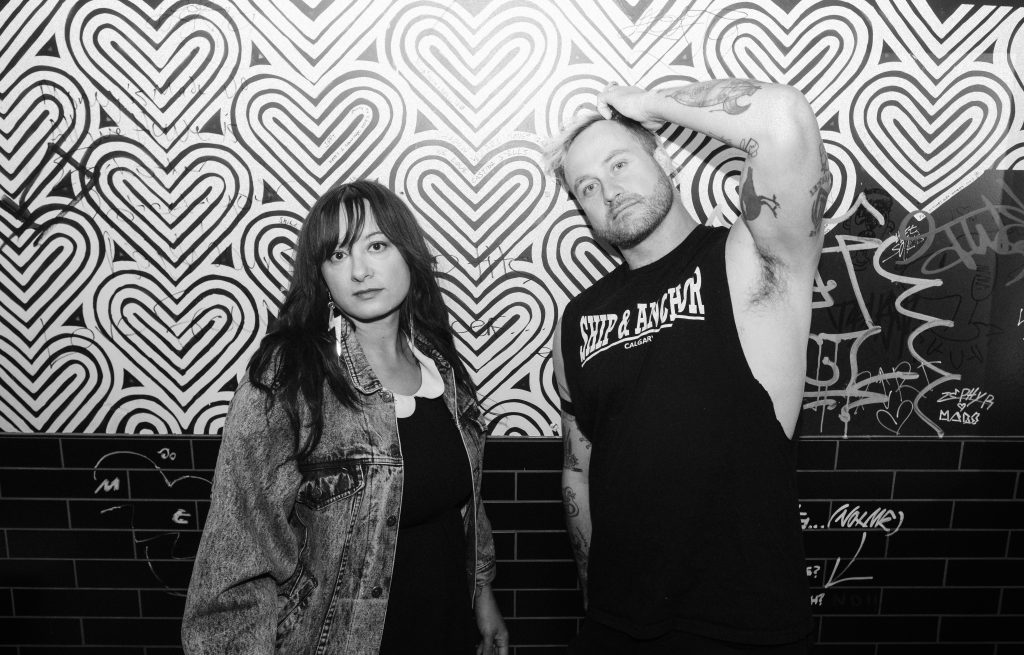
St. John’s alt-rock/punk four-piece Sick Puppy calls themselves “your girlfriend’s favourite band,” but I respectfully disagree — they should be “everyone’s favourite band” instead.
The band just released the first single from their upcoming album NOBODY GETS HURT, to be released in late July.
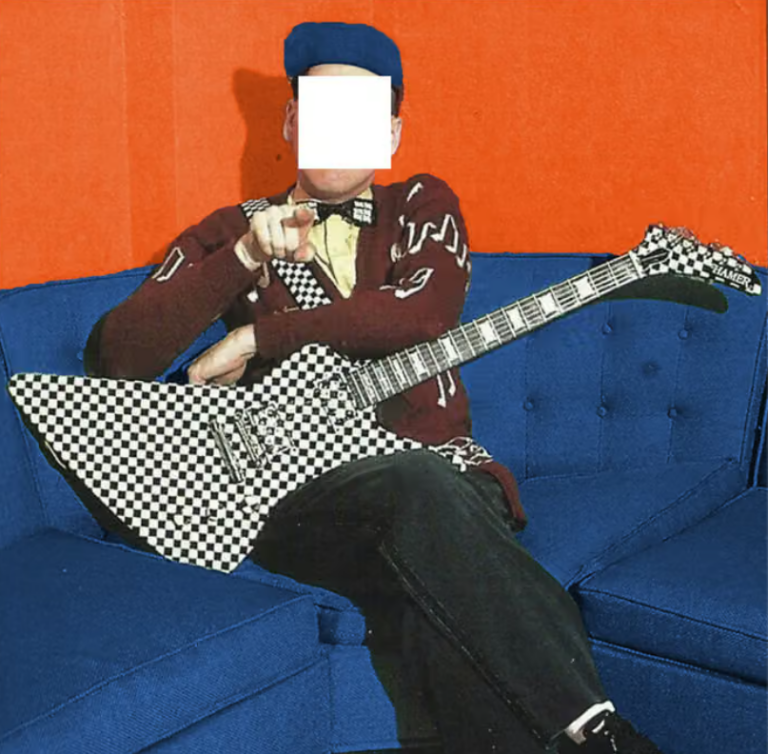
Titled “Rick Nielsen” after the Cheap Trick guitarist, Sick Puppy frequently plays this song at their shows, and it’s now available for your 24/7 listening pleasure.
“Cheap Trick is one of the greatest bands of all time, and Rick Nielsen is kind of a legendary figure for weird, goofy freaks who love writing beautiful, timeless pop songs, something we greatly respect,” drummer Jacob Cherwick tells me.
“Rick is the primary songwriter and creative visionary for that band, yet he never sang lead vocals on any of their songs and always chose to keep himself off of their album covers, instead featuring the more conventionally attractive singer and bassist of the band. He felt his songs would have a better shot at being hits if he were not the face of the band,” Cherwick says. Nielsen’s career decisions function as a driving metaphor for the relationship described in Sick Puppy’s single.
Lead vocalist and songwriter Isobel McKenna is absolutely magnetic. Her lyrics are equal parts honest, cathartic, and catchy. I often find myself looking forward to their shows to hear their song “SURROGATE BOYFRIEND” live because it gets stuck in my head so easily.
Along with bassist Alison Graves, guitarist and steel player Luke Rose and drummer Jacob Cherwick, McKenna truly knows what works, and it shows.
“Rick Nielsen” is referential, name-dropping other bands like Kate Bush, Deftones, Springsteen and Weezer to contextualize and characterize the subject matter of the song.
The song describes feeling lonely and dissociating at a Valentine’s Day party, reminiscing on an undefined relationship that appears one-sided on the speaker’s part. Their incompatibility is inferred through the nods to other bands.
The line “I like crying to Springsteen, but you love jamming to Weezer” is very clever, and also enough to figure out why this person did the speaker wrong.
It’s incredibly vivid, just listening to “Rick Nielsen” feels like you’re there, standing alone in the corner of this Valentine’s Day party with some 80s/90s alt-rock music blaring, just wishing that one person would look over at you, before giving up and leaving early.
The messaging of “Rick Nielsen” is incredibly resonant — yearning for someone to reciprocate your feelings is kind of like being a musician who purposefully takes a backseat.
Like, you aren’t any less great or talented than others, but people (or in this metaphor, a person) don’t often care about supporting figures as much as the leads, even though they’re just as important.
The relationship between a musician and their fans in this way is absolutely similar to the romantic relationship between the two people described in this song. It’s an evocative comparison.
The chorus is catchy and candid, repeating “Oh my god it’s just such a shame / That what we had I can’t even name / I was looking for somebody to blame / Somebody to remember my name.”
One thing I’ve consistently admired about this band is their knack for writing strong build-ups in their songs. The drums are heavy, the guitar licks are delightfully distorted and metallic-sounding.
Nearly every Sick Puppy track I’ve heard culminates into a cathartic, sung-yelled peak with McKenna’s powerful vocals.
Every song has a payoff both figuratively and sonically. Listening to this band just feels good, like letting go of something and being better off for it.
The final popular culture reference comes in the form of a double-meaning lick name-dropping Nielsen, saying “I want you to want me/it’s just like Rick Nielsen said…”
“I Want You To Want Me functions both as a line of internal monologue in the lyrics as well as the title of one of Cheap Trick’s biggest hits, penned by Rick Nielsen himself,” says Cherwick.
Additionally, vocalist McKenna says that she’s “always been a big fan of meta song titles,” citing “One by Metallica” by ihatesex and “I wish I was Stephen Malkmus” by beabadoobee as examples.
“It’s fun to me as a music fan because it’s kind of like a rabbit hole of references to fall into,” she says, “[We’re] always striving for succinct and simple lyrics à la pop but with rock n roll flair and humour, which is very Cheap Trick.”
If “Rick Nielsen” is any indication, it seems as though Sick Puppy’s upcoming record, NOBODY GETS HURT, is going to be more grungey, alt/indie rock-forward than their last locally beloved 2022 EP, HAUNT THE HILL, which has a more hardcore and punk soundscape.
Sick Puppy is a great band to check out if you’re a fan of groups like Mannequin Pussy and Ribbon Skirt, or if you’re an aficionado of some healthy, feminine rage.
They’re headed to play Calgary’s independent music and arts festival, Sled Island, in June, joining the steadily growing catalogue of up-and-coming Newfoundland bands embarking on tours and carving out a well-deserved space for the province within the national alternative music space.
To said aforementioned girlfriends, and everyone else, I implore you to give this fantastic local act a shot, and stay tuned for NOBODY GETS HURT, out July 24.
Come From Away, the 2017 Broadway Musical, is one of the most fascinating phenomena in terms of its impact on Gander’s cultural identity.
The community of Gander and its surrounding areas impacted by the international passengers who made emergency landings in Gander during 9/11—a communal area I refer to in this article as the Gander-scape—had their stories told on the international stage to glowing reviews.
To many, this show is incredible, and I am inclined to agree; the story itself is very powerful, it brings this powerful story to an international audience, and I, like many other locals, appreciate the show’s broadly positive portrayal of Newfoundlanders and island culture.
Stories like these make me and other locals proud to call ourselves Newfoundlanders.
However, I began noticing some patterns, particularly in Gander, which concerned me: advertisements.
From billboards to merchandising, it feels impossible to escape from the Come From Away advertising. Advertisements in and of themselves are not problematic, though some of Come From Away’s promotional material seemingly exist only to inadvertently overshadow the Gander-scape’s broader historical identity.
This is why I believe Come From Away should not be the face of the Gander-scapes cultural identity: The branding of the Gander-scape’s cultural history through the phenomenon of Come From Away obscures the communities broader cultural identity, reshaping how locals and tourists understand community memory, and transforming 9/11 Heritage places into Come From Away places.
The consequences of this phenomenon are prominent through the sudden transformation of personal experience into marketable assets;
Former politician Derm Flynn uses his likeness as a character within Come From Away as a selling-point to exchange the commodity of first-hand experience with money; you can book an appointment to talk with him about 9/11 heritage and Come From Away with an initial payment of 70 dollars.
These lived experiences are shared community memories and are very special to the Gander-scape’s identity, and so I find it deeply uncomfortable to see these sacred pieces of vernacular history become something which can be bought and sold.
Further consequences of this phenomenon exist within how people imagine the Gander-scape’s cultural identity;
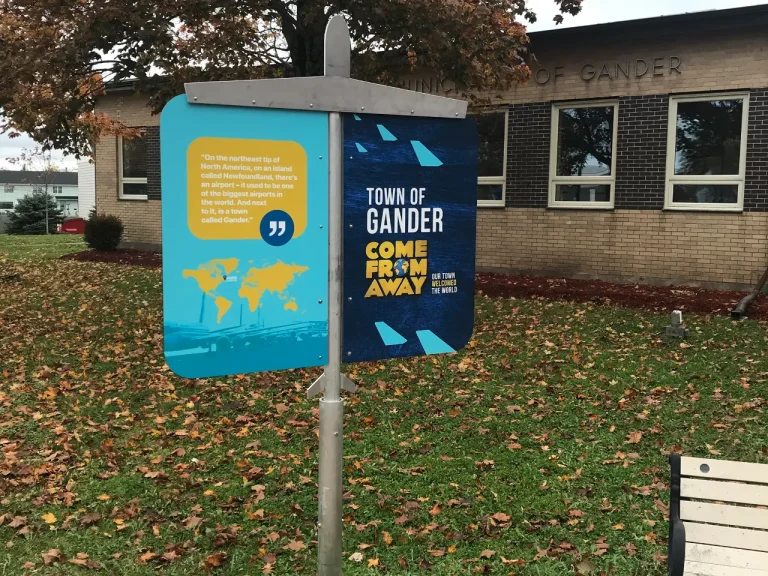
“Come From Away interpretive panels” for instance—tourism advertisements displayed outside of almost every major community centre across Gander—transform the communities schools, public service centres, and museums into tourist attractions.
Children going to Gander Academy, volunteers working at the Fire Rescue building, and tourists going to the North Atlantic Aviation Museum (NAAM) look at the “Come From Away interpretive panels” outside of these buildings and feel a sense of eerie surrealism as Come From Away overshadows the vernacular history associated with these community centres, ultimately altering how we think about cultural identity.
Come From Away has changed the way people learn about local Gander-scape histories.
The NAAM, a museum featuring aviation history dating back to 1935, has its visitors almost exclusively interested in the contents of the 9/11 “Safe Haven” exhibit, which features 9/11 heritage and history alongside Come From Away advertisements and memorabilia.
Reporting from PNI Atlantic News shows a tourism boom at the NAAM following the Come From Away off-Broadway production, highlighting the overlap between Come From Away and tourist education.
While this boom in tourism is beneficiary to local businesses, and while the “Safe Haven” exhibit is undeniably historically significant, the traffic it receives in relation to the rest of the exhibits the NAAM has to offer highlights how the Come From Away phenomenon has flattened how we engage and learn about Gander’s extensive aviation history.
Come From Away as a Broadway production is nearing 10 years of stardom coming March 2027, and is performing in Gander once again for the 25th anniversary of 9/11 remembrance in September 2026; a major milestone in both world history and the local performing arts.
Come From Away belongs within the community as an artistic achievement, and frankly it deserves that right.
However, it’s within the communities schools, museums, and public service centres—places with historically important roles in relation to the community’s 9/11 heritage—that Come From Away’s promotional-saturation becomes more problematic.
Artistic commemoration is not equivalent to historical interpretation within these contexts.
So in conclusion, with regard to Come From Away’s impact on the Gander-scapes cultural geography, and acknowledging that the identity of the communities heritage is transforming into a more marketable narrative, the question must be asked: at what point does remembrance become branding?
I hope that, moving forward, the Gander-scape will begin to reclaim its original and historical cultural identity; an identity based within vernacular history and people’s personal experiences rather than marketing and presentation.
The Gander-scape is first and foremost a 9/11 heritage community, and the face of its cultural identity should reflect those histories directly.
Newfoundland’s premier multidisciplinary independent arts and music festival, Lawnya Vawnya, is back for its sixteenth year with delightfully whimsical Medieval-themed branding and an absolutely stellar lineup of events.
I’ve said it before, and I’ll say it again, the lovely folks at LV HQ promise attendees a ‘good time by the sea,’ and they always deliver.
The festival will take place in St. John’s from June 3-6. Read on for a comprehensive breakdown of the schedule.
Wednesday, June 3
6:30 pm, Majestic Theatre Hill Cafe – Presented by Riddle Fence, see Maria Reva, writer of fiction and operas, and Kubasonics, NL’s Ukrainian/trad folk band at a historic venue on Duckworth.
All ages. Cover $15.
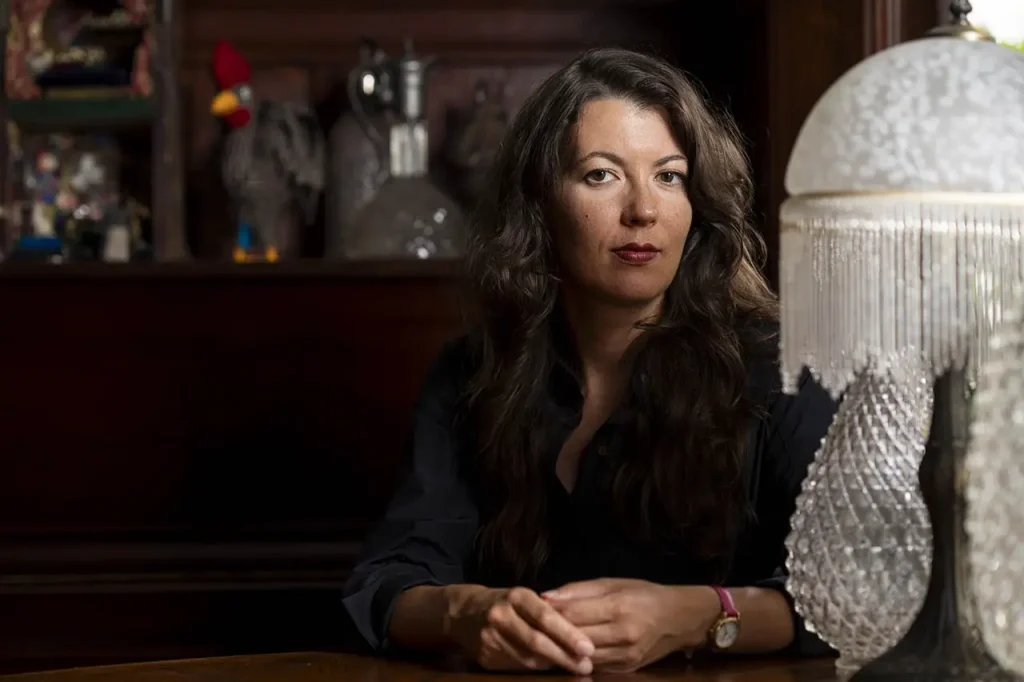
Maria Reva is a Ukrainian-Canadian author of Endlings, long-listed for the prestigious Booker prize (Jimmy Jeong/The Observer)
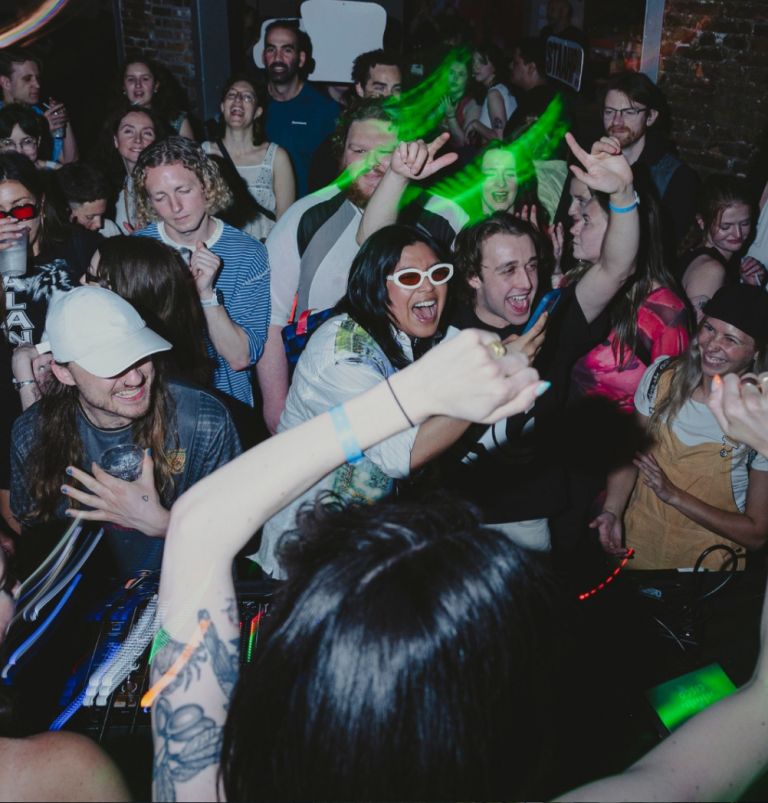
7:30 pm, Gower St. United Church – Hosted by prolific community organizer and dirt n’ worms connoisseur himself, Country Cookin’, LV16 is kicking off its first night with the classic Gower St. Church show. Featuring ‘your girlfriend’s favourite band,’ Sick Puppy (hardcore/NL), the eccentric Shunk (post-punk/dreampop/QC), and Fairweather (power pop/NL) – the latter of the three, which was reviewed in our 75th anniversary print issue!
All ages. Cover $20 or $10 if you’re under 16.
Thursday, June 4
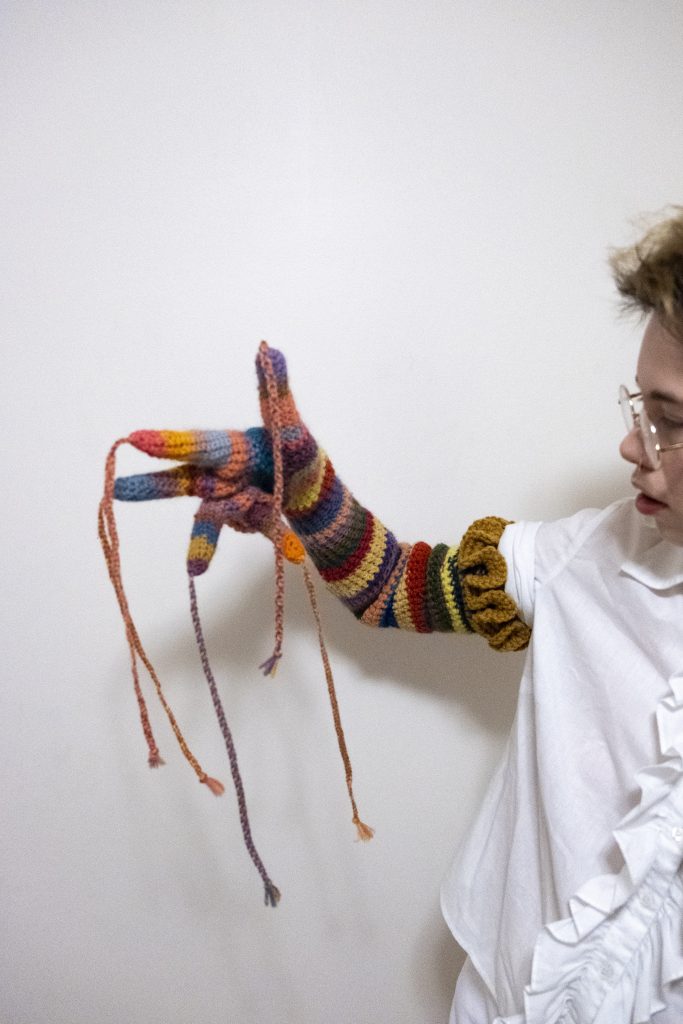
1:30 pm, Eastern Edge – Co-presented by Eastern Edge, attend a ‘Playing Dress Up: Wearable Art and Stage Performance’ workshop. Hosted by Montreal designer and textile artist Jem Woolridge, attendees will learn about “participatory performance and illustrative storytelling” through dress.
6:30 pm, Bannerman Brewing Co. – Thursday evening at the firehouse-turned craft brewery, you can see Montreal-based Polaris Music Prize-nominated alt/hip-hop/indie rock artist JayWood, along with drummer and composer Zaynab Wilson, who won the MusicNL R&B Artist of the Year award in 2025.
19+ cover $15.
Zaynab Wilson is the winner of Music NL’s R&B Artist of the Year award (I heart Market Street)
8:30 pm, The Ship Pub – Later on, walk down Duckworth to The Ship Pub, where LV is presenting another great lineup, hosted by local writer and poet Kevin Hehir.
At this show, see Gamksimoon, a fuzzed-out high-energy rock trio from Gitga’at First Nation sing entirely in the Sm’algya̱x language. Calgary’s alt/pop duo sensation Miesha and The Spanks is on next, followed by some good ol’ fashioned Cable TV, a 70s-inspired post-punk trio from St. John’s.
19+ cover $20.
Gamksimoon is a rock and roll project created by Wil Uks Batsga G̱a̱laaw (website)
Friday, June 5
12 pm, Fred’s Records – Starting at Newfoundland’s oldest record store is Lawnya Vawnya’s annual downtown music crawl. Walk with other attendees to some of St. John’s coolest spots and see a short set from a different featured artist at each one. (Editor’s note: If you’re only able to go to one LV event, let this be it. Really cool, and you get a small taste of multiple featured artists).
This event is free and all ages.
1:30 pm, LSPU Hall Second Space – Are you an artist and/or musician looking to expand your reach and learn skills? Attend this ‘Press for Independent Artists’ panel to learn more about navigating bookings, press, and authenticity as an independent artist.
Featured panellists include Jess Arcand, Matt Horseman, Rachel Weldon, and Jake Thompson, with Corey Steinke moderating.
All ages. Free, but you must RSVP online.
3 pm, LSPU Hall Second Space – Catch an artist talk on ‘Independence, Identity and Music,’ from NARCY, an influential Iraqi hip-hop artist and educator from Montreal.
All ages. Free, but you must RSVP online.
NARCY is featured in GQ’s MIDDLE EAST first ever IRAQ issue. (GQ/Cheb Moha)
4 pm, First Light (Cochrane St) – Hosted by Miesha and the Spanks, ‘JAMZONE’ is a workshop intended to teach you how to jam out!
Ever wanted to be in a band, but playing with others seems daunting? This workshop is a great starting point, no matter your experience level. Some instruments will be available, but attendees are encouraged to bring their own if able.
All ages. Free, but you must RSVP online.
Calgary two-piece Miesha & The Spanks, comprised of mixed-secwépemc singer-songwriter Miesha Louie and drummer Sean Hamilton (Website)
5:30 pm, LSPU Hall Second Space – Co-Presented by local independent film organization, The Nickel, head back to the LSPU for a screening of music videos set to LV artists’ music, created as part of their ‘10 Day Music Video Challenge.’
All ages. Free, but you must RSVP online.
8:30 pm, The Ship Pub – Friday night, see the MusicNL multi-award winning art rock multi-intrumentalist Kelly McMichael, along with New Brunswick’s Polaris Prize nominated prog country act Fiver with Fiver Trois, and Cassia Hardy, the ‘loudish’ ‘90s queercore’ artist from amiskwacîy-waskahikan, Treaty 6.
19+ cover $20.
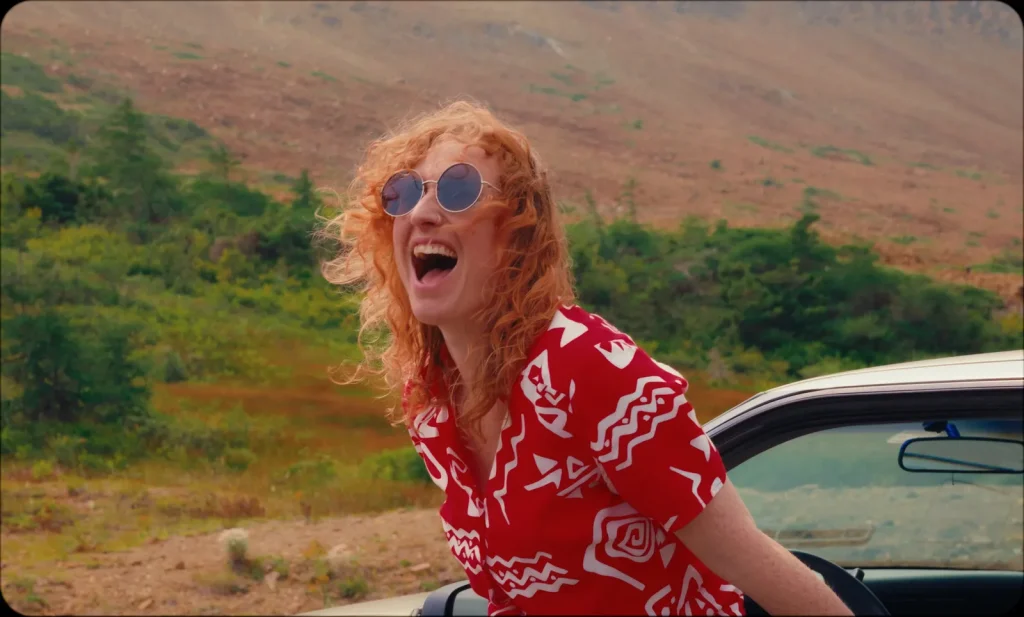
‘Open (Hurts To Have A Heart)’ Music Video still (Paul Aarntzen)
9 pm, The Rockhouse – Montreal-based post-punk band UZU أوزو offers up dark, poetic songs sung in Arabic, along with Iraqi hip-hop sensation NARCY, some Brampton, Ontario hardcore by way of Dear Evangeline, and NL’s own Spanish-language hardcore act, Desperta.
19+ cover $25.
10:30 pm, The S.P.A.C.E. – End off your festival Friday with some late-night electronic dance club beats at the S.P.A.C.E., Eastern Edge’s multi-purpose venue. Here you can see Aniiiiiiiiiiiiiiiiiita and DJ Descision, founding duo of Halifax’s queer DJ group, ‘Nectar Collective.’ Local techno artists QUIN (immersive electronic) and AEXEL (ambient club tracks) will also play a set.
19+ cover $20.
LV15’s Merch & Print Fair / Lee Hurley / The Muse
Saturday, June 6
10 am, First Light (Bannerman) – Hosted by local musician and arts educator Joanna Barker is an ‘LV Little’ event for those with young kids who want to participate in the festival fun.
For families with kids 4 and under, $10 per family.
12 pm, LSPU Hall Second Space – Moderated by Kate Lahey is a panel aptly titled ‘Thank God We’re Surrounded By Water: Making Art in Newfoundland and Labrador.’ Listen to panellists Wanda Nolan, Jenelle Duval, Jenesta Power and William Ping discuss how the island’s geographic isolation lends itself well to creativity.
All ages. Free, but you must RSVP online.
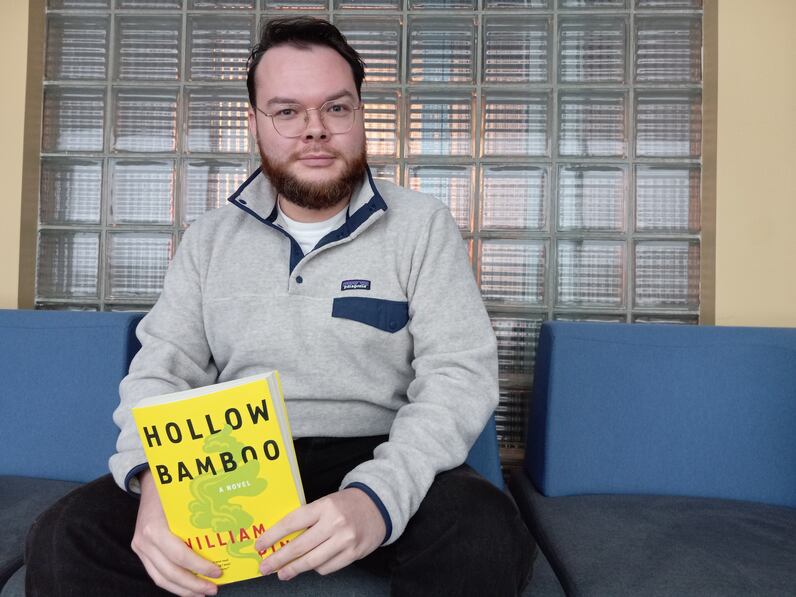
William Ping is the author of Hollow Bamboo (Elizabeth Whitten/CBC)
1:30 pm, LSPU Hall Second Space – Ever wanted to support artists more tangibly than streaming services allow? Upset with various CEO’s morally reprehensible investments, and being constantly bombarded with new AI features on your favourite streaming app?
Attend this panel discussion, ‘The Future of Streaming: Where Should Music Live?’ for a brief retrospective on music availability and discussion about artist movements and democratizing consumption. Moderated by Simone Schmidt with panellists Kelly McMichael, Hannah Judge, Cassia Hardy and Dan Sundelin-Hooker.
3 pm, Baird Building Garage – All ages punk show in the garage – an LV staple! Hosted by Renee Sharpe, head to the Baird’s Building Garage for some music that’s probably way too loud for 3 in the afternoon, but who cares, it’s always a great time!
Dear Evangeline is playing this show along with LICE, another hardcore band hailing from Brampton, and Newfoundland hardcore punk acts Invisible Hand and MANTRACKER.
All ages. Free.
Dear Evangeline is a hardcore band from Brampton Ontario. (BandCamp)
6:30 pm, LSPU Hall – Co-presented by the St. John’s International Women’s Film Festival is a screening of ‘Lilith Fair: Building A Mystery,’ a Canadian documentary directed by Ally Pankiw chronicling the untold story of Lilith Fair, an all-women music festival dreamt up by Sarah MacLachlan in the 90s.
All ages. Free, but you must RSVP online.
7 pm, The Ship Pub – Saturday evening at The Ship LV is presenting a fantastic trio of irony-filled indie rock/power pop bands – Kiwi Jr. from Toronto, Chumpp from St. John’s, and Fanclubwallet from Ottawa.
19+ cover $20.
Kiwi Jr. is a Canadian indie rock band based in Toronto, Ontario. (Ben Rayner)
9 pm, The Rockhouse – Get ready to move and also be in awe at how immensely talented queer and trans people are. You’re in luck, The Rockhouse has a great dance floor.
Hosted by local drag performer Gravy, see Toronto’s theatrical and sexy experimental synth pop band, Slash Need, Newfoundland’s bilingual gothic dance pop artist, Feminotica, and HRT, ‘euphoric hardcore’ from Montreal.
10:30 pm, The S.P.A.C.E. – Another evening of late-night electronic music to end off Lawnya Vawnya 16 with a bang. Saturday night at the S.P.A.C.E., see Corey Clocksy, NL-based vinyl DJ approaching mixing records as storytelling, Montreal’s JUNO-nominated polyrhythmic techno duo ÈBONY, and Halifax raver and DJ CPR.
19+ cover $20.
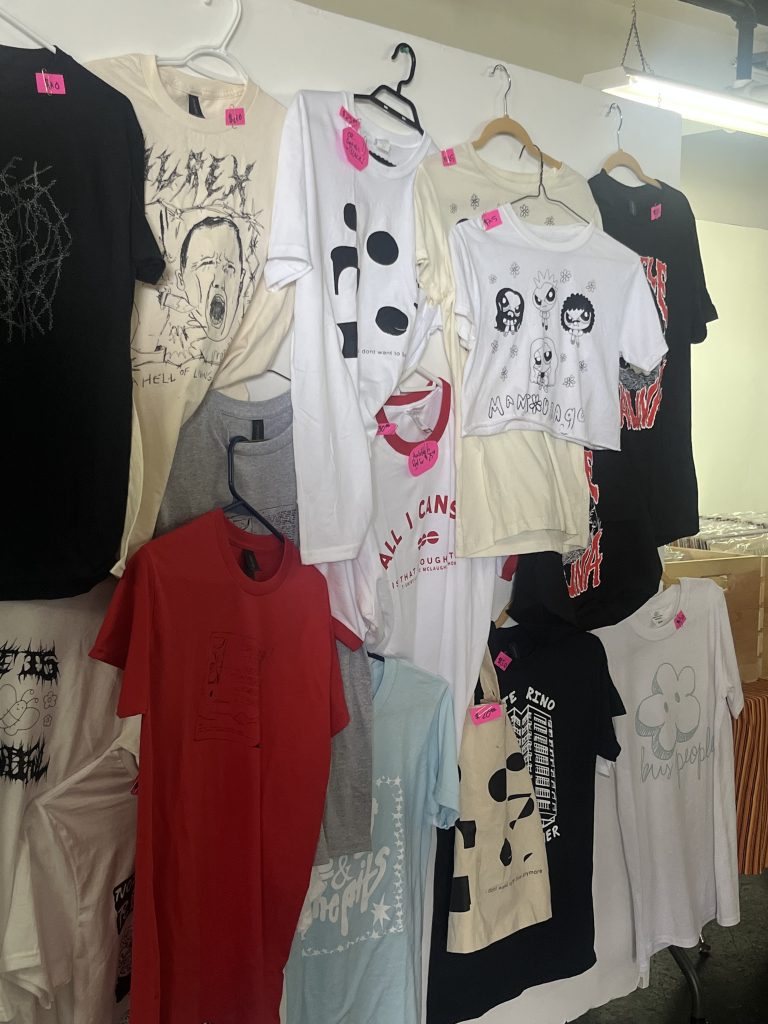
A Merch and Print Fair is also being held at Eastern Edge. 12-4 pm on Friday, June 5, and 12-5 pm on Saturday, June 6. Have a poke, and buy some merch from your favourite artists or bands at the festival to support them.
The Muse is giving away two (2) festival passes to Lawnya Vawnya. Details for entering the giveaway are on our Instagram page – make sure you’re following @themuseyyt and @lawnyavawnya on Instagram and tag a friend you’d like to go with in the comments! Winner to be drawn on Sunday, May 30th.
Look for The Muse at Lawnya Vawnya events – come say hello, hop on an interview, or get a free Muse sticker.
The latest film from folk horror director Damian McCarthy is a wild journey of mystery, death and an uncanny rabbit-like creature.
Adam Scott stars as Ohm, a grieving writer traveling to Ireland to spread his parents’ ashes near where they spent their honeymoon: a hauntingly beautiful inn isolated in the Irish forest. Upon his arrival, Ohm realizes that superstition and folktales are foundational to the area.
He refuses to believe the stories of the inn employees or townsfolk but is forced to follow the rules such as “do not enter the honeymoon suite.”
The inn’s owner claims to have trapped a witch there using chalk and silver to keep her away from the residents.
When a curious bartender named Fiona (Florence Ordesh) saves Ohm’s life and then disappears, he is left desperate to find out if she really saw what was in the suite.
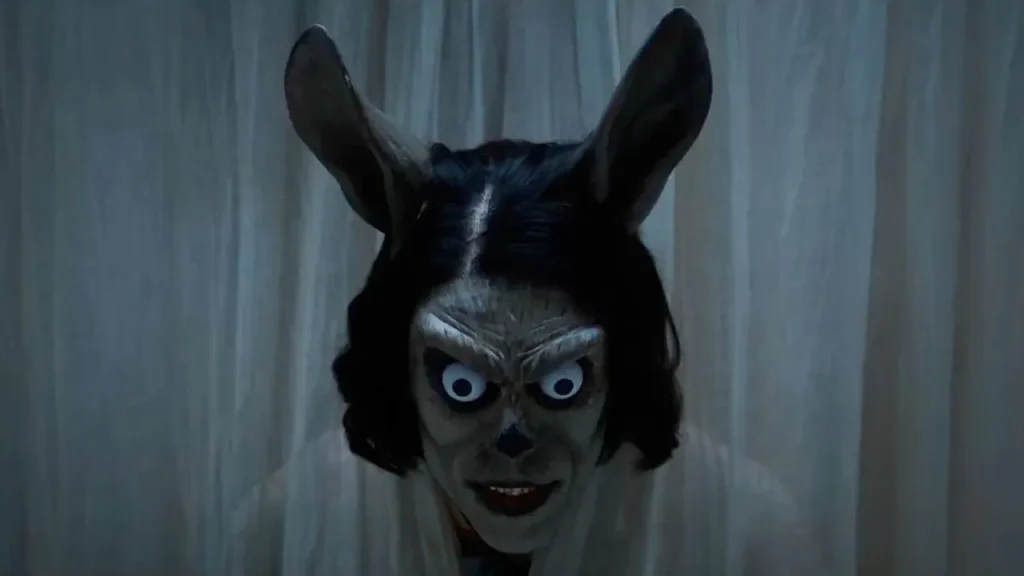
Still from Hokum (Neon)
The atmosphere of isolation fills the story with fear as Ohm is certain that there are no good endings.
The film makes use of clever, satisfying scares that actually move the story along.
Shadow is used to illustrate threats without overdoing the darkness of the movie (unlike many modern horror flicks). The monster design is enough to give someone nightmares through the image alone, not to mention the uncanny movement McCarthy makes use of.
The variety of horror makes this film an absolute crowd pleaser. From claustrophobia to scopophobia (fear of being watched), McCarthy makes use of every opportunity to fill the audience with fear.
Adam Scott’s portrayal of a cruel novelist filled with desperation is phenomenal to the point that his recent Severance fame does not take away from the immersion (which is a difficult feat in an elevator-filled movie.)
Damian McCarthy is a horror director to watch out for as he takes an Irish cultural approach to filmmaking. Using isolation, confusion, and the uncanny valley, Hokum is another exciting entry into the art-horror genre.
Nestled off the Trans Canada Highway in Avondale, this month, Eastbound International Speedway debuted its 12th annual season of oval racing action, including the NASCAR Regional Late Model Sportsman Series.
During a pre-season practice session, Owen Groves gave us some insight into his family’s history with the racetrack. Owen’s uncle, Jason Groves, originally got him into racing at the age of eleven; today, the uncle-nephew duo compete against one another in the Late Model division.
Owen has some additional racing experience under his belt, having previously raced across Nova Scotia, New Brunswick, and in the INEX Winter Nationals in Florida, which he considers “the best experience of [his] life”.
When asked if he would compete in the NASCAR Canada Series again – like he did in 2023 – Owen left the door open, noting he would need additional sponsorship to get a deal done.
While Owen Groves has been racing for nearly his entire life, fellow Late Model driver Jason Gosse is making his return to Eastbound after a nine-year hiatus:
“It’s like starting over from scratch”, Gosse told The Muse, “As long as I can improve the car every week, I’ll be happy”.
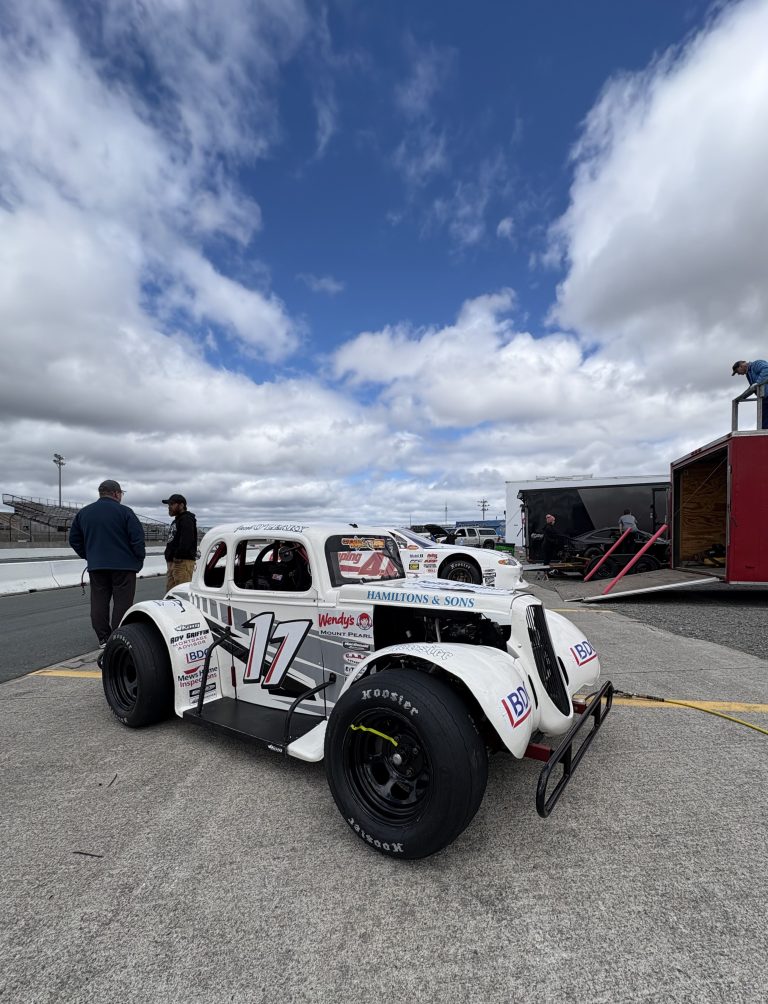
Hanlon Realty Legends Series driver Jacob O’Leary is too young to remember the old dirt track configuration.
Despite 2026 being his sixth year of competition, the Legends Series rookie is only thirteen years old. This year, O’Leary steps into a car running on a Yamaha motorcycle engine, placed in the body of a 1934 Ford Model T, which O’Leary described as “twitchy”:
“When you get in the throttle and you turn the wheel, it goes where you want it to, almost too much,” O’Leary explained to The Muse. Despite the challenge, O’Leary is looking forward to getting back to his favourite part of racing: “turning left.”
While Jacob zips around the racetrack at 140mph, his father, Chris O’Leary, watches both nervously and excitedly from the infield:
“I’ll lose more hair and have more stress,” Chris half-joked with The Muse. Despite his worries, Chris enjoys the ways that racing has brought his family closer: “On Friday nights, he’s with me in the garage…it’s been a great bonding thing for him and I.”
In addition to Late Models and Legends, Eastbound is also home to Atlantic Ram Dealers Hobby Stock Series – which utilizes 4-cylinder street cars – and the Amanda Arsenault Realtor Bandolero Series, where Jacob O’Leary began his career at eight years old.
Monday night, Alex Newhook scored the second consecutive series winning goal for his Montreal Canadiens, in a winner-take-all game seven in overtime against the Buffalo Sabres.
This comes after an already outstanding playoff run for the 25-year old forward, who is now tied for third in total goals in the Stanley Cup Playoffs.
Newhook is a very offensively gifted player, but nobody could have predicted that he’d be doing what he’s been doing.
Just to rewind a bit, Newhook was selected 15th overall by the Colorado Avalanche in the 2019 NHL Entry Draft after a very impressive junior career.
He subsequently made his Avalanche debut in 2021, where he got some playing time in their second round exit in the Stanley Cup Playoffs.
His first full season came in 2022, where he became a Stanley Cup Champion with Colorado, nabbing four points in 12 games played.
Alex Newhook won the Stanley Cup in 2022 as a member of the Colorado Avalanche (NHL).
After a decent sophomore season in Colorado, he would be traded to the Montreal Canadiens during the 2023 offseason, where he missed a portion of his first year with an injury, while his second year saw him post statistical career lows.
Entering this season, Newhook was looking to bounce back, and although his season was riddled with injuries again, he did post 25 points in 42 games, a very impressive feat all things considered.
That takes us to their first round series against Tampa Bay, where Newhook only put up a single point in the first six games of the series. He then finally broke through when he scored the game winning goal for Montreal in game seven.
This was the turning point for Alex Newhook in this playoff run. Entering round two against Buffalo, he went pointless in game one, before scoring twice in game two. He followed that up with another two goal performance in game three and yet another goal in game four.
He would add a single assist in the following two games, before scoring the second consecutive series winning goal for the Canadiens in game seven, this time doing so in overtime.
In 14 Stanley Cup Playoff Games in 2026, Newhook has scored 7 goals along with 2 assists for a total of 9 points. Before this run, he had played 31 career playoff games, scoring only one goal and adding seven assists. This is a true breakout from Newhook in every sense.
Newhook also became the first Montreal Canadiens player ever to score a game seven overtime winner on the road.
Montreal is now just four wins away from appearing in the Stanley Cup Finals, as they’ll now play the Carolina Hurricanes in the Eastern Conference Finals, which begins on Thursday night.
Gender bias and gender violence are not new phenomena. The problem of patriarchal dynamics around the world is broadly studied from diverse perspectives, still presenting a gloomy panorama.
I come from Mexico, a country with heavy issues regarding machismo, a specific sociocultural kind of sexism, and misogyny.
According to the most recent Gender Social Norms Index, 9 out of 10 men in Mexico hold at least one gender bias—in the political, educational, economic, and/or physical integrity dimensions—against women.
In Canada, the picture is also negative because almost 1 out of 2 men also has at least one fundamental bias rooted in a patriarchal society. At the centre of this scenario, there is an online component that has primarily reinforced violence against women through varied means.
Social media is not a neutral terrain for digital life, and neither are Internet forums.
In most cases, Internet users, multimedia content creators, blogs, and posts are failing to apply minimum ethical conduct to avoid hate speech and dehumanizing diverse groups of people. This situation creates a context in which platforms, institutions, and governments deny or neglect their accountability for the harmful content they allow to circulate for the sake of profits and online audience engagement.
In the past two decades, patriarchy has heavily extended its reach over social media and the internet in general, scaffolding the basis for the creation of a digital environment of misogyny and anti-feminist discourses worldwide: the Manosphere.
In a world where, according to a recent survey, gen Z men have a dangerous view of gender equality, it is time to acknowledge the enormous harm the Manosphere has dealt to men’s populations.
This cluster of online communities is mainly supported and promoted by men to spread disinformation and hatred according to the biased expectations of their specific group.
For instance, incels adopted the idea that girls and women are withholding the access to sex-affective relationships even when they are not really listening to any woman to know what they want in a partner nor treating women and girls with human dignity and respect.
Redpillers sell young men the ideology of being “awakened” to societal gender norms, but in reality, they merely reinforce traditional gender roles and reproduce the ideals of a patriarchal structure in society from 20th-century imagery and earlier.
Men’s rights activists promote a distorted view of reality, claiming that men are “legally disfavored” in all aspects of their lives solely because they are men, while failing to acknowledge that many of the issues they raise are actually the result of interconnected systems of oppression, such as capitalism, colonialism, and patriarchy.
Pickup artists teach young men ‘seduction techniques’ based on manipulation, psychological violence, coercion, or deceit, lacking any ethical view on interpersonal relationships, mutual well-being, eradication of gender violence and gender biases, or consent processes.
This digital ecosystem has developed violent communities that even create and circulate methodologies for sexual aggressions, including rape.
Men are the main active participants and content consumers in the Manosphere, literally constituting its target audience in terms of content and actual market regarding revenue. Therefore, what are we, men, waiting for to dismantle the Manosphere?
How much more damage will we allow to happen to everyone (including ourselves) until we recognize that the need to change is huge and inescapable for the sake of the well-being of all societies?
The Manosphere is just a digital consequence of patriarchy, and it can be dismantled if we take action as a community.
Loitering (verb): To delay an activity with idle stops and pauses; to remain in an area for no obvious reason; to lag behind (from Merriam-Webster); to linger, hang about… to stand, sit, or recline without a purpose (from various municipal codes).
I’m not sure about you, but the above sounds like a dream. I yearn for delaying an activity with idle stops or pauses; to stand, sit, or recline without a purpose.
Why must a purpose be required? Sometimes, as a small act of resistance, I lag behind. What a joy it is to know you will be a few minutes late, and stretch time just slightly beyond what is expected.
And yet, my reasons for loving loitering go beyond this whimsy. They rest on something more structural, something closer to community health.
This positive light I shine on loitering might be surprising, given its negative connotation.
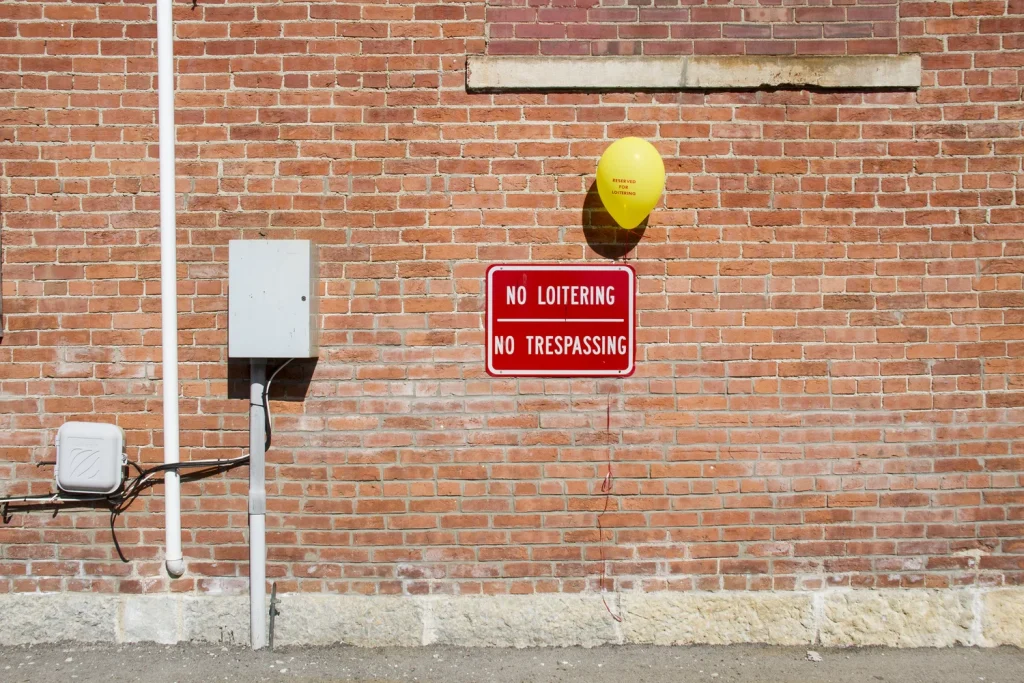
‘To loiter’ is often synonymous with suspicion; it is, in many places, explicitly criminalized. Take Cambridge Dictionary‘s definition: To wait in a place “looking as if you are going to do something illegal.”
The justification for this criminality begins to unravel under scrutiny. How does loitering differ from simply ‘hanging out’?
At what point does presence become an offence? Is spending time in a place only acceptable if it is purposeful, or perhaps transactional, if we have paid to be there?
This definition should give us pause: loitering is framed as waiting while appearing as if one might do something illegal. A look, then, becomes the offence.
This subjectivity is not incidental; it is foundational. Historically, loitering laws have regulated not behaviours, but people. Emerging from 14th-century vagrancy laws, they were designed to control those deemed ‘out of place.’
Poor, homeless, racialized, and Queer communities have long been surveilled simply for existing in public.
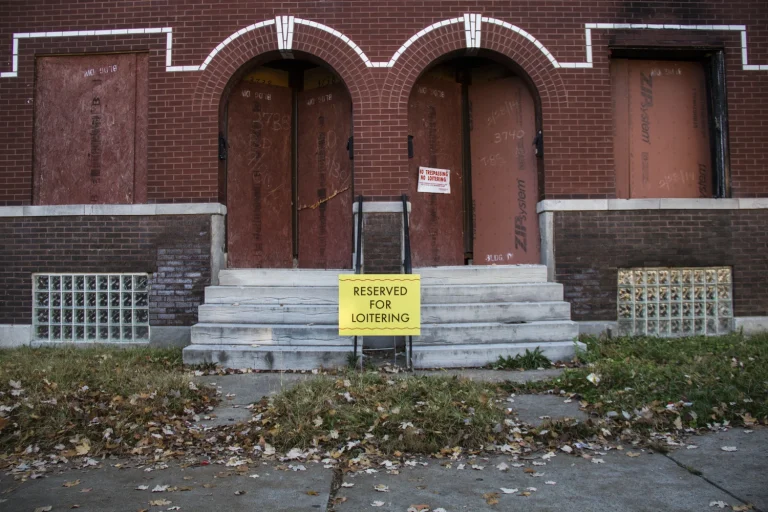
In this way, loitering is unique in the criminal sense. It is not what one does, but who one is, and where one stands, that comes under scrutiny; an unease that still lingers in how we police presence in public space today.
While I believe traipsing, idling, and moving about without intention is a lovely way to spend a day, my reasons for promoting loitering extend beyond lightheartedness.
Encouraging people to spend time in their communities builds connection in ways that are both subtle and profound. As with active transportation, loitering increases incidental interactions – the small, fleeting encounters that accumulate into familiarity, and then into trust, belonging, and shared space.
Importantly, these interactions are cost-free and accessible. You are not required to purchase anything to remain in a public space, nor is an exclusive membership required.
In this sense, loitering reasserts the role of the public sphere as a democratic meeting place. First described by Jürgen Habermas, the public sphere is one in which individuals gather not as consumers, but as participants in shared life.
It stands in contrast to the private sphere’s controlled domain. One of the beautiful things about community is precisely this diverse matrix of lives that come together, sometimes unexpectedly.
There are also concrete health benefits to loitering, both physical and mental. Time spent outdoors supports vitamin D synthesis and has been associated with lower cortisol levels.
Lingering in communal spaces also promotes physical activity in an incidental, low-barrier way; a short walk becomes slightly longer and a destination becomes a place to pause.
Ironically, loitering is often framed as a precursor to crime, frequently reported as “suspicious behaviour.” And yet, the opposite may be true.
Urbanist Jane Jacobs described “eyes on the street,” the idea that the presence of ordinary people creates a form of natural surveillance. When people are around, hanging out, idling, simply existing, there are fewer opportunities for crime to occur unnoticed.
A lively street feels safe not because it is controlled, but because it is inhabited. By contrast, empty spaces such as vacant lots or deserted parking areas often feel unsafe precisely because they lack this social presence.
There is a simpler explanation: Having people around makes life more enjoyable.
There is a quiet joy in stepping outside and seeing others doing the same. Sitting, chatting, passing through, or, indeed, doing nothing in particular.
It is a shared, unspoken, and deeply human experience.
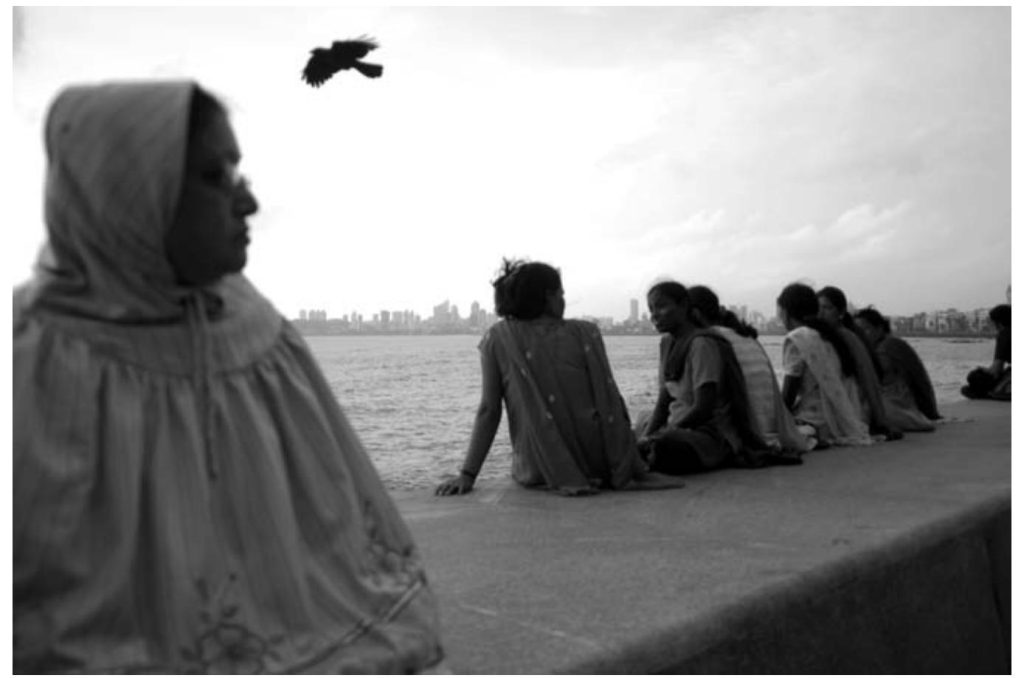
Hanging out at Marine Drive, Mumbai. From Why loiter? Radical possibilities for gendered dissent. (Poulomi Basu).
Encouraging loitering in our communities
If we accept that loitering has value, the next question becomes: How do we encourage it?
A useful starting point comes from anthropologist Marc Augé, who distinguishes between “places” and “non-places”. Non-places are those we move through without attachment, such as transit hubs, corridors, or parking lots.
They are functional, but not meaningful. The challenge is to transform public spaces, including sidewalks, parks, street corners, into places worth staying in.
This begins with the physical environment. Interventions can be modest or ambitious. A single bench can invite pause; larger investments, such as community centres, expand these possibilities. What matters is not scale, but intention: Creating spaces that signal permission to remain.
Equally important is the presence of activities. Chess tables, hopscotch markings, little free libraries, community gardens, or seasonal events provide gentle invitations to linger.
Safety is another crucial component. Crime Prevention Through Environmental Design emphasizes visibility, lighting, maintenance, and activity support. A well-lit, well-used space is both safer and more inviting.
Finally, comfort matters: Seating , shade, washrooms, water, and thoughtful, human-scale aesthetics all contribute to spaces people want to spend time in.