Home Blog Page 62

MUNL student’s computer hacked after using ProctorU

0

(featured image by madartzgraphics via pixabay.com)

On Monday, February 21st, Memorial Student Emma Murphy made a Facebook post on the student Facebook page “MUN Course Review/Advice” in a panic. She found that her computer had been hacked after using the proctoring software ProctorU.

Emma had downloaded the program for a Psychology 1000 course she is taking at MUN. The course required the use of ProctorU for the midterm examination. As Emma explained to me, “I believe I was hacked by my Proctor through ProctorU or somebody with that company. All the weird activity on my computer started at 7:34 pm on Monday the 14th. At that time, I was in my proctored exam for 15 minutes. My exam ran smoothly and after my exam, I put my computer away and didn’t touch it until two days later. When I used my computer again a white screen kept popping up on my laptop and I wasn’t able to use my keyboard. I couldn’t see anything but white on my screen. I had to restart my laptop, and then after it was rebooted nothing would load or if it did it was oddly slow. Fast forward to yesterday (Monday) when I was on my computer again, a warning showed up and was showing pop-ups and thousands of logs. From what I’ve gathered the logs are not an issue it is the other pop-ups and my system not running properly which is the problem.”

ProctorU is a remote proctoring service used for online testing. ProctorU requires students to download their software on their computer so that someone can monitor the student while they take an exam. ProctorU also gains access to the student’s webcam microphone and can see the student’s computer screen- to prevent cheating. This program grew in popularity for examinations during the COVID-19 pandemic, while most classes were remote.

However, many students like Emma have had issues and concerns with the software. This includes uneasiness while being watched by a stranger and if their personal information is safe while using the program. Proctor U’s privacy policy  openly states: “we cannot guarantee that transmissions of your information will always be secure or that unauthorized third parties will never be able to defeat the security measures taken by us or our service providers.”

This is not the first-time Memorial students have been concerned about Proctor U.

In 2020, Memorial students launched a petition for MUNL to stop using ProctorU after students had concerns regarding ProctorU’s complete control of their computers. The students also highlighted worries that they will be accused of cheating for slight movements or sounds that may be picked up by the webcam or microphone.

When Emma looked at her computer after the exam, she received a warning from Apple that there was software downloaded and needed to complete a diagnosis as soon as possible. As Emma explains, “The pop-ups I was receiving were things like “All Personal Files Shared”, “Changes have been made to your guest and a personal login,” “All data scanned,” and “Unknown software downloaded from chrome.”

warning g6ccd92d77 1280
Photo by 200degrees via pixabay.com

This warning on her computer was very problematic.
Emma stated, “I am very worried that my banking information, my address, photos, and everything, has been compromised. My entire identity is on my laptop. My banking info and all passwords are saved on it.”

Emma brought the laptop to Jump +, an apple retailer that provides technical support. They recommended completely wiping her system to protect her personal information.

Emma has also spoken with MUN security, IT, and CITL. Emma explained that Colleen Collet- CITL Manager, “is running an investigation,”- stating she made it very clear that she has had allegations against ProctorU before. Still, they are never found to be true. She also told me that if I am gathering information from social media, it’s all misleading and untrue. The conversation felt very much like she was telling me there is no way that it was ProctorU created the problems I was having.”

Emma and other students who responded to her Facebook post are now worried about using ProctorU for online examinations at Memorial. What if they also get hacked or have their information compromised?

Emma told me that “it is stated in the syllabus that you must use the proctor for all exams and there are no exceptions. I have contacted my professor about the issue but I have not received a response yet. I am in worry now that I will be forced to fail the course or drop the course with no compensation because I will not be using the proctor again.”

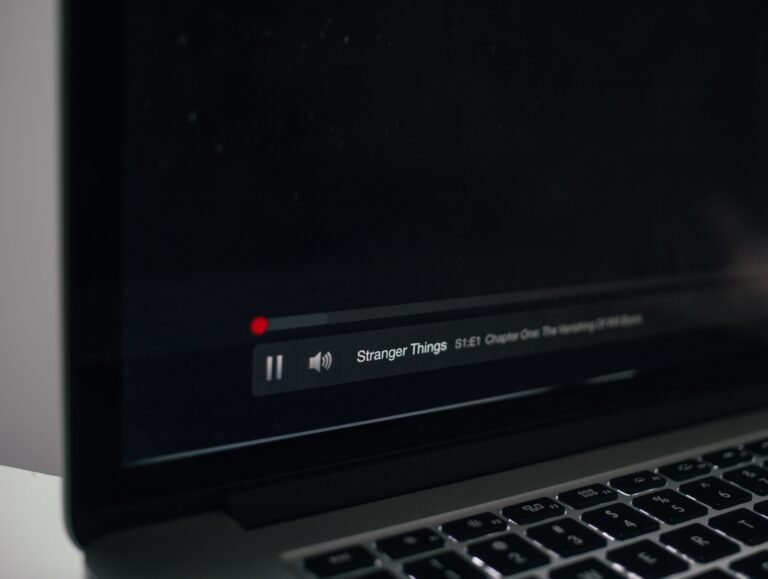
Furthermore, Emma emphasized that she has evidence of unusual activity on her computer. It started happening when she granted ProctorU access to her computer. “The white screen showing on my computer was described to me as a privacy screen that hackers use to lock me out while they access information. My computer at most is 2 years old and is only used for school and Netflix. I have had not one issue before all of this.”

ProctorU. “I have had 20 different students reach out to me saying they’ve had multiple issues with their computers since using the proctor in the past two weeks. Some are having technical difficulties; some are getting prompts to change their passwords. I even had a student reach out who took the same exam as me, and failed her exam for exiting early when she saw the proctor going through her files while she was doing her exam! I also received messages from students who had to buy new computers after using this software because it accessed their cameras, slowed down their systems, creating havoc.”

Here are the logs Emma found when she looked at her computer’s console. One of the logs that raised suspicion from commenters was “dispatchEvent Dispatching event with 2 children,” however, after further investigation, it seems that “children” are common coding language.

Screen Shot 2022 02 25 at 12.53.01 PM
From Emma Murphy on Facebook

After contacting ProctorU and CITL, they stated that Emma’s claims made on Facebook are false and were not caused by the ProctorU software.

I asked @ProctorUSupport via Twitter direct messaging to comment on this situation or provide any support or compensation for users whose computers are hacked by the software.

ProctorU replied, “We have been in discussions with the University, and they have confirmed that the claim made by the student on Facebook was inaccurate. The error logs she referenced are a typical product of any computer platform and not related to ProctorU software. Our Compliance team performed an investigation into this exam session and nothing unusual or out of the ordinary was found. If we determined a machine was impacted by our software, we would compensate accordingly. Here is an article that will likely help in this context.” 

I also reached out to CITL’s Senior Communications Advisor Courtenay Griffin, and she provided this statement:

“Thanks for reaching out to us. We are aware of the claims and understand how alarming this situation would have been for the student. We have connected with them to offer our support and to request details of the incident. We take questions about student privacy and security seriously and requested ProctorU to investigate. ProctorU has done a review of the entire session and we have met with them to discuss it; their investigation revealed nothing that would indicate that the student’s computer issues were caused by the use of the ProctorU service. We have confidence in ProctorU’s review process and its assessment of the situation. If you would like more information about Memorial’s use of ProctorU, we have a web page for students that provides details about what to expect, including FAQs that address privacy and security concerns. ProctorU also has a useful “myth busters” page addressing common security concerns as well.”

However, Emma explains that she already knew about the logs and that they are not a serious privacy concern. She is worried about the software downloaded and notifications she received indicating that her info and files were leaked.

CITL also emailed Emma back and explained that they investigated her concern and issues she experienced with her computer. CITL told Emma that they take student privacy and security questions seriously and thus requested that ProctorU investigate the incident.

In an email from CITL, ProctorU was said to have conducted a review and met with CITL stating:

“ProctorU reviewed the session, including recording as well as the proctor’s actions, and determined that appropriate processes were followed and no deviance from standard operating procedures was detected. We have also confirmed that the LogMeIn Rescue app used to connect the student and the proctor, ends once the student closes the chatbox, or removes the proctor’s access. The connection is one-time only and once used, cannot be reconnected.” Furthermore, CITL emphasized, “At this time, we did not find evidence to support that the issues were caused by using the ProctorU service.”

Emma was frustrated by this response from CITL because she feels they do not fully understand her concern. Her Facebook post received over 200 likes, and she received 20-30 messages from students who also experienced problems with the ProctorU service. Emma emphasized that she has also experienced financial challenges since using ProctorU because she has had to lock her debit and credit cards and pay to have her computer wiped and reset. Furthermore, Emma and other students do not feel like their personal information is safe when using this program and are afraid to use ProctorU for their courses. Therefore, they are concerned about their grades.

There has yet to be any comment from Emma’s professor or Memorial University if students are still required to use ProctorU for their exams.

To further validate the claim that ProctorU has caused problems on Emma’s computer, I asked Emma if these pop-ups and computer issues could have been caused by something else?

Emma explained to me: “It would have be one huge coincidence if it came from an outside source, my computer is only used for school and Netflix and these things don’t just appear, you know? And I can’t even express how many students I have in my inbox right now having the same issues. Most technical difficulties prompt them to change all their passwords because of security reasons I have dealt with. How big of a coincidence would it have to be if all of these other students used ProctorU and then had the same issues, but it wasn’t the proctor that caused it? Did all our computers just decide to have the same problems after using the same software, for it to be an outside source of the problem?”

Students on Facebook continue to express their fears of ProctorU. They have been told by Memorial or Professors that they have no other choice but to use it for online exams.

The Digital Learning Centre – How HSS Students Can Take Advantage

0

The Digital Learning Centre at Memorial University is a technology-based environment for students within the Faculty of Humanities and Social Sciences to study, learn and relax. Students can come to the Centre for help with oral or written skills in any language Memorial University offers from the various tutors with extensive language backgrounds. The Centre is particularly helpful with French, German, Russian, and Spanish languages. You can also use it for remote classes between your in-person lectures.

The DLC is primarily used as a language learning facility. However, in 2013, other disciplines within HSS were invited to make use of its teaching and learning capabilities. The objective of the DLC outside of language learning is to provide undergraduate and graduate students with a fun learning environment in which to work and engage with peers studying in the same Faculty. One of the software programs available, for example, is STATA, which allows political science, sociology and any other students requiring software to complete statistical analysis assignments. Communication studies students, as another example, could work on editing audio and video using iMovie.

Instructors can also take advantage of the resources offered at the Digital Learning Centre. The Centre provides many different resources to instructors, such as projection equipment and computers for each student to work on individually during class as lecture content is presented. The DLC gives instructors a chance to catch up to modern times and make their lectures more technology integrated. If interested in booking a class or would like an orientation, please contact the centre director, Karin Thomeier; 864-8585 or karint@mun.ca.

The Digital Learning Centre provides a place for students to get help with their language courses and a space where HSS students can ask questions freely, relax and study in a quiet environment and make use of the online resources. The Digital Learning Centre’s winter hours are Mondays-Thursdays 9:00 am – 7:00 pm; Fridays 9:00 am – 4:00 pm. For more information on the scheduling and specific disciplines, visit www.mun.ca/dlc.

Assigned Sex and Chosen Gender Identity

Photo Credit: Patrick Fore (via Unsplash), Sharon McCutcheon (via Unsplash)

A few disclaimers to start: This article is meant to introduce the differences between assigned sex and chosen gender identity. It is not intended to be exhaustive, and you are highly encouraged to continue researching these topics beyond this article. Information, understandings, and terms change all the time, especially with topics as personal as gender identity. When this article was published, the information was accurate to the author’s knowledge: the author identifies as Caucasian, nonbinary, and assigned female at birth.

A large part of the 2SLGBTQIA+ community (I am extremely proud of) is challenging expectations and norms. It is sparking an openness to questioning if there is another way of something that society tells us is limited. So, you were probably told there are only two sexes, and there are only two genders. The idea of there being two strict categories for sex, female and male, and gender identities, man and woman, is called the sex or gender binary. Keeping these terms separate is very important because they are two very different concepts despite being related.

Assigned sex at birth refers to the category you are put into based on your sex characteristics, most often your primary sex characteristics or genitalia. The terms used for these categories are male, female, and intersex. Most are familiar with male and female; intersex, however, is an identifier used by those whose biology does not neatly fit into one of the traditional definitions boxes. Because these are assigned by primary characteristics alone, many people may never know they are intersex. This is the in the 2SLGBTQIA+ acronym and is very important to include because it continues to be overlooked even in queer-friendly spaces.

Gender is a concept that is extremely hard to define. People have spent years studying gender roles and identities. An attempt to summarize is this: gender is a social construct based on the presentation, or the expression, of a person; how a person chooses to interact with the world in style and actions. Our society has decided that the gender identities of men and women are assumed for those assigned male and female.

What does that sentence mean? It means someone born with specific genitalia is assigned female or male (remember this refers to their biological makeup), called girl or boy (terms often used to indicate gender identity). The expectations for that person’s behaviour, interests, and personality are already being created. This may be a more familiar concept; in recent years, societal gender roles being inappropriately weighted have been discussed more.

Transgender, the T of the 2SLGBTQIA+, is one of the identities used by those who do not feel comfortable in these assumed gender identities. An example is someone assigned female at birth, and therefore assumed to be a woman, but who identifies as a man. And the opposite is true, of course.

As said in the beginning, the idea of there being two strict categories for sex and gender identities, female and male and man and woman, is called the sex or gender binary. Another part of the 2STQ, and + of the acronym are an infinite amount of other gender identities. You may have heard the term Nonbinary; this is a gender identity used by those who do not connect with being a man or a woman. There is also Agender: someone who feels they have no connection to any gender; Bigender or Trigender, someone who connects with two or more genders at once; Genderfluid, someone whose gender identity changes. The very start of the acronym, 2S, represents Two-Spirit, an Indigenous gender identity that is carefully being revived. These are only a couple of the identities and only a few definitions.

So, if someone does not identify with being a man or a woman, how do you address them? Just like this, by asking and researching different identities. Those who do not fall neatly into the binary may feel more comfortable using neopronouns, neutral pronouns, or several pronouns interchangeably. A neutral pronoun used all the time in English is they/them/theirs. New pronouns have been created, such as xe/xem/xyrs, ey/em/eirs, or it/its. Some people do not feel any connection between gender identity and pronouns or other traditionally gendered terms. Therefore, it is always best to ask respectfully and not assume.

These identities result from questions that humans have always been inclined to ask. What if I do not fit into just one or any of these boxes? What if there is a third option? What if gender identity is a spectrum with masculinity at one end, femininity at the other, and androgyny in the middle? What if gender identity is personal, and instead of boxes to check yes or no, there should be a write-in box for everyone to voice an opinion? And why is any of this important?

The 2SLGBTQIA+ community is a minority group. The world does not account for us the same way it does for others, starting at fundamental human rights. This is especially the case for gender minorities, even more so for those who identify in other minority and overlooked categories. Based on demographics: think of all the studies, information, instructions, and decisions from professionals of all fields, especially medical and political ones. Very few have considered people who do not fit into the assigned sex at birth categories of male and female and the assumed gender identities from that assignment.

The first step is acknowledging and respecting the existence of gender and sex minorities through education, advocacy, and support. You are highly encouraged to research the topics only introduced in this article. The Memorial University Sexual and Gender Diversity webpage, found under Student Supports and Services and Respectful Campus Community, includes lists of resources and supports available on campus and in Newfoundland.

Grocery Shopping Tips for Students

Photo by Steven Cordes on Unsplash

Moving to a new city to study can be daunting, and trying to navigate your new surroundings can be a stressful endeavour. Shopping for basic food necessities can be even more stressful, especially if you do not know where to go or find the best deals.

It is no secret that food prices are high, and some students struggle to find and afford nutritional food items. For this reason, we have compiled a list of tips and advice from students when it comes to shopping for groceries:


1. Download Flipp

Flipp is an app that updates its users on deals available in stores during the week. It can be downloaded through the Apple Store and the Google Play Store and available online through a browser.

Users can open Flipp and select which stores they shop at most often, and then the app updates weekly to inform users of current deals and upcoming ones. Stores listed in the app include Sobeys, Walmart, Shoppers Drug Mart, and more!

This tool can be useful to plan your next grocery shopping trip as it includes a feature where you can create shopping lists!

2. Use the Grocery Shuttle offered by the MUNSU

Did you know that the MUNSU has a bus to Sobeys on Kelsey Drive on Tuesdays? Kelsey Drive is also home to other shops such as Canadian Tire, Staples, Walmart, and many more!

In collaboration with Sobeys, GSU, and MUNSU, the Grocery Shuttle offers a free shuttle service every Tuesday evening during the fall and winter semesters.

This service provides a safe and convenient way for students to shop for necessities that they might not be able to get on campus. An additional bonus is that students do not have to worry about transportation like they would if they were to take public transport, which would take about 60 minutes or a taxi, which is costly.

Note: The availability of this service is subject to the state of the pandemic. It has recently started to operate again but check out their webpage for the latest updates.

@MUNSU35www.munsu35.ca1
Photo Credit: MUNSU35 (via www.munsu35.ca1)

3. 10% off at Sobeys (only on Tuesdays) and Lawtons Drugs

Sobeys and Lawtons Drugs stores each have student discounts of up to 10% off if you have a valid student ID.

Both stores carry necessities and food items, though Sobeys has more produce and Lawtons Drugs has more variety in pharmaceutical items. Students can get the best of both by splitting their shopping lists between the two to get maximum discounted prices.

4. Bulk Barn for spices, nuts, and lentils – plus 10% off every Wednesday

If you need spices, fresh nuts, or some lentils, then Bulk Barn will be your best friend. The chances are that you do not need 500 grams to 2kg packages of any of these items, but that is how you will usually find them in most stores. Not only are they heavy to carry around, but they will also take up a significant portion of your already tight budget.

Instead, you can grab as much as you need for that week for a much smaller price tag, and if you shop at Bulk Barn on a Wednesday and provide a valid school ID, then you can also take advantage of the 10% off!

Bulk Barn has also recently restarted their “Bring Your Own Container” program, an initiative intended to reduce plastic waste. This can help students save money on buying bags while also contributing to a cleaner environment.


5. Bring your own bags when shopping

Most grocery stores have adopted the policy of removing plastic bags from their stores and replacing them with reusable ones. Purchasing these reusable ones can become an unnecessary expense over time.

Bringing your bags can remove that expense and give you a few extra dollars to spend on other items you may need.

6. Dollarama for snacks

Dollarama has a variety of food items that are generally cheaper than what one might find at other outlets, but the snacks are where students can save the most money in this store.

The wide assortment of snacks available at this store include chips, pretzels, cookies, chocolate, soft drinks, and more that can cost up to 50% less than what you may find at other places!

7. Meal Planning and Prep

Finally, one of the best ways to ensure that you do not overspend is to plan for all the meals you intend to cook and eat until the next time that you must shop.

This way, you know exactly what to buy, how much to buy, and have an idea of what amount of money you may be spending when you shop. Proper meal planning and prepping can help prevent students from overspending.

This list is not exhaustive, but hopefully, it can give new students some ways to save and shop on a more budget-friendly basis.

Biology Undergraduate Mentorship Program

0

The Biology Undergraduate (B.U.G.) Mentorship Program offers guidance for biology students interested in pursuing further education after their undergraduate degree. Organized by Jillian McGroarty, a current biology master’s student, this program matches undergraduates to graduate student mentors from various disciplines. Through this program, students are offered the chance to apply to graduate school while receiving insight into the day-to-day activities and practical skills; not covered in typical academic advising.

Jillian says that she benefited from having a mentor as an undergraduate student at the University of Guelph in a similar program. “I was paired up with a Master’s student, and I got a lot of out the program. I wasn’t really sure about my options after undergrad, and did not know the logistics of applying to grad schools. When my mentor encouraged me to do my honours thesis, I met my supervisor and got the chance to do some field work and write my thesis at their lab. The references they provided also helped me in my application to grad school.” When she started her studies at Memorial University, Jillian wanted to arrange a similar mentorship program to give students here the same advantage. “When I came to Memorial, I was interested in paying it forward by doing something similar, and making connections with undergrads. It can be really hard to bridge the gap between undergraduate and graduate students, so I wanted to make a way for the department to be more collaborative.” With the help of her supervisor and other biology department members, Jillian started the mentorship program by reaching out to potential graduate mentors and advertising the program in undergraduate classes and labs.

Undergraduate students can apply to be matched with a mentor using a simple online form, which allows them to specify their study interests and expectations of the mentor. The agreement form for mentors and mentees also helps them schedule meetings according to their preferences, decide relevant topics for discussion, and define their goals for the program. Students have the option of remaining with the same mentor for multiple semesters to build a long-term connection.

Although most mentors are graduate students, undergrads who are unsure about pursuing grad school can benefit from the program. According to Jillian, “The main goal is to help undergrads have some reassurance about their options after completing their degree. It doesn’t have to be grad school—although most of our mentors are grad students, many of them have work and volunteer experience, as well as knowledge about applications for jobs and scholarships.” The B.U.G. Mentorship program also offers grad students the chance to guide other students. As she notes, “It is a great way for mentors to get some leadership experience and take on this type of responsibility. Opportunities like this can be lacking in academia.” Besides building mentor-mentee relationships, Jillian also hopes to organize social events so that students can meet and connect with faculty members.

The transition from undergraduate to graduate studies can be difficult. “The process of applying to grad school can be daunting. Besides this, the day-to-day of being a grad student— competing a thesis-based program and conducting research— is very different from an undergraduate degree. It involves a lot of independent work, which undergrads often don’t get to learn,” Jillian says. “Mentees can learn many hard skills from this program like using R, doing field work, lab techniques, writing scholarship applications and reading scientific literature. They will also be able to learn some soft skills by networking and connecting with other students and professors.”

Graduate student mentors involved in the program are studying in various fields, including ecology, evolution, ocean sciences, marine biology, cognitive and behavioural ecology, biochemistry, microbiology and medicine. Undergraduate students who are unsure of their future study plans can still use this program to learn research skills and build relationships. The program is currently underway for the winter semester cohort. It will be open for applications at the beginning of the fall semester.

MUNL launches the first round of Work Integrated Learning Program placements for post-secondary students

0

Photo by Cathryn Lavery on Unsplash

Memorial University of Newfoundland and Labrador has launched the Work Integrated Learning (WIL) program in partnership with Business + Higher Education Roundtable, RBC Future Launch, and the Government of Canada.

It is an initiative intended to provide relevant work experience to students from all disciplines. They are micro-placements that last 5 or 10 days, which allow students to temporarily immerse themselves in a full-time working environment, helping them build necessary skills for all fields of work and study.

It is important to note that these placements are unpaid, but the university will cover the costs of relocation should a student need to temporarily relocate from St. John’s to a rural part of the province to complete their placement. The costs covered include travel, meals, and accommodation.

One of the major benefits of such a program is that it is available to international students, those who do not have co-op or work terms integrated into their degree program, as well as students who have little to no experience – all groups that are usually unable to find long-term work positions while studying. As the placements take place during semester breaks, this provides an opportunity for students to get relevant work experience without it affecting their studies. Furthermore, remote positions are also available, so students not currently in the province due to the pandemic are also able to apply!

Further benefits include learning in a “real world” setting, improving current skills as well as gaining new transferrable skills, access to valuable connections for future employability, and exposure to other career paths students may not have considered before, such as business, municipal, and non-profit.

Additionally, programs such as the WIL have shown that they contribute to a more enriching student experience, and higher satisfaction and retention rates.

To be eligible to apply to jobs under this program, you must be an undergraduate student completing your first degree at MUN.

“Students can expect to get hands-on work experience during their micro-placement with an employer. They will be able to build a network in NL and gain skill sets that they can use in future roles. Even though the placements are 5 or 10 days in length, students will still be able to transfer the skills that they have learned to another role. This is a great opportunity for students who may not have a co-op as part of their program to gain meaningful work experience. It’s also an opportunity to explore other roles that may defer from your career interests.”

Diana Joanes, WIL Coordinator

The first round of placements has already begun, and students have been assigned roles ranging from research assistants, website developers, and even writers at The Muse!

The next upcoming deadline to apply for WIL Program placements is March 10th.

To learn more about this valuable opportunity, check out WIL Program or contact the WIL Program Coordinator, Diana Joanes, at dpj522@mun.ca

5 Safe Study Spaces at MUN

0

Photo Credit: Edwin Tan (via Unsplash)

Concerned about COVID-19 or enjoy privacy? These study spaces are for you!

On February 18th, 2022, the government of Newfoundland and Labrador announced that all COVID-19 restrictions and mandates would officially get lifted on March 14th, 2022. 

This is a part of the government and public health’s “Living with COVID-19 Plan”- however, the virus will remain a legitimate concern for some. 

Memorial University has yet to issue its response and plans.

So The Muse has collaborated with student Ryan Murphy– Owner of @St.John’s Reviews on Tiktok, to curate Five Study Spaces on Campus to ensure comfortability and safety as we navigate living with COVID-19.

1. Queen Elizabeth II Library

QEII Library on Memorial’s St. John’s Campus is a primary hub for student activity and studying. However, for those who enjoy privacy or have COVID-19 concerns, QEII has lots to offer.

@murphyslawnl

Brief tour and overview of the QEII during COVID! #munl #stjohnsreviews #qeii

♬ Happy Up Beat (Medium) – TimTaj

Dean of Libraries states. “The libraries are proud that we have been able to provide safe access to our spaces and services throughout the almost two-year pandemic,” said Dr. Dianne Keeping, Dean of Libraries. “We also understand that our students, faculty and staff have different levels of comfort about accessing in-person spaces and services during a pandemic. Our efforts are on flexibility through robust health and safety measures to protect those who use our physical library spaces while also continuing to provide online services for those who prefer to avail of remote access to Memorial’s libraries.”

2. Remote Learning Classrooms

Memorial’s St. John’s Campus has a number of remote learning classrooms designated for those who have to attend remote lectures while physically present on Campus.

49627042628 ce29e24cb0 c
SN 1019 Remote Learning Classroom
Photo Credit: Memorial University (via Flickr)

Available on a first come first serve basis, these rooms are worth checking out if COVID-19 is a personal concern.

Find Remote Learning Classrooms HERE

3. Faculty/ Department Study Spaces

There are study spaces across MUNL Campuses that cater to individual faculties and departments, offering safe and regulated study spaces where one can feel comfortable and safe.

Here is the Humanities & Social Sciences Student study space.

Business Building study spaces:

There are also a number of Society Rooms across Memorials different departments. This includes MUN’s Political Science Society, Memorial University Geography Society, and more!!

Be sure to ask those in your faculty and program!

4. Core Science Facility Study Spaces

MUNL’s new Core Science Facility is known for its beauty, high-tech equipment, and the Blue Whale skeleton. However, it also has several great study spaces useful for students with COVID-19 concerns.

This building is spacious and plentiful, having everything from communal study spaces to individual-spaced tall chairs that ensure social distancing and privacy.

28011A2179 HDR 600x400 1
Tall Chairs & Safe Study Spaces in MUNL’s Core Science Facility
Photo Credit: Marco Group (via marcogroup.ca)

5. Hatcher House

Memorial’s Hatcher House is a study space and common area surrounded by MUNL’s St. John’s campus residences. Open to all students; this is a great space to check out.

Open 2 pm-2 am daily; depending on the time, Hatcher is not super busy and easy to keep distance from others to maintain COVID-19 safety.

hatcher indside
Hatcher Inside
Photo Credit: Memorial University

If you have any safe study space recommendations, let us know!

BLMNL Hosts “Redefining Our Standards of Beauty” Events to Educate on Black Hair and the Importance of Shifting Beauty Standards

February, Black History Month, is a month to celebrate Black lives and bring further awareness to Black history and culture. As a Black person, this month is very impactful as I learn more about my history. Last Saturday, Black Lives Matter Newfoundland and Labrador held their first event during their “Redefining Our Standards of Beauty” series. The online events will discuss Black beauty and how we redefine our standards of beauty. The first event focused on challenging the idea that “white is right” and developing our own ideas of right and wrong. 

https://www.instagram.com/p/CZYSRT0Mlvo/?utm_medium=copy_link

After a warm welcome from the Co-Chair, Raven Khadeja, the event’s Keynote speaker Tanya Turton spoke on redefining our beauty standards to start matching with the identities that we carry. What stuck with me was her focus on the relationship between beauty and wellness; how that relationship can help us redefine our beauty. Furthermore, she discussed how redefining our beauty attaches us to another relationship central to the conversation: one between the body, mind and soul.

My takeaway from her impressive presentation is to practice beauty: you can start with defining beauty and integrating that definition into your authentic self. It left me to ponder on what beauty is to me and how I can showcase that through my unique character and identity.

“Beauty is reflective of your authentic self”

Tanya Turton

Afterwards, we dove into a Roundtable featuring: Muna Ahmed, an organizer and writer for BLM Nogojiwanong; Tanya Turton, Founder of NiaZamar; Thyzaria Nowels, Biology teacher and Lab Tech; Grace Phiri, Creative content creator; Laughter Afolabi, a co-founder of We-defined and Rachel Gilbert, an Interdisciplinary Artist. This Roundtable featured people from different professions and backgrounds discussing their experiences in situations of anti-Blackness, white supremacy, and racism, and how these experiences affected their lives. Thyzaria talks about her experience as a Black worker in the Netherlands, and how she faced direct racism whilst working.

“You can’t say Black lives matter without caring for Black workers”

Muna Ahmed

After the round table, we had quick fashion tips from Laughter Afolabi, a co-founder of We-defined. She showed us three ways to dress that would maintain a part of Black culture, using prints and textures. To finish the event we had a special hair tutorial for hair types ranging from 3A to 4C with Ashley Baptiste, a natural hair specialist and the owner of Casa de Capelli Beauty Salon. She gave tips on how to deal with Black hair and the need for protective hairstyles. She ventured into a conversation about appropriation and the importance of giving Black women credit for protective hairstyles.

All in all the event was a good learning experience and I would suggest that more people check out BLMNL’s future events. You can sign up for events, or stay tuned, on their Instagram page bio (@black_lives_matternl).

The MUNnels Situation

0

Photo by Alex Clark via Twitter

The underground tunnel system at Memorial University of Newfoundland and Labrador, dubbed the “MUNnels”, has been in dire need of repairs and renovation. Students have complained about issues such as leaky roofing, dark pathways, slippery flooring, cracking walls, rusty and damaged lockers, missing or unclear signage, etc.; they have gone as far as to label certain areas of the tunnels as “accidents waiting to happen”.

In spite of all these issues, many students feel that there has been little effort by the University to renovate the tunnels and to alleviate student concerns. 

The Muse reached out to Scott Hill, the Interim Director of Operations and Maintenance with Facilities Management, and Greg McDougall, Chief Risk Officer, to find out more information regarding the state of the MUNnels.

When were the MUNnels last renovated?

As can be seen in the table below, the last major renovation took place back in 2020 within the underground Residence tunnels with leak and structural repairs, alongside an upgrade around the area leading to the Main Dining Hall entrance. The table Mr. Hill provided also outlines the renovations that have taken place in the last 6 years. 

LocationScope of Work Year CompletedCost
Underpass TunnelNew North-side entrance structure with accessible life, leak repairs, light upgrade, new flooring, and new paint2016$676,000
Locker TunnelHVAC system replacement, two units that supply fresh air to the tunnels were replaced. Also, ductwork and controls were upgraded2018$576,000
Locker TunnelCeiling and lighting upgrades. Old asbestos-containing ceiling panels were replaced with new tiles. All the lighting was replaced and upgraded. Some damaged lockers were removed, and benches were added2018$761,000
Art Science TunnelLeak repair in two locations on the Arts to Science Tunnel2018$102,000
Residence TunnelLeak repair and structural repair and upgrade to the tunnel near the Main Dining Hall entrance2020$680,000
Major Renovations over the last 6 years

What factors go into determining how the MUNnels are maintained and when are repairs usually scheduled?

“The leak repairs to the tunnels are a major undertaking because, in most cases you have to dig down 8 to 10 feet, repair any cracks and then waterproof the entire section of tunnel.  This also includes replacing all sidewalks and pavement that was disturbed during the dig.  We try to coordinate most leak repairs with other grounds work we plan in the area. In 2016, Memorial removed two old pedways and connected the chemistry building to the University Centre and Earth Sciences buildings with a new pedway at a cost about $1.6 M.  These are not tunnels, but pedways are another key aspect of safe pedestrian routes around campus. 

Overall, there is regular maintenance performed on the tunnels, which includes a weekly preventative maintenance work order for inspection of the tunnels that checks existing leaks, new leaks and repairs any damage to ceiling tiles.  All major repairs are funded through a Capital Deferred Maintenance Program.  There are currently hundreds of projects on the deferred maintenance list, which are prioritized based on criticality and the allocated funds. Currently there is over $380M worth of deferred maintenance and the program is funded at about $4M a year.”

Scott Hill, Interim Director of Facilities Management and Maintenance

“From a Health, Safety and Security perspective we look at a variety of factors and then would make recommendations to FM [Facilities Management]. For Security we look at:

1. Crime Prevention through Environmental Design: This is more of a solution for dealing with incidents, and is part of our proactive assessment. This includes lighting, access, traffic flow and population size. We also consider access control and CCTV technology to help ensure that the space is safe from crime and opportunity.

2. Reporting: When a report comes in of an unsafe condition, hazard or an incident CEP and/or EHS investigates and determines if there are safety concerns with the area. Incidents in the MUNnels are very low.

3. As part of our routine inspections the MUNnels are inspected to make sure they are safe.”

Greg McDougall, Chief Risk Officer

We have discussed how students view the underground tunnels, but what is your perspective? Do you, like the students, think that repairs are long overdue?

Hill agrees wholeheartedly that “repairs are required, but funding and balancing of priorities do not allow us to complete them as quickly as desired.”

Similarly, McDougall acknowledges that the “concerns are understandable”, but believes that most concerns are more of a “modernizing campus” issue and less of a safety one. 

“As a student first university we have to focus our priorities on student experience and create a place of being on campus. The MUNnels are a big part of this. However, with limited budgets and cutbacks, are the MUNnels more a priority then teaching and learning space?  Ideally this is what work around the campus master plan determines, and why feedback is so important. Everything is about priorities , especially with limited resources.”

Greg McDougall, Chief Risk Officer

What does the future look like for the MUNnels, and how does the university plan on addressing student concerns? Are there any repairs planned in the near future?

“In the current five-year plan, there is $250K proposed for leak repairs in the Education building tunnel and another $750K proposed for leaks in the various other tunnels. This is part of the five-year infrastructure plan, but each project requires approval and is based on available funding in a given year. We try to control all leaks when they are reported to our Work Control Centre or discovered during our weekly inspections. Also, during and after rain events, we complete extra inspections of areas known to present problems.”

Scott Hill, Interim Director of Facilities Management and Maintenance

So, what exactly does this information mean?

Well, let us start with what Scott Hill means by the term “deferred maintenance”. According to a January 2018 presentation given by Keith Bowden, the director of Engineering and Construction with Facilities Management at MUN, deferred maintenance is the “practice of postponing maintenance activities as repairs … in order to save costs, meet budget funding levels, or realign available budget monies”. In other words, deferred maintenance delays repairs that may be needed to meet tightening budget restrictions.

The only source of money for the Capital Deferred Maintenance Program Hill refers to comes from the Campus Renewal fees students pay each semester, which was projected to be around $7.2 million in the 2019/20 year, but according to Hill, averages to about $4 million. You do not need to be a mathematician to see that this amount is nowhere close to the $380 million worth of deferred maintenance Hill mentions. In fact, according to the same presentation by Bowden, even $7 million each year for maintenance would not be of much help, as the conditions of campus facilities and services will continue to worsen over time. For more information on deferred maintenance and how facility conditions are evaluated, check out the presentation page

Though it seems that most repairs for the MUNnels will not occur anytime soon, crucial ones, such as leaks and leak damage, are planned to take place under the current 5-year plan Scott Hill referred to, with a budget of $1 million. 

The issues with the MUNnels just further highlight the substantial repercussions associated with budget cuts by the provincial government and other infrastructure concerns on campus, as well as how the MUNL administration is currently spending the money that it does have. 

While this is an ongoing issue with multiple factors that affect how the MUNnels are maintained, other student concerns can be reported on the school’s MUN Safe app, which can be downloaded on both IOS App Store and the Play Store. Through the ‘Report’ feature on the app, students can take photos of damages that need to be repaired and communicate them to the school.

“I ask them to report these concerns through MUNsafe so we can look into them. Because statistically we don’t see a lot of reports in the MUNnels. We need concerns to be reported

“Reports that are submitted to MunSafe are analyzed and presented to the Board of Regents and the University Health and Safety Committee for aggregation and completeness so that we can track total risk for the University as part of our Enterprise Risk Management Framework.

“This is the best way to submit reports of unsafe conditions. Depending on the urgency of the report it may be addressed right away (urgent safety issues), or it may take 12-72 hours (this depends on numbers of reports, and the risk it poses to the university). We typically will respond back to the individual within a week. Follow up is important, and we all have a shared responsibility for safety. With a 4.1 million sq ft of campus (St. John’s) it is impossible for us to be everywhere, and this is why we rely heavily on reporting. Every report is treated seriously, and investigated.”

Greg McDougall, Chief Risk Officer


Students can also contact Work Control at 864-7600 or at facman@mun.ca to report leaks and other maintenance issues across campus.

POSC Professor Dr. Caman Facing Contract Precarity: HSS Dean, MUNL Personnel, POSC Student Society Speak Out

0

Photo Credit: @MehmetEfe_Caman (via Twitter)

On Feb 4, 2022, Dr. Caman announced via Twitter that his term contract, which expires at the end of April 2022, would likely not be renewed.

Human Rights Advocate, Father, Husband, Academic, and beloved Political Science Professor at Memorial University of Newfoundland and Labrador– Dr. Mehmet Efe Caman is known for his congeniality and passion for teaching and scholarly work.

Changing lives, igniting passions, and impacting students one by one, Dr. Caman teaches lessons on freedom, authoritarianization, human rights, and Turkish politics through the lens of comparative politics & international politics contexts with insight that can only be gained through personal experience.

There has been an ongoing government purge in Turkey is criminalizing and jailing public servants and academics. Initially invited to Memorial for research due to this purge, Dr. Caman has been teaching at MUNL since 2015.

Although in Canada at the time, Dr. Caman became blacklisted and isolated as the Turkish government began cancelling passports owned by academics and their families, including his.

Memorial supported him and his family at the time by advocating for his visa and nominating him for permanent residency, which he later received. However, despite teaching at the university for six years and being partially funded by Scholar Rescue, his employment remains contractual and precarious.

Larger Issue at Hand

Since Dr. Caman’s announcement, students and faculty have released letters and formed a petition asking the Dean to reconsider Dr. Caman’s contract as Visiting Assistant Professor. 

Faculty of Humanities and Social Sciences Dean Ailsa Craig told The Muse that they are “committed to the success of our programs, our students, and our faculty and my office is currently in the midst of our usual annual discussions with all departments on their teaching plans for the coming year”.

“These discussions pay particular attention to how we can best ensure that we continue to provide rigorous, interesting programs that are responsive to student need and interests and attentive to the resource realities of the Faculty. At this point, we are still in that process”.

They also noted this decision has not been finalized and stated “I’m not certain there is an article to pursue at this point” upon requesting a statement in response to Political Science staffing cuts.

However, Dr. Caman claims his employment situation does not look promising.

“MUN is ‘lucky’ to have you”

In 2020, President Vianne Timmons interviewed Dr. Caman.

She stated, “His story of exile from Turkey and finding a new home in this province touched her heart, and she could see right away why his students love him so much.”

The interview gave Dr. Caman a great impression of President Timmons; he described her as genuine, interested, and wanting to help.

https://twitter.com/vianne_timmons/status/1332021536979607552

President Timmons also told Dr. Caman “Memorial is lucky to have [him]”, which gave the impression that change would occur.

Dr. Caman has since claimed this feels like an empty phrase given his current situation.

“MUNL is my academic home, and I thought the University realized this as I am a unique case. A more stable job position would profile MUNL in an entirely different category — longer-term perspectives for persecuted academics”. (Dr. Mehmet Efe Caman).

Political Science Society Speaks Out

Nicholas Hillier, President of the Political Science Society, states, “If MUNL is lucky to have Dr. Caman, how can you have him without a contract.”

Nicholas also claims, “We don’t have a university administration who has their priorities straight, we have a university administration who has no priorities at all” as MUNL blames budget cuts for the decision to let go Dr. Caman; yet the administration simultaneously opens a $325 million Core Science Facility and imposes tuition increases. 

Marketing the persecuted?

FL547qaWQAQzOQP
Photo Credit: @MUN_POSC (via Twitter)

In a letter issued MUNL’s Political Science Graduate Studies Society, Memorial has been accused of highlighting Dr. Caman for the purpose of branding and promotion.

“It is not acceptable to highlight Dr. Caman’s journey to MUNL for the purpose of branding and promotion, while failing to invest in measures to end the pressure of precarious employment imposed upon him by the University administration.”

MUNL Political Science Graduate Studies Society

Dr. Caman notes that his lack of job security has caused a lot of missed opportunities and activities with students. 

Many students and alumni have spoken out about the matter. One stated: “Instead of using $50,000 to renovate the president’s office, Memorial University could help someone who has influenced the lives of countless students” (@Curtis Knee on Twitter).

MUNL’s Communications Manager, David Sorenson, defended the video. He claimed President Vianne Timmons’s video was “part of a series in her first year as president while learning about the university. The interview was posted on the University’s YouTube page. It has not been used in any marketing or communications campaign beyond this, so I’m not sure how Memorial is using this video for branding or promotion”.

Political Science Society President Nicholas Hillier states “the administration needs to put their money where mouth is” because “we cant have a situation where our brightest and our best are being declined”.

Valuable teachings

Dr. Mehmet Efe Caman has been publicly recognized for the value of his teaching through a recent interview with NTV’s Ben Cleary; also a former student of Dr. Caman.

Many MUN students and alumni have also spoken out about the positive impacts of Dr. Caman’s teachings.

Dr. Caman responded to his supportive students via twitter:

He has also stated “even if I don’t get a job at MUN anymore, and do something completely different, the reaction from students is the highlight. My job is about students”.

How to help

Persecuted and still facing adversities, the Department of Political Science is calling individuals to stand up in support of Dr. Caman’s case, as MUNL needs to step up and protect its qualified, loved, and valuable Academic – Dr. Mehmet Efe Caman.

As Memorial University’s Administration fails to securely host their only at-risk scholar, MUNL’s Political Science Society is encouraging the following:

Dr. Caman’s daughter, Aylin Caman, wrote their story of persecution from her perspective. Support the Caman’s by reading A Distant Memory – Home.

Click here if you wish to sign the petition in support of Dr. Caman.