Three and a half years have passed since the first wave of the COVID-19 pandemic hit, significantly altering the course of the following years for students.
Humans not only crave but require community, we depend and thrive upon meaningful connections with others. The pandemic eviscerated our social lives seemingly overnight, switching them completely online.
Students took a hard hit during the pandemic. University is meant to be a time to expand your social networks and meet new friends while having invaluable experiences and memories along the way.
Throughout the taxing school weeks, something as simple as grabbing coffee with a classmate can be a refuge for a stressed student. The pandemic altered the traditional student experience as we were forced to adapt to online schooling, as well as an online social life.
An end to the ‘New Normal’?
As the fall 2023 semester begins at MUN, students’ lives are seemingly returning back to normal. The ‘new normal’ as it was coined last year, which consisted of social distancing, mandatory mask-wearing and online school, has now become a thing of the past.
Lectures have returned in person, and campus is bustling. This gives students the chance to experience the traditional university lifestyle, while also presenting us with the perfect opportunity to reflect on the pandemic.
Reflections from students
Karoline Keating, a biology student who began her studies in 2020 when school was completely online, felt the effects of the pandemic on her social experiences at MUN.
“As a science student, I find that labs are the easiest way to meet people and communicate as they are largely more collaborative than lectures, which I find to be less discussion-based in the sciences”, says Keating. “We missed out on first-year labs entirely, and then we were very behind in second-year because we lacked so much hands-on experience from online school.”
“We had to wear masks for two years in labs which I believe hindered the experience. They made it hard to socialize because it was intimidating to interact with strangers when you couldn’t grasp how they were reacting to you. It’s hard to talk to a stranger if their facial expressions aren’t inviting, so it was equally as difficult when you couldn’t see their facial expressions at all, you just don’t know how you’re being perceived.”
Sophie Pittman, who graduated with her B.Sc in Psychology in 2023, experienced MUN prior to the pandemic and also feels that her social life was most affected.
“I only had one full semester in person before the pandemic hit, but I remember spending a lot of time with my friends on campus, studying, eating and walking to class together. School honestly felt really enjoyable”, says Pittman.
“When MUN moved online, I found that my schoolwork got easier as there were fewer expectations for students. I didn’t really feel any social impacts at the time, but when we went back in person, I realized that we were robbed. I had not made any friends or experienced any social events with my peers, I hadn’t even seen my professor’s faces before. I feel like we missed out on a lot of the things that make university memorable and fun. Even when we initially returned to campus, it felt really dull, but I do think that it’s starting to get more lively.”
“In summary, I’m thankful for having that year online because it gave me the chance to relax a bit while boosting my GPA, but I also feel like I lost my chance at getting the ‘university experience’.”
Alex Snow, who graduated with a B.sC in psychology in 2023, also experienced MUN pre-pandemic and felt similar effects.
“Before the pandemic, MUN was thriving with student life, active societies and resource centres”, says Snow. “The UC was always hosting an event, and there was a bake sale every day of the week. Classes felt more social and involved more group projects and interactions. I built many relationships and friendships with professors and classmates.”
Snow struggled when MUN moved online, claiming that they felt they lacked a lot of knowledge that the general psych student should have due to the flaws of impromptu online schooling. The semester was anxiety-inducing for Snow, and these anxieties were paired with a global pandemic.
What’s next?
As three and a half years have passed, it feels as if campus has finally returned to normal. Pittman speaks for many students’ experiences in saying that campus felt dull upon initially returning in person. However, things appear to be shifting as the fall 2023 semester has seen a campus abuzz with clubs, societies, fairs and social events.
We can be hopeful that the social scene at MUN will only continue to thrive and grow, giving students the opportunity to experience their university years in the way they were intended, full of community and new experiences.
Picture this: It’s the weekend, and your friends are all pumped up for a night out on the town. Meanwhile, you, the self-proclaimed ‘lame one,’ secretly plot a cozy evening in your room. But hey, what if we throw a curveball into the mix? “How about the Breezeway?” you propose. Cue the baffled looks and side-eye glances. Spending a weekend at the Breezeway? Seriously?
Where The Party Used To Be!
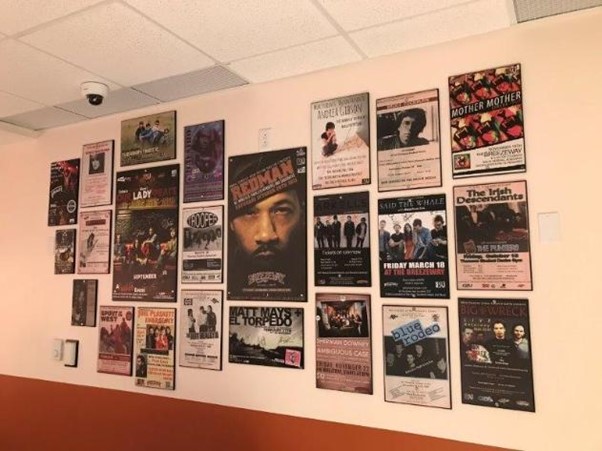
Let’s step into a time machine and head back to the good ol’ days when the Breezeway was the Beyoncé of university bars. Alum stories paint the picture of an epic hangout spot that’s probably responsible for a few blurred memories (thanks, booze). So, what changed?
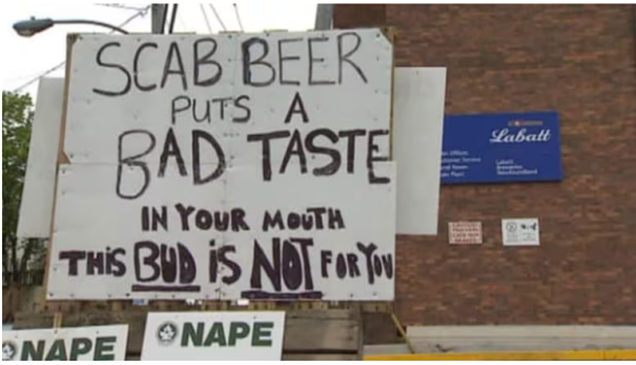
2013: MUNSU (Memorial University’s Student Union) decides to boycott Labatt beer at the Breezeway campus bar to support striking workers at the beer company. Beer loyalty, am I right?
November 2013: MUNSU loses a legal battle over the Breezeway Bar and gets slapped with a whopping $360,000 tax bill. Travis Perry, the director of finance for the student union, is so shocked he might’ve spilled his drink. It’s a classic “booze or lose” situation.
November 2021: The Breezeway suddenly pulls a Houdini act and closes down for months. No explanation, just a construction site vibe. We’ve all heard of “under construction,” but this was more like “gone fishing.”
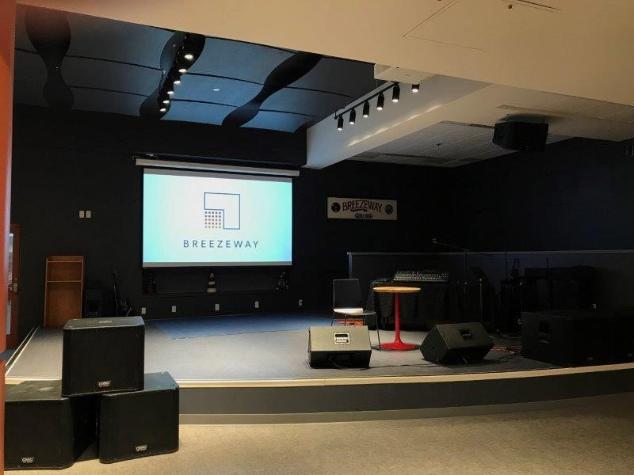
September 2022: Surprise! The Breezeway finally reopens with a bang. It’s got a fancy new stage, gender-neutral washrooms (they’re catching up with the times), and enough space for all your entertainment and study needs. Cheers to progress!
September 2022 (Part 2): MUNSU throws a “Grand Opening” bash, and it’s a hit. Open mics, old friends, and a buzzing atmosphere make it feel like a reunion. The baristas and bartenders are working overtime to keep the drinks flowing. It’s a “booze and schmooze” affair, and the Breezeway is back in business.
The lame bar today: A comedy of errors
On a slow Wednesday, the open mic – once the undisputed showstopper – had a list that sat empty for an entire hour after “Magic Mike” was supposed to shine. I headed to the bar and was greeted with what can only be described as… well, you’ll see.
Adam, the open mic host, had a sombre take on things. “We used to have sponsors,” he lamented. “I never left empty-handed. They even gave out lawn skiing chairs, for goodness sake!” But now, it’s a shadow of its former self, a humble abode for the remaining loyal patrons. I couldn’t help but ask, “What’s the deal?”
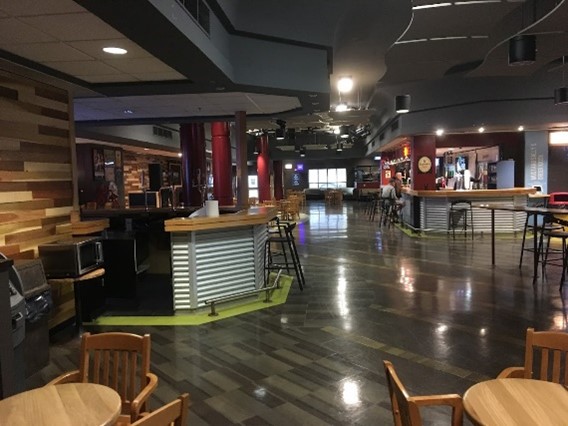
Adam pointed out some glaring issues. It’s been a year since the reopening, and people seem to have forgotten their way. The only bar on campus is a ghost town on weekends, with operating hours that make you wonder if they secretly want to discourage partying.
Eva, the bartender, hinted that the barista business is booming. But Era, another bartender, said they need the bar to thrive, too. (Make up your mind, Breezeway!)
So, what can breathe life back into this place, you wonder?
The initiatives: Analysis and customer feedback
From my Sherlock Holmes-level analysis, it seems MUNSU is making an effort to revive the bar. However, they might be missing a crucial element: listening to the people. It’s high time they tap into the customer feedback pipeline because if they don’t, the Breezeway might go from “jail or church” to “ghost town” faster than you can say “Magic Mike.”
CHMR News, the MUN radio station, is recruiting student volunteers interested in reporting for their 1-hour bi-weekly radio show Campus Connect to report on events and issues happening on all Memorial campuses.
Students will learn critical journalism skills, including reporting/interviewing and hosting techniques, editing on a deadline and producing audio pieces for radio.
Having your own laptop for editing is an asset, and the CHMR board training class is necessary prior to becoming a volunteer.
If you’re interested in volunteering, reach out to chmrnewsdirector@gmail.com for more details.
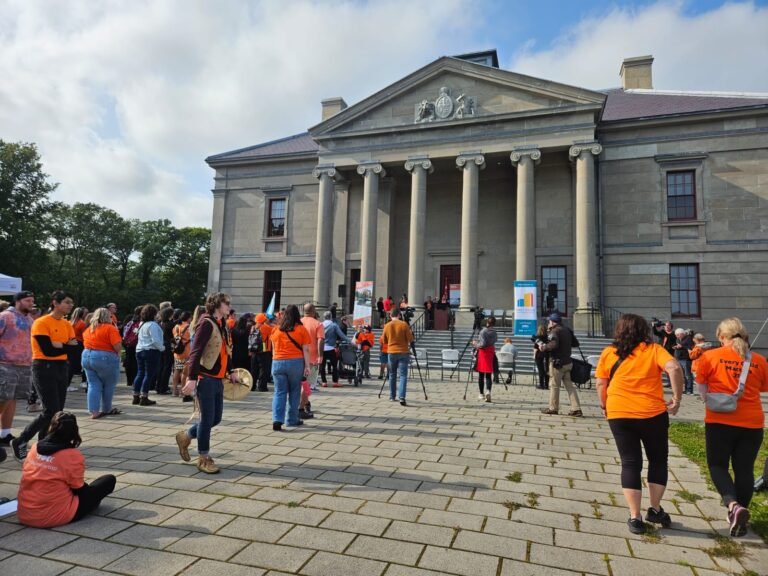
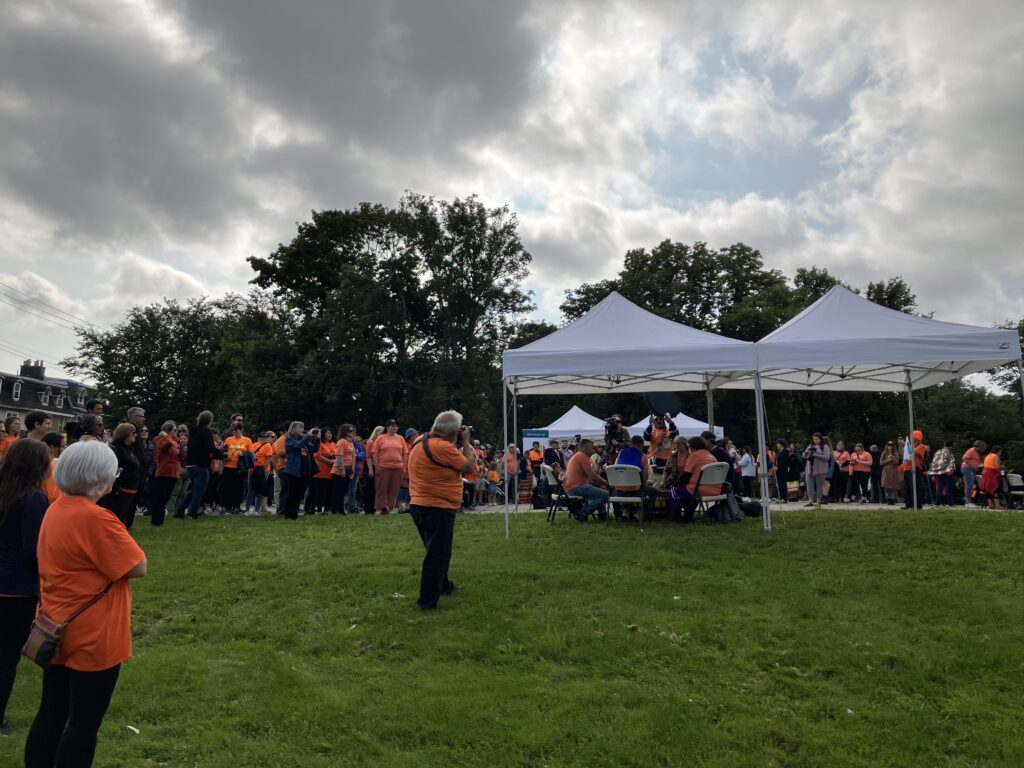
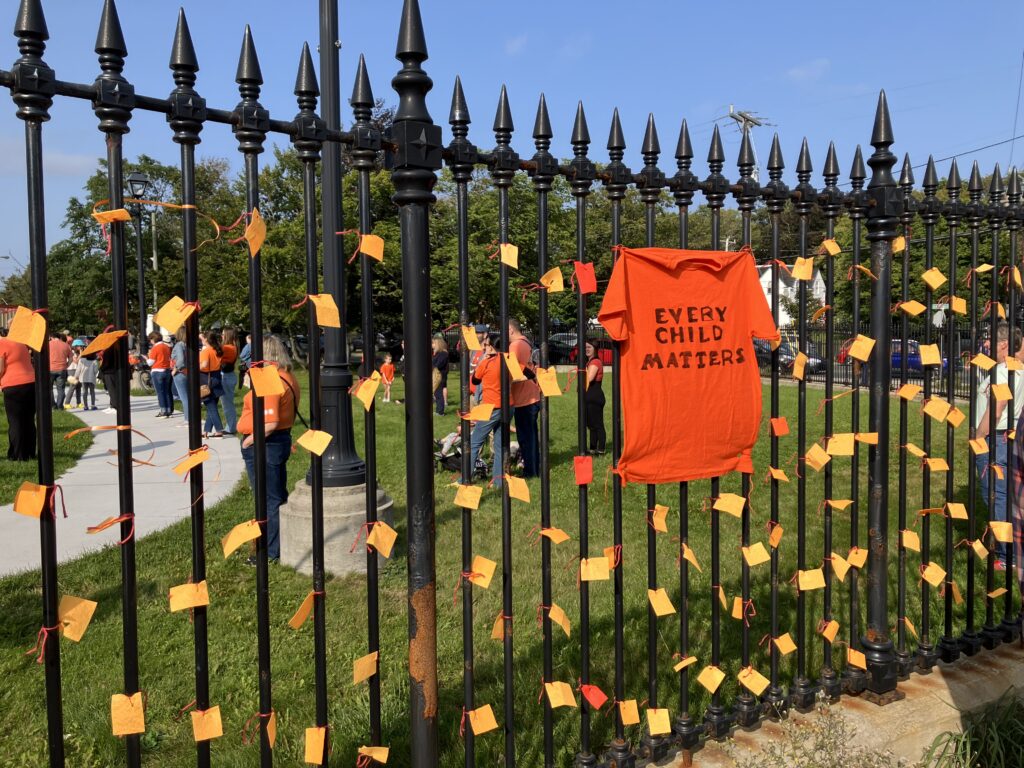
On the third annual National Day for Truth and Reconciliation, hundreds gathered, dressed in orange shirts, outside the Colonial Building in St. John’s to commemorate the victims and survivors of residential schools.
First Light NL, a non-profit organization dedicated to providing programs and services rooted in the revitalization, strengthening and celebration of Indigenous cultures and languages to Newfoundland and Labrador’s Urban Indigenous and Non-Indigenous communities, and First Voice, an urban-indigenous coalition launched by First Light in 2019, held the rally this year in honour of the victims and survivors.
Image credit: Sanuda Ranawake
Speakers at the event included Mi’kmaq elders, Inuit elders, residential school survivor Emma Reelis, along with politicians Minister Seamus O’Regan and Mayor of St. John’s Danny Breen.
The rally showcased numerous speakers, a smudging ceremony, and a traditional healing fire.
Inequity still a major issue
Among the many topics discussed, one of the most repeated was how much progress is still left to be made. An Inuk elder, who was a survivor themself, noted that “Indigenous people are more unemployed, more incarcerated and less educated.”
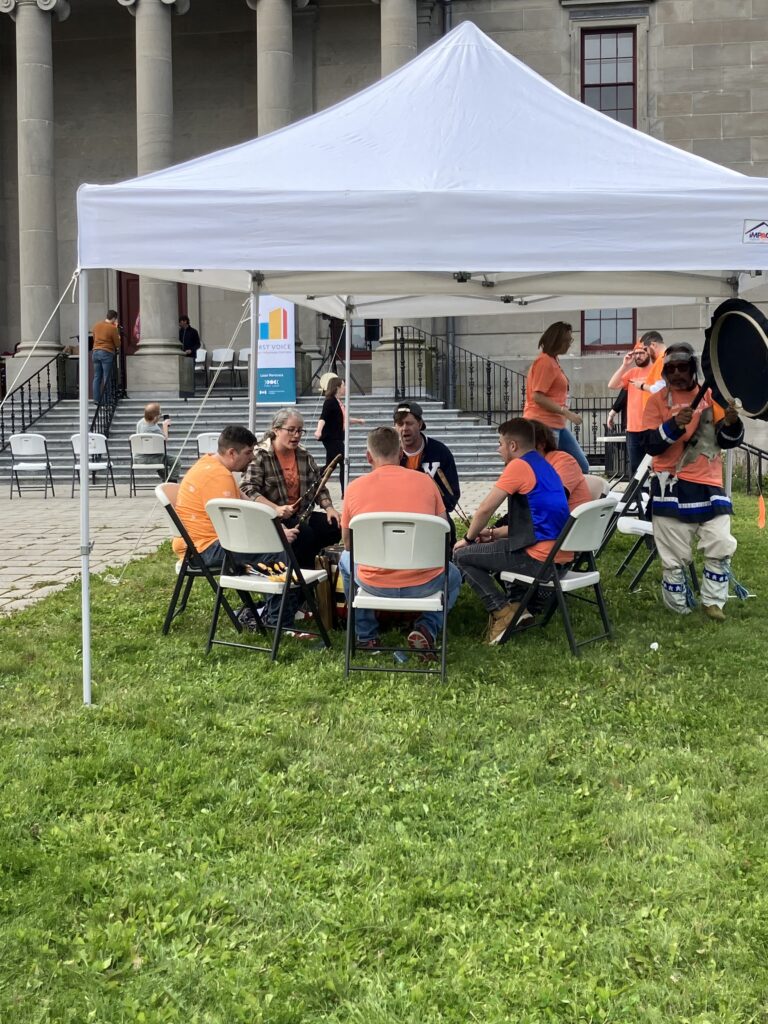
Drum circle (image credit: Sanuda Ranawake)
City of St. John’s Mayor Danny Breen also announced that the city supports all 42 calls for change called for by First Voice. Mayor Breen also noted that many of the calls directly require action from the city, making the commitment that the city will work directly with indigenous groups.
Wall of reflections (image credit: Sanuda Ranawake)
Smudging ceremony
Throughout the rally, volunteers walked through the crowd as part of the smudging ceremony to give everyone the opportunity to take part and share in their cultural practices.
Smudging is a traditional indigenous ritual that involves the burning of sacred herbs and/or plants as a way to cleanse a space, object or ourselves.
Traditional healing fire
A traditional healing fire was also burning near the gazebo at Bannerman Park. Members of the crowd were given the chance at the end of the rally to line up and release a prayer into the fire. People were encouraged to pray for those who don’t have a voice or those who weren’t able to be there.
The fire was said to represent unity and the act of bringing people together.
Residential schools
The biggest focus of the rally was to highlight the victims of the residential school systems, some of whom were present at the rally, and to recognize the generational impacts that they have had on many families.
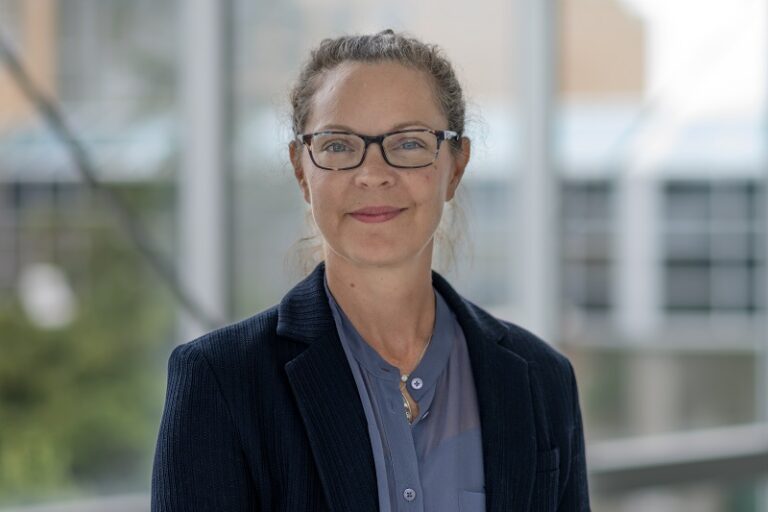
Dr. Jennifer Lokash was appointed interim associate vice-president academic in fall 2022 and provost and vice-president academic pro tempore in March 2023.
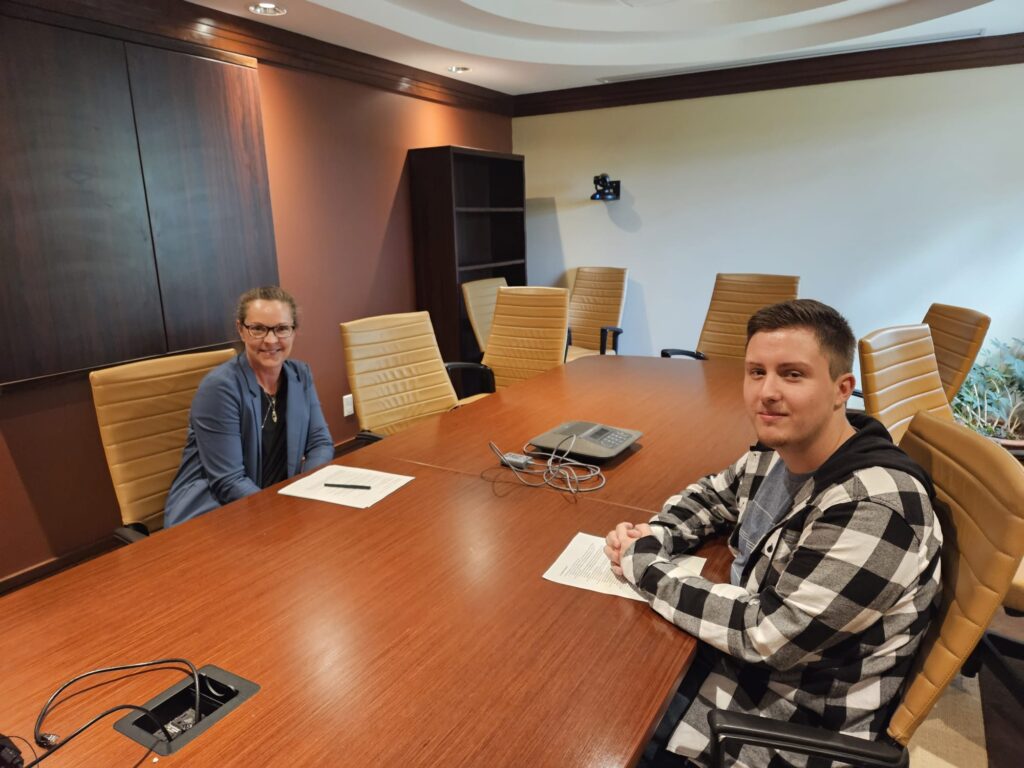
Recently the MUSE had the opportunity to sit down with Dr. Lokash and ask her some questions that have been on students’ minds.
Muse reporter Bruce March seated with Dr. Jennifer Lokash
With increased pressure placed on international students financially, will the university be opening up eligibility for first-year scholarships?
So, we actually have specific scholarships and scholarships for international students, and just to give you a sense, we’ve in the past few years given out approximately $350,000 to incoming international students, undergraduate students, that’s to say nothing of the graduate population, which is much bigger. So, we do have a pretty robust scholarship program for incoming International students.
We’ve increased the amount of those scholarships, they were $4,000, and they are now $6,500. We also offer something called the International Undergraduate Academic Award, and those are for students beyond first year. Last year, the amount of those were about $3,000 per award, I’m not sure what they’re going to be this year, it depends on the pot of money.
There is also special funding for students at risk, where we have students coming from places like Ukraine, Afghanistan or other countries that are experiencing turmoil.
Following the enactment of the collective agreement with MUNFA, can you provide an update on augmenting tenure track positions?
So when we hire tenure track faculty, we hire them essentially on a contract initially, and then over the years, every year for 6 years, that tenure track faculty member has to submit a file for review. So, there’s this annual review process that happens that looks at their contributions across their three main areas of responsibility which are teaching, research and academic service in community engagement.
So when we say, “How come you’re not hiring tenure track faculty members,” first of all, it’s a whole long process, and we are certainly hiring tenure track faculty members.
There has been a little bit of a lag in hiring after COVID, I think that’s something for us to keep in mind, and it also takes about a year from the time you would post a job to getting that person on the ground so it’s a very long and elaborate process.
With increased immigration levels and newcomers coming to Memorial to study, is the administration open to providing any support, or funding mechanisms?
The Federal and provincial governments provide certain supports in order to help facilitate people coming to Canada, so you know the province plays a role in that.
From the university’s point of view, we provide all kinds of support for new students who may very well become new Canadians. The Internationalization Office has all kinds of advisors, whether their immigration advisors, career advisors, or family advisors; there’s the international student work program- the ISWEP program.
There is lots and lots of additional support that we offer and provide regularly to international students.
Over the last few years, Humanities and Social Sciences has seen a decline in its budget and downsizing. What does this say of the quality of education and long-term competitiveness?
Interestingly you bring up HSS, which is my home faculty, I am originally from the Department of English, which is a large faculty in HSS.
This office, the Provost Office, works with every Dean. So, with the Dean of HSS on their staff component, their faculty component, their staffing plans for the year and we- our main goal is to ensure programs can be delivered effectively, so that’s how decisions around hiring and- you know whether it’s per-course instructors (PCIs) or contracts or tenure-track- that’s what determines those positions, what are the program’s needs.
So, I think you’re right. There has been a reduction probably in the number of elective courses for many programs. We are seeing some cases where it’s taking longer to complete programs because of this sort of- as you say, faculty coming and going. Some have left the university, no one has been terminated from the university, but there certainly have been some resignations and retirements.
So there may be the odd gap in programs, but Deans are empowered to try and fill those gaps with temporary PCIs and contracts when there is not an immediate ability to hire a tenure-track professor.
It may be accurate to say that the faculty is shrinking, but I certainly wouldn’t say there is an intention for the faculty to be smaller, it’s just a kind of a natural evolution really of the hiring cycle.
HSS has communications listed as having a Co-op program, however, that is not the case. Recently there have been some rumors that a co-op program may come to communications. Can you speak on that?
I can speak a little bit to that, actually, because I was head of the Department of English, and English administers the Communications Studies program. There isn’t a co-op program associated with the communications studies program. There is an internship course, and I’m not sure actually, since I left the Department of English, whether or not that course has been offered yet.
So, the course exists, and I think there would be the desire to put that course on- and I’m not sure why the unit hasn’t done that yet, but I wouldn’t say it’s a co-op program perse. I think students need to be advocating for that (the program); that is the type of thing the coordinator of the program, Dr. Dwayne Avery- he’s very tuned into what students want, he created that course in response to what students want, and I know he has the desire to offer that.
It may be a question of resources and having to offer certain other courses, and you know, if that’s not a required one, it may not make it into the rotation just yet. I think that’s a very important part of that program; there’s a lot of potential to strengthen that program.
It was announced that the Student Wellness and Counselling Centre (SWCC) would be losing its accreditation, the administration clarified that the doctoral residency program would remain accredited, but what does this mean for the SWCC at large? Especially given the staffing concerns raised by MUNFA,
That’s a really complex question that you’ve asked because there are a number of different things I just want to unpack there.
So, first of all, just to let you know where the accreditation process is, I just participated in the accreditation for the residency program. I met with the Dean of Students, Donna Hardy Cox and the accreditation team who came in to do a virtual site visit, they were full of praise for the doctoral residency program, and I have every confidence that accreditation will remain in place and we will get those results in October.
The residency program is a program within the counselling center, so when we talk about accreditation, it’s for the program and not the center itself. The counselling center is bigger than the programs that are within it, and it provides services- mental health- and other health services; there are doctors, nurses, and wellness navigators that the SWCC provides.
The SWCC has never been at risk of closing; it is not at risk of losing funding. If anything, we are looking at ways of increasing support for these services, recognizing how absolutely vital they are to student success. So, I think there’s been a little bit of misinformation that’s been out there on this topic.
It certainly got good attention because of this notion that the SWCC might lose its accreditation or have to close down- I mean, we’re talking about different things.
MUNSU recently delivered an engineering petition to the co-op office calling for a few changes to the program. What are your thoughts on this? Does the program need to be changed or updated in any manner?
So, the program has been changed a little bit over the last few months. I met with Jawad and Nick (of MUNSU), the President (Dr. Bose), Octavia (Dean of Engineering) and the Co-op Coordinator. We had a really good meeting about this; we were very happy to hear from the students about what their concerns were. As a result of that, the stipendiary work-terms amount that students are paid increased from $2500 to $3500.
The very, very few research work terms that have been offered in the last year, are kind of the lower end of the salary scale, the stipend was $1500, and now it’s $1750. So, hearing what the students are saying that it’s ‘not enough money,’ we are trying to bump those up a little bit.
Now I can tell you in the last five semesters of offering work terms there have been something close to 1700 work-term placements, and only 4 of those were lower research stipends, the vast majority of work terms have a pay in the range of $5000.
I think most of them are pretty healthy. The ones that have slightly less salaries attached to them or stipends attached to them, the faculty of engineering has heard what students said, the challenges that they’re facing financially, and they’re doing what they can to increase those stipends- I’m happy to see that, as a result of that petition and the meeting that has in fact happened.
So I think it’s also good to know that there is a diversity of work terms. There are lots of companies that are hosting them, but then there are the community work terms which I understand do pay a little bit less, but they are also quite popular amongst some students where they want to do that type of work. I think it’s important to offer a range.
Is there anything you would like to share with students that perhaps we did not cover, it can be anything at all,
Mostly I just want to say welcome to this new semester and this new year. It’s the first start of a new year in a number of years that has felt somewhat normal.
I was at the matriculation ceremony for incoming students. There were 1400 students, and it was a great, really positive vibe. It’s wonderful to see students on campus, really exciting to see people back on the ground, and as always, this office is delighted to be working with students, happy to work with MUNSU, and GSU and to answer questions that you have.
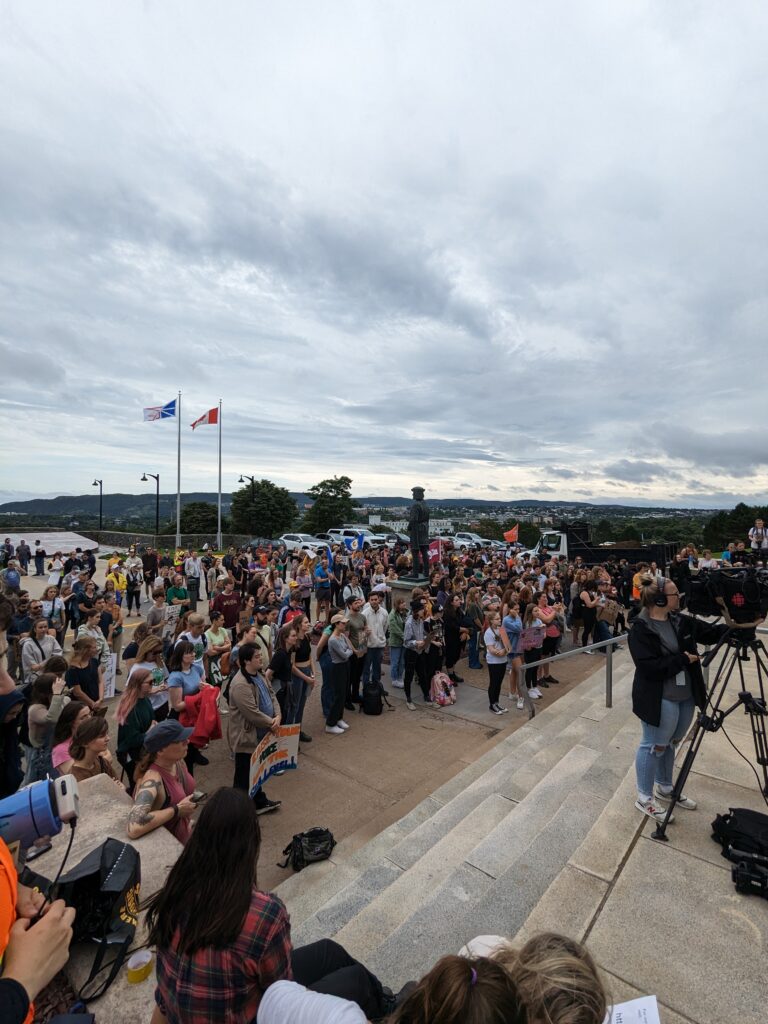
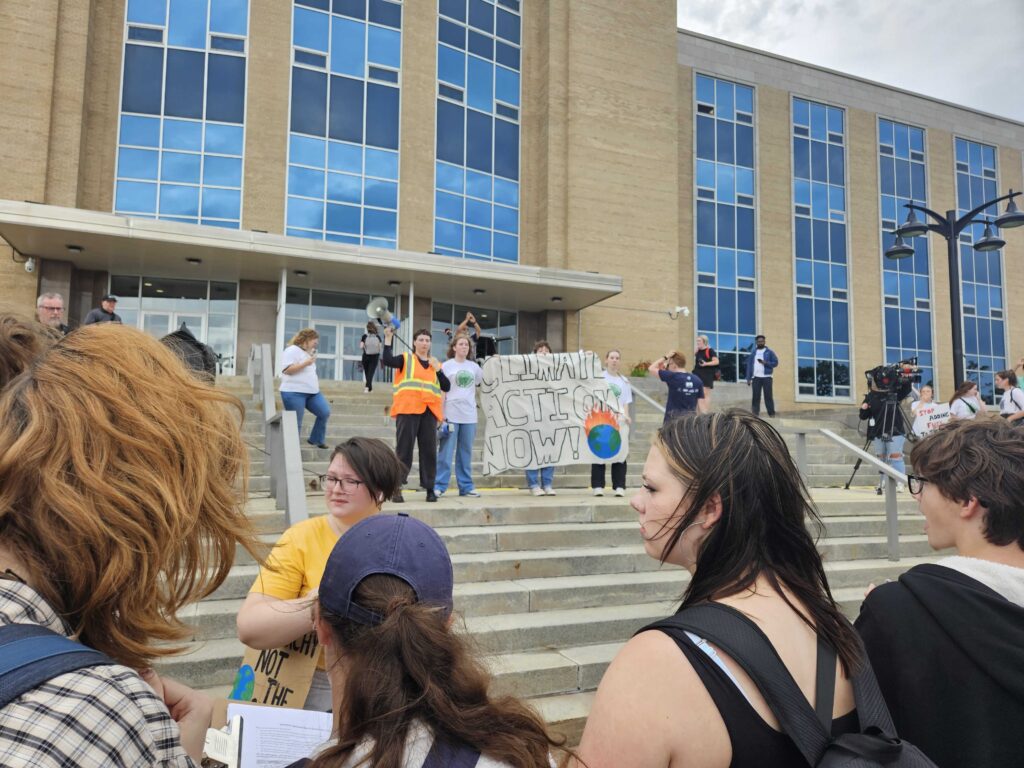
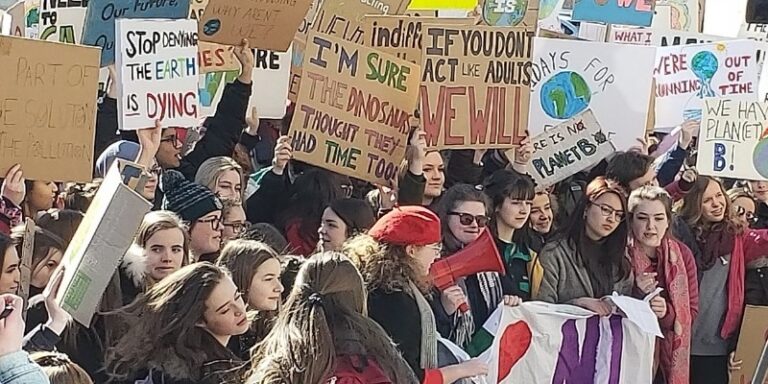
Fridays For Future St. John’s, a student-led movement, organized a protest demanding climate action. The protesters gathered at the MUN clock tower and marched to the Confederation Building.
To end fossil finance, which means to stop the Bay du Nord project.
An investment in community-owned renewable energy.
Divest MUN.
Large crowd gathers
While the turnout was much less than the iconic 2019 climate change protest in St. John’s, there was still a large crowd marching in support of the movement. The rally featured multiple speeches and a performance by three students.
Bay du Nord among the biggest offenders
Equinor’s Bay du Nord project was highlighted multiple times during the protest, with one protester claiming it as the “biggest example of hypocrisy by this liberal government.”
Other government-funded projects were also highlighted by speakers as being examples of the government funding oil and gas, $500 million in government funding to Suncor was among a few others mentioned.
The protesters also highlighted the lack of support for the indigenous community, especially with regard to the lacklustre attendance for the “Search the Landfill” protest held in St. John’s in early August.
Name-shaming people in power
Speakers at the protest also shamed MHAs who did not attend, namely MHA John Abbott and MHA Paul Lane, who declined the protesters’ invitation. Notable attendees included MHAs Lela Evans and Jim Dinn from the NDP and Liberal Minister of Environment and Climate Change Bernard Davis.
Protesters were also encouraged to email their MHA about the protest and the Fridays For Future movement.
Friday’s For Future St. John’s is holding a protest this Friday, September 15th, to rally against the use of fossil fuels and the subsidization of fossil fuels, as well as raise awareness and create a dialogue surrounding climate change and its impacts in our province.
Image credit: Fridays For Future St. John’s (via Facebook)
Importance for students
Sophie Shoemaker, a youth leader for the movement, states that it is especially important for students to attend and show their support for the movement, as climate change will affect our collective future.
Main goals
The protest has three main goals,
End the subsidization of fossil fuels.
For St. John’s to engage in community activities that support renewable energy.
For MUN to divest.
Changes and challenges
Fridays For Future St. John’s claims that this year’s protest will be more accessible for individuals with mobility and sensory disabilities.
With the intention this year of capturing much more media attention, they assert that they will still be maintaining the core message and purpose of the movement.
Academic amnesty
A major hurdle for the St. John’s movement, in preparation for the strike, has been getting academic amnesty from the Newfoundland and Labrador English School District, which as of Tuesday, September 12th, has been approved, provided students bring a signed permission slip to school.
MUNL has granted academic amnesty to students attending the protest.
The strike will take place this Friday, September 15th, at 1pm, with all protesters meeting at the MUN clocktower.
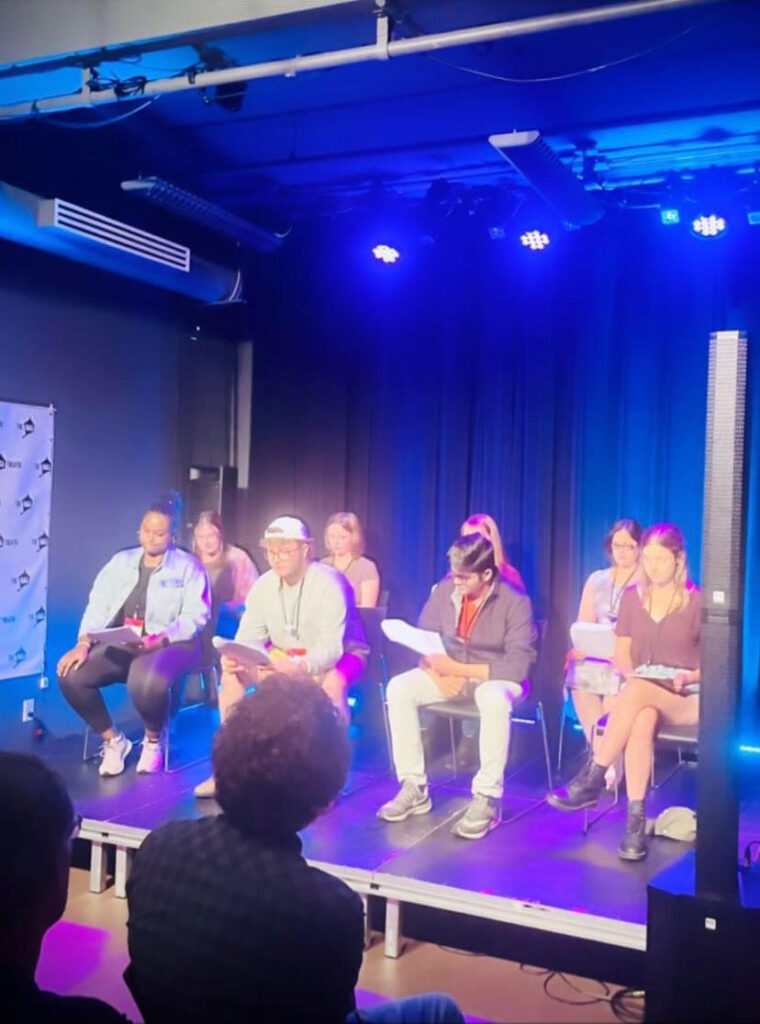
On September 6, “Citations Needed,” a play co-written by Daniel Lanigan O’Hara and Tanner Hudson, was read by MUN Drama at the LSPU Hall as part of St. John’s Shorts’ Short Play Festival.
MUN Drama performing Citations Needed at Public Play Reading
Daniel Lanigan O’Hara is an Undergraduate student at Memorial completing a double major in English and Communication, as well as a Diploma in Stage and Screen Technique.
When describing the premise of the play, O’Hara says, “It’s about a student studying in the university cafe, like Jumping Bean; that’s what I think of because that’s where I study all the time. I can’t handle study rooms and the silence, I have to be in a public area where things are happening. But when you’re in a public area, people feel no qualms at all about just coming up to and talking to you for two hours.”
He continues, explaining, “The idea was to take that little bit of frustration about things that happened to me. So, the whole short is this guy studying, trying to get his assignment done at the last half an hour before the deadline, and all he has left to do is his citations. It’s the last, most boring and tedious part of the essay,” says O’Hara, “and every five seconds, somebody’s coming up and taking his attention away. He’s just trying to shove everyone away, but it just keeps getting weirder and weirder until there’s this whole storyline going on completely outside of him, including weird conspiracies, and he’s just like, can everybody leave me alone, please?”
Initially, O’Hara had submitted the play himself to the festival and was not accepted. It was then that he decided to approach MUN Drama, a student group that he is a member of. MUN Drama had been accepted into the festival for the opening night of the Public Play Readings and had yet to decide what they would be performing. O’Hara suggested they perform a reading of “Citations Needed,” and they agreed.
He explains, “Initially, I was like, okay yeah, I didn’t get in, I’ll take the loss on that one and hope for next year, but nobody else had any ideas that would involve as many people— I just happened to have something.”
While being involved in the festival in any capacity is exciting, O’Hara explains that he hopes, eventually, to see the play put off as a full-fledged performance.
“It is kind of sad that we got a reading and not one of the actual slots because what I ended up writing I’m really proud of,” he explains. “It’s so animated, there’s going to be so many characters running across the stage in an actual do of it, but this is just going to be a reading. We’ve talked about the idea of actually putting it off. I do believe there’s like a 90% chance that we’ll put it on again.”
The St. John’s Short Play Festival will continue until September 17th, with numerous short plays being performed on Thursday through the weekend.
O’Hara says that the festival is different than most in that it accepts application entries from anyone and everyone.
“A lot of festivals, usually, you have to have some kind of prestige first in order to get in,” explains O’Hara, “This is like, it doesn’t matter if you’ve just arrived in the country and no one knows who you are and you have no idea who you are or if you’re Terra Bruce, a big company, you have the same chances.”
“They give a little bit of leeway to indigenous writers, and there are a few different lottery pools for stuff like that. Even the people who are on the board doing everything, their plays might not get selected. They keep really true to it; it’s really cool. That’s why it’s built so much mystique and respect in the arts community; I think the entire play world stops for a second when the Shorts are going on, at least around here.”
The Short Play Festival will continue this week from September 14th-17th. To check out the performance schedule or buy tickets, visit their website: http://www.shortplaystjohns.ca/
If you’re interested in joining MUN Drama, you can reach out to the society through one of the following:
Dr. Delores V. Mullings was appointed as the vice-provost of Equity, Diversity, Inclusion and Anti-Racism (EDI-AR) on August 27, 2021, for a five-year term.
In a recent interview with the Muse, Dr. Mullings gave insight into the EDI-AR office, its purpose, and the progress they’ve made thus far.
Purpose and importance of the EDI-AR office
Dr. Mullings has been in the position for almost two years now. Since beginning the role, she says the implementation of the office has been a slow process.
“With the appointment in this office, we’ve been a little slow in getting the office off the ground,” says Mullings, “As you know, whenever you start anything new, it comes with its pluses and areas of improvement.”
There have been numerous obstacles over the last couple of years. With the faculty strike and new president, among other administrative changes, it’s taken longer than expected to fully establish the office at the university.
However, over the last few months, Dr. Mullings says she has seen a change in the support for the office. Since April, the office has filled five new positions.
“We have a permanent executive assistant, a program manager that was renewed, a policy analyst who is focusing exclusively on policies in the environment and specifically a human rights policy; we don’t have one at Memorial, so we’re getting there, and we have a communications advisor basically to let people know that we exist,” she explains, “For the first almost year and a half, nobody knew we existed or what we were doing.”
There are various developments and achievements to celebrate. The office is now moving into a permanent location, where they will have a dedicated space to focus on their current projects, including the creation of a digital database in partnership with the university library.
“We’ve got so many bits and pieces going on,” says Mullings. “We’re coming out soon with a digital database that’s going to be accessible all around the world, where people can look to find EDI-AR-type material— from policy to literature. We’re developing lots of partnerships. We’re also partnering with ARC-NL and all campuses across Memorial to do research on accessibility through a racial justice lens. We are very excited to be doing this work.”
In our interview, Mullings explained the importance of the office to the university, saying, “In appointing me to this position, the competitive process is just basically in line with the rest of the country and other cases across the world that recognize the importance of ensuring that the people who are working for us and the students who are coming to get an education feel a welcoming presence on all campuses, are treated with dignity and honour, and feel as if they have a sense of belonging– that they have a place here.”
The strategic plan
The establishment of a strategic plan was one of the first things on the vice provost’s to-do list. The office’s first step with the strategic plan was to set up consultations with faculty, staff, and students across campus to get feedback and insight into their experiences at the university.
“[The strategic plan] was one of the first things I wanted to get done when I went in the office, but that was not the case. Last September, we started speaking to people about what they thought about Memorial’s EDI-AR infrastructure and current situation. We finished speaking with people this past June,” she explains. “ In between that, we’ve had some pauses in terms of the strike or labour disruption. There were some gaps with people being off on leave and those kinds of things; it doesn’t look linear in terms of when we started.”
“We finished this past June with massive amounts of consultations from all campuses, all constituents. We had sessions with students, faculty, and staff. We had surveys for the same groups, and because we didn’t get enough feedback from students, we held a second round of surveys just for students, and that was successful. We bugged the living daylights out of students. We were all over the UC; that worked out well for us.”
When asked about the timeline for the implementation of the strategic plan, Dr. Mullings explains that while she would have hoped it would already be in place, unfortunately, that is not the case.
“What’s going to happen is once we get the report back, we’ll go into phase three, and that is developing the strategic plan itself because a report is not the plan,” she continues, explaining, “We develop the report, the strategic plan, and the guidelines and after that, then we develop metrics for how we’re going to hold people accountable and how we’re going to make sure that we’re being successful.”
The “What We Heard” report
The EDI-AR office, through numerous consultations, has now spoken with almost 2000 faculty members, staff, and students. The culmination of all these consultations has resulted in a massive amount of information to sort through.
Dr. Mullings says that in light of the incredible amount of insight and feedback, the office is now in the process of hiring a research analyst to help put together a “What We Heard and What We Learned report.”
She explains, “We’re not saying it’s a what we heard report because, boy oh boy, did we learn. Also, not everybody can hear, and we need to be mindful of that too.”
The office is hoping to have the report finished in the fall, as the information in the report will be a major driving factor in the implementation of the strategic plan.
Reporting discrimination on campus
When it comes to reporting discrimination on campus, Dr. Mullings says that the student non-academic route is the most common route taken by students. She explains that “There’s a whole policy that speaks to the different processes about what happens or what should happen when a student reports experiences of discrimination.”
If a student wants to register a complaint against a student, the process follows The Student Code of Conduct.
If you are unsure if a fellow student has violated the student code of conduct or have questions about the process, you can reach out to Kyle Langille (Advisor, Student Code of Conduct) via Phone: (709) 864-3489 or Email: kylel@mun.ca.
If a student wants to register a complaint against a faculty member or university employee, the process follows The non-academic appeals process.
However, Dr. Mullings very clearly emphasized her understanding that it is not easy for anyone, especially those who are disadvantaged, to report incidents of discrimination. Students are dependent on members of the university community for grades, labs, and work placements, so reporting is never an easy thing.
When discussing her hopes for how the office can help in these instances, she says, “One of the things that I am really hoping to turn the corner around is to have policies in place, it’s not here yet, but to have policies in place where anyone can report to this office. It starts off being anonymous, and obviously, my portfolio would have people who are well-versed and qualified in handling instances of discrimination.”
The human rights policy, currently in its development stage, is another avenue students will have when reporting discrimination. With this policy, Mullings says, “It’s not only you report something, but you report something, and there are consequences attached to that, whatever the findings are.”
These developments have not been advertised because they are not yet available to students. While the office may not have the capacity to directly offer resources to students, Mullings says,
“We cannot wait to have that capacity with that policy— We’re really excited to move into our office in, I would say, September or October, and people can still come in and chat with me or someone else even if we don’t have the policy to support them yet. It’s very informal in that case; we’re not going to file anything because we don’t have the capacity, right, we don’t have the infrastructure.”
The Scarborough Charter
On November 18th, 2021, Memorial signed the Scarborough Charter along with more than 40 other post-secondary institutions. By signing the Charter, post-secondary institutions across the country are committing to take action and eliminate barriers for black scholars, students, faculty, and staff.
In regards to the work accomplished in line with the Charter, the vice-provost says,
“I’m going to be frank. We haven’t really done anything since we signed in 2021. Last year we really focused on the strategic plan, and because we were so under-resourced, we were not able to take on big chunks of projects. So, while the Scarborough Charter was one of the priorities last year, the strategic plan sort of overwrote it. I think, for me, in this position, that strategic plan is going to be an umbrella for everything, and so, we are going to go back this year now to the Scarborough charter.”
Mullings says that thanks to the Charter, “We’re now in touch with other universities who are a bit more seasoned in their EDI-AR work, and we can learn from them. We can also learn specifically about so many things that they’re doing to address anti-black racism and black inclusion.”
“We are in the process, actually, now that we’re back with a bit of a focus of doing an anti-black racism scan,” she explains, “That’s one of those things that would show up in the Scarborough Charter in terms of taking feedback from who’s on campus and what we need to do.”
Community table talk
Image credit: Memorial University (via website)
Even before being offered the position, Dr. Mullings was adamant about the importance that whoever is in the role needs to demonstrate transparency in the processes of the office.
She explains that while building the office and establishing its resources has been a longer process than expected, she remains committed to transparency with the university community.
“One of the things I can do, without having a lot of resources, is talk to the whole community once a year, and that’s what the community table talk is all about,” she explains. “We did one last year where we did a full update on what we’ve done, what we’re going to do, and what our priorities are. We’re having one again this year, and that’s at Grenfell.”
The Community Table Talk will be held in person at Grenfell Campus on Sept 28th, 2023, from 12:00-1:30 p.m. However, all students are also able to attend the event virtually via the following Webex link:
With an overall goal of transparency with faculty, staff and students, the Community Table Talk offers the opportunity to get direct insight into the ongoing efforts of the EDI-AR office in making our university a more welcoming environment.
Editor’s note: Special thanks to Dr. Delores V. Mullings for taking the time to speak with the Muse.
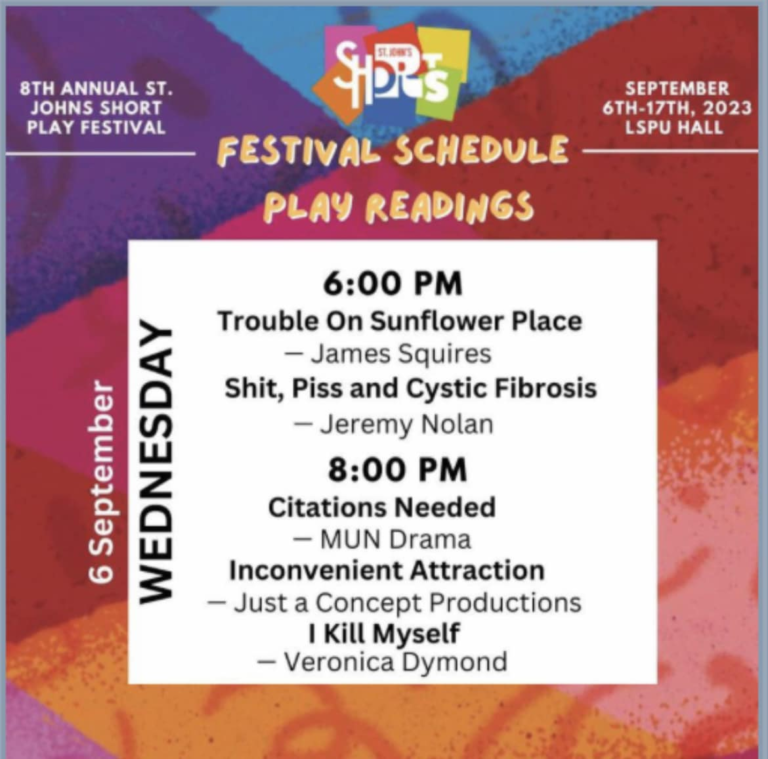
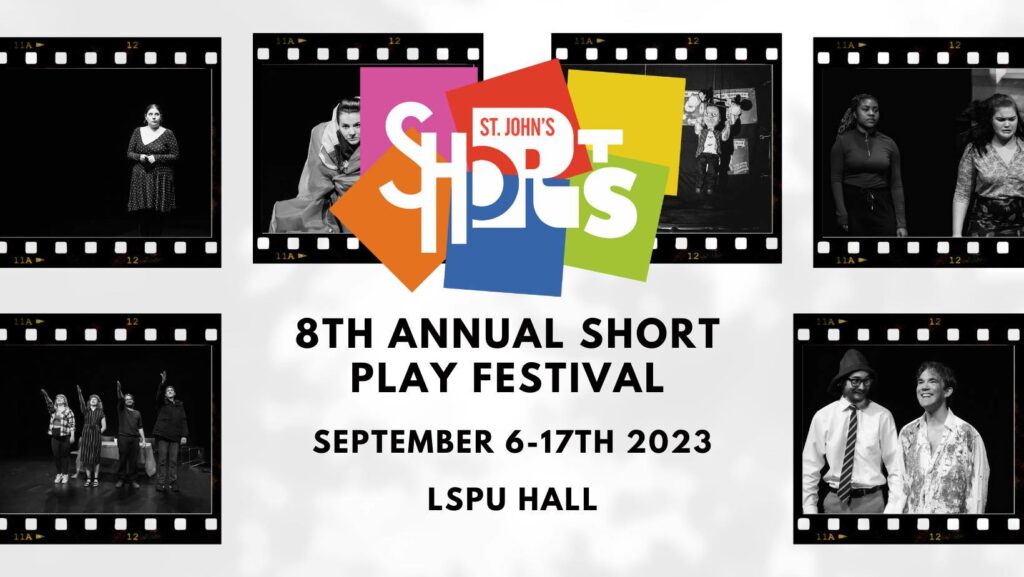
Opening on September 6th, the 8th annual Short Play Festival will run until the 17th at the LSPU Hall.
The festival will consist of five public play readings, a show written for younger audiences (TYA) and fifteen main stage performances.
Image credit: St. John’s SHORTS (via Facebook)
The festival kicks off with the public play readings, beginning at 6:00 p.m. and 8:00 p.m. on September 6th at the Cox & Palmer Second Space at LSPU Hall. The opening will also feature performances from Xia-3 and Valmy at 6:00 p.m. and 8:00 p.m. respectively.
Main stage shows run Thursday-Sunday from September 7-17 at 8:00 p.m., along with matinee performances at 2:00 p.m. on Saturdays and Sundays. A show written for younger audiences (TYA) takes place at noon on Sunday, September 10 and 17.
Tickets are only $20 for General Admission and $15 for Students, Artists and Seniors and can be purchased through the LSPU Hall’s ticketing system. For the public readings, the tickets are PWYC (Pay What You Can), and the TYAs shows will be free.
(*If the cost is prohibitive to attend the show, please reach out to: assistantproducer.stjohnshorts@gmail.com, and arrangements will be made for you to come.)