Are you tired of the bitter, unforgiving wind? The cold, ruthless snow? Or, tired of shovelling yourself out of the house? Treat yourself with a delectable, specialty hot chocolate.
Or two. Or eighteen. You deserve it!
The first Hot Chocolate Festival, similar to the downtown burger battle, is on now in St. John’s. The festival is a fundraiser for the NL Queer Research Initiative, which began on Monday, January 26th and will conclude on Sunday, February 15th.
Participating vendors have crafted specialty hot chocolates with a plethora of tasty toppings and innovative themes. You can also vote on the best tasting hot chocolate.
Participating vendor Bagel Cafe’s “Strawberry Dream” Hot Chocolate. (@bagelcafe.709/@hotchocolatefestyyt on Instagram.)
Not only does the festival create opportunities for community and connection during the long winter days, it also supports NL Queer Research Initiative, a local nonprofit organization.
Through their work, the organization is committed to ensuring that 2SLGBTQI+ history and research are preserved and made more accessible throughout Newfoundland and Labrador.
For each purchase, $1 will go to the NL Queer Research.
Participating vendor Toslow’s “Campfire Cocoa” Hot Chocolate. (@tos.low/@hotchocolatefestyyt on Instagram.)
Here are all of the participating vendors for the inaugural hot chocolate fest:
• Bagel Cafe: “Strawberry Dream”
• Bibi Bistro: “The Parisian Duo”
• Bistro Five 15: “Caramel Brûlée Hot Chocolate”
• Boreal Cafe: “Hazelnut Hot Chocolate”
• Coffee Matters: “Spiced Caramel Hot Chocolate”
• Craig’s Cookies: “Craig’s Specialty Hot Chocolate”
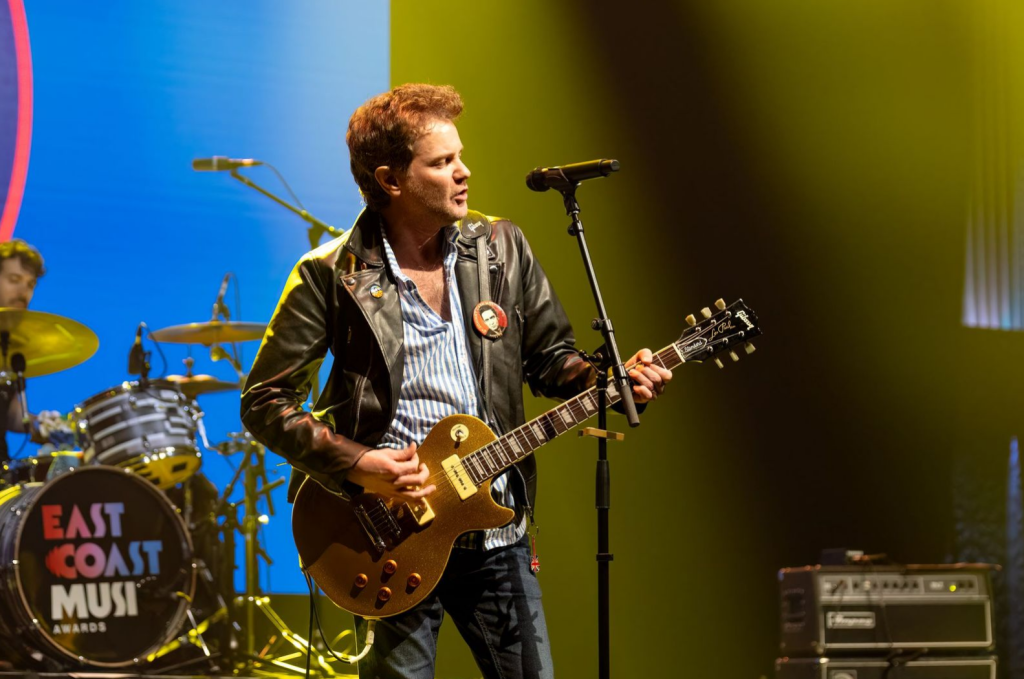
The East Coast Music Awards (ECMAs) have unveiled the 2026 nominees, and Newfoundlanders and Labradorians swept the shortlists this year with 36 nominations across music and industry categories.
Two household names Kellie Loder and The Irish Descendants, earned Album of the Year nominations for their records Transitions and Those Were the Days, respectively. Loder previously won Songwriter of the Year and Fan’s Choice Entertainer of the Year in 2023, and The Irish Descendants’ list of accolades spans past ECMAs and the Junos. It’s safe to say that both acts have a fair chance at the title.
French act Port-Aux-Poutines and music educator Heather Feather are nominated for Children’s Artist of the Year, and Jim O’Leary was named for Classical Composer of the Year, along with Andrew Staniland and Bekah Simms. Classical Release of the Year shortlisted MAIER FRANCK SCHUMANN: Sonatas for Violin and Piano, by Duo Concertante.
Country Release of the Year earned Mallory Johnson one of many nominations for her album Over the Party.
What I Gotta Be got electronica artist and DJ, potem, a nomination for Dance Release of the Year.
The 2026 TD Fan’s Choice Entertainer of the Year Award nominated musicians of various genres: Kellie Loder, Mallory Johnson, Bailey Jordan-Neil, and Rachel Cousins. Newfoundlanders make up four out of the eleven nominees in this category.
The 2026 TD Fan’s Choice Video of the Year Award also nominated a few Newfoundlanders: Justin Fancy for “Break My Heart Again,” Kellie Loder for “When We Kiss,” and Mallory Johnson for “fck that.” This category promotes the swiftly-dwindling art of the music video – seriously, as a 2000s kid, bring them back!
Both ‘Fan’s Choice’ categories are decided via public voting, which opened on January 28 and will close on March 31.
ECMAs 2025 (Contributed)
Folk Release of the Year nominated Justin Fancy’s Shelter From the Storms, and Mallory Johnson’s Over The Party. Claire Porter was nominated for Fusion Release of the Year for her record Time Alone.
Interworlds by XIA-3 and Clareia (Live) by Ana Luisa Ramos were named contenders for Global Music Release of the Year, incorporating musical elements inspired by their respective cultural backgrounds.
The title of Jazz Release of the Year may go to Seascape by the Atlantic Jazz Collective, featuring Norma Winstone and Joe LaBarbera, or Time Alone by Claire Porter.
Loud Release of the Year (which is Award Ceremony-speak for punk or metal), nominated The Order of the Precious Blood for their album Dark Hallucinations.
Rachel Cousins earned a Pop Release of the Year nomination with Nora.
Producer of the Year nominated Daniel Adams and Clint Curtis for their prolific contributions to local musicians’ endeavours.
Judith Ifeadi earned two nominations for African Canadian Artist of the Year and R&B/Soul Release of the Year for Fooling Me.
A generalized Release of the Year category named Kelly McMichael’s “Open (Hurts to Have a Heart)” and Mallory Johnson’s “the circus” as award contenders. Rock/Alternative Release of the Year nominated “Nostalgia Attack” by Nick Earle and the Reckless Hearts, and “Interworlds” by XIA-3.
Kelly McMicheal was nominated for Solo Artist of the Year, and Kellie Loder and Rachel Cousins for Songwriter of the Year.
ECMAs 2025 (Contributed)
The Irish Descendants were also nominated for Traditional Release of the Year with Those Were The Days.
Annual St. John’s alternative music festival Lawnya Vawnya earned a nomination for Event of the Year, a fitting accomplishment to mark their 15th anniversary.
Hilda Cousins and Roger Lockyer were nominated for Artist Management of the Year, and Ben Chapman-Smith for Innovator of the Year for his unique approach to music education, combining practical lessons with artist development.
VOCM host Greg Smith earned a nomination for Media Excellence, while Matt Dines‘ name was put forward for Recording Engineer of the Year. Nick Decker earned a nomination for Technical Excellence, and photographer Sandra-Lee Layden made it on the shortlist for Visual Artist of the Year.
This adds up to 26 nominations for music, and 10 for industry awards, making Newfoundland and Labrador the most highly-nominated province in the ECMAs this year.
The 2026 awards ceremony will take place in Sydney, Cape Breton, from May 20-24, and it’s looking promising for our immensely talented province.
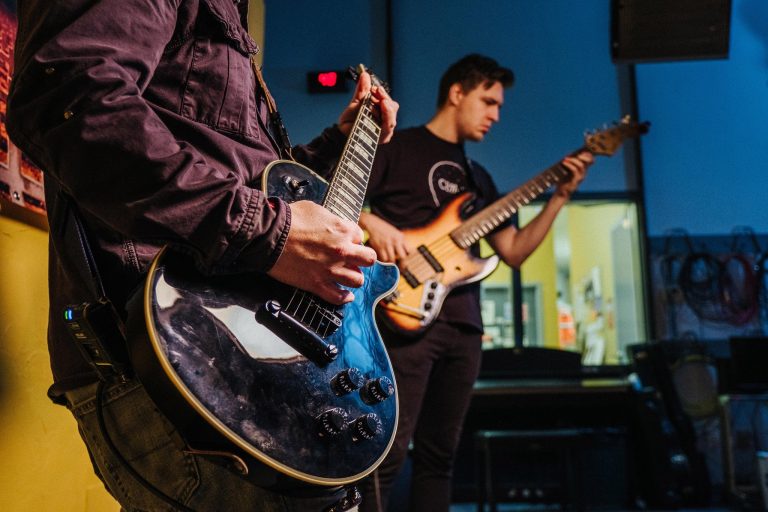
Gather ’round, young warriors, now and saddle up your steeds; Newfoundland’s Metallica tribute band, Metal Militia, has announced a show at the Rock House.
Metal Militia has been playing shows between St. John’s and Corner Brook since 2019. The band brings an incredible variety of hits like “Master of Puppets” and “Enter Sandman.” They also play some deep cuts that Metallica themselves have seemingly forgotten about, such as “Jump In The Fire” — a song that has only been played four times since November 2010, and not once since April 2016.
The band played last in Corner Brook in December, 2025, drawing their setlist from various albums like Kill ‘Em All and ReLoad. This time around, the band is promising a show featuring songs from Kill ‘Em All to the self-titled Black Album.
As of right now, Metal Militia appears to be the sole act on the bill. Organized by Steady Entertainment, the show is scheduled for May 9, 2026. This is a 19+ event, and the band will take the Rock House stage at 9 pm.
This is a great event for rock and metal fans to sing and mosh to the songs from one of the most influential metal bands on the planet. It also serves as a great warm-up for the coming of Canadian rock band Three Days Grace, who will play a two-night run of shows at the Mary Brown’s Centre just a few days later on May 11.
It is an absolute can’t-miss night for not only metal fans, but music fans in general, and some might say it has the potential to be the biggest show at the Rock House this year.
Most people might assume that a film about professional wrestling would have about as much appeal and dramatic depth as a circus.
Throw in an ex-teenage heart throb some haven’t seen since Dirty Grandpa, or worse, High School Musical, then any idea of a thought-provoking movie about the effects of grief and abuse seems near impossible.
If that’s the case, director Sean Durkin has taught us a lesson on balancing expectations and what is possible in film with his 2023 motion picture, The Iron Claw.
Starring Zac Efron as Kevin Von Erich in this biopic sports drama, Durkin takes your expectations to the chopping block, delivering a story steeped in the complexities of family relationships, while encapsulating the power of brotherhood and the juxtaposition between toxic and healthy masculinity.
The film tells the story of the Von Erich wrestling dynasty and all the interpersonal conflict that accompanies the physical. Fritz (Holt McCallany), the father of the Von Erich boys, is a perpetual whip on the backs of his sons, pushing them towards successful wrestling careers.
Zac Efron as Kevin Von Erich (IndieWire)
While not your ‘typical’ version of paternal torture, Fritz’s constant pressure for his sons to succeed also serves as a constant reminder of what he sees as their shortcomings, or his own.
In the shadow of his father’s obsession, Kevin dreams of a future with his brothers Kerry (Jeremy Allen White), David (Harris Dickinson), and Mike (Stanley Simons), whether that be in or out of the ring.
With the addition of love interest Pam (Lily James), we get to see the relationships around Kevin change and grow, how he deals with the family ‘curse,’ and the unfortunate circumstances that will come about.
The Iron Claw does several things quite well. The cinematography captures the emotions of the actors, effortlessly communicating the importance of a scene without shoving the messaging in the viewer’s face. The use of colour is also executed beautifully.
Akin to Damien Chazelle’s Whiplash, the yellowy colour scheme lures the viewer into a false sense of security, while also projecting youth and innocence in its more light-hearted scenes.
The soundtrack leaves nothing to be desired either. Tom Petty, Blue Öyster Cult, Eddie Money and Canadian legends Rush? Let me pick up the moniker Tom Sawyer and hop in the ring myself.
But even despite these heavy hitters on the soundtrack, the youngest Von Erich brother, Mike’s song Live That Way Forever, outshines them in the context of this film.
On top of all this, the film is based on a true story about the real-life Von Erich family. The biopic stays reasonably faithful to the source material and closely mirrors the reality of notably important events, so keep that in mind before you go looking for the true story; it contains spoilers.
This movie accomplished everything it set out to do. It tackled multiple themes of differing conflicts with so much fluidity and subtly without crowding the story. Grief, love, and masculinity are fleshed out in due course through the film’s runtime, with a conclusion that gives the story the justice it deserves.
Whether you’re a WWE fanatic or a cinephile, this movie will have you on the ropes.
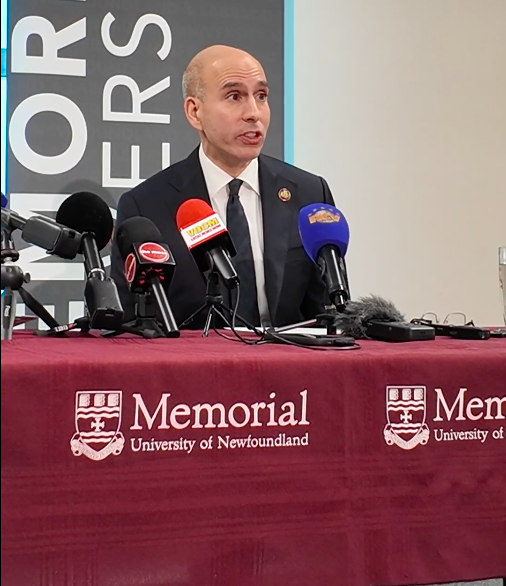
Yesterday at a press conference at the Bruneau Centre, MUN President Janet Morrison, alongside Chair of the Board of Regents Justin Ladha spoke on the decision to sell both the Signal Hill and Harlow Campuses, the Johnson Geo Centre and the Ingstad building.
Why divest?
Ladha began the press conference by re-iterating the points he made in the press release, talking about what he says is a “disciplined, intentional approach to financial stewardship” the Board is taking.
Ladha said Memorial is “taking new measures to evolve into a more student focused, research intensive and financially resilient University,” and that by reducing investment in non-core assets, they can “further protect academic delivery, better maintain our infrastructure and ensure we [the board] remain well-positioned to support Memorial’s current and future learners.”
President Morrison said she wants “to acknowledge that this news will be disappointing for some, but Memorial must be responsive to the pressures we are facing and steadfast in the pursuit of its academic mission.”
She continued, “by making courageous choices now, we are positioning our University to be stronger, more focused and more resilient for the generation of students and scholars yet to come.”
Both President Morrison and Ladha said in their opening remarks that these infrastructures are “not central to Memorial’s academic mission.”
President Morrison said that “the challenges that Memorial is facing, decreasing enrolments, declining revenue, increasing costs, aging infrastructure, changing labour market needs and a world increasingly defined by disruption.”
She also iterated that this decision to pursue divestment of these assets is “not a value judgement on the quality of work done in these areas, nor does it mean that activities and units within those buildings will end.”
She said that it this move reflects concerns raised by the auditor generals report in January 2025.
The future of these buildings and what it means for MUN
According to President Morrison, there are “no immediate layoffs associated with today’s decision.” She continued, “programming and services will continue while planning unfolds.”
When completed, President Morrison expects the divestment of these assets will “reduce our footprint by about 160,000 square feet and result in a reoccurring annual operating expense reduction of $3 million a year,” and that “further and overtime, the University deferred maintenance liability will be reduced by an estimated $20 million.”
The potential revenue from the sale of each property has “not yet been determined” according to President Morrison, but she did mention that net proceeds from the sale of the Harlow Campus will be “reinvested to ensure global learning opportunities are more accessible and more equitable for a broader array of students in Newfoundland and Labrador.
Too much real estate?
Ladha touched on the fact that Memorial has “a lot of real estate” and said that they must be “more efficient” with their utilization of the real estate.
He continued, “in so doing, we are confident that we can deliver the important mission of Memorial to the people of this province and all our learners, while doing this, and we have to continue to look, because every time we find an efficiency, that allows us to realize upon that, but still keep excelling our academic space, we’re doing a service to the people of the province, we’re being efficient with the use of their money, and we’re bringing this university forward.”
Harlow Campus
President Morrison said that the learning experience at Harlow is “transformative,” but that only less than “one percent” of Memorial’s total enrolment population is able to attend the campus per year, however, the University is commited “to ensure that those types of learning experiences are more accessible to more students as we move forward.”
According to a statement in the Gazette, “academic programming and events at Harlow Campus will continue until Aug. 31, 2026.”
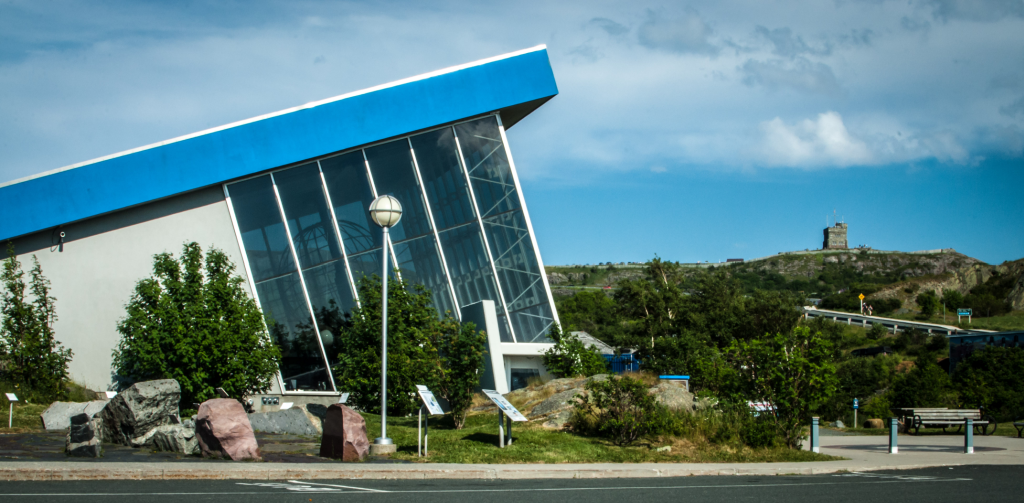
The Geo Centre
In 2019, MUN accepted a donation from the Johnson family for the Geo Centre, which was supposed to help the University build greater community connections while enhancing teaching, learning and research.
When MUN accepted the donation, President Morrison said the expectation was that the Geo Centre would be “cost neutral” and that operations would be “self sustaining,” which, according to her, has not been the case.
She continued by saying the expectation with divesting from the Geo Centre will reduce the University’s operating expenses by around “$670,000 a year” and relieve the University of deferred maintenance costs of around “$4.5 million.”
According to a statement in the Gazette, “GEO Centre will reopen as usual in April following its seasonal closure. If a sale or transfer is not completed by December 2026, operations will cease and the building will close.”
Geo Centre will close in December 2026 if a sale or transfer is not completed. (Memorial)
Signal Hill Campus
It is unclear how long Graduate students will remain at Signal Hill residence. In a statement published in the Gazette, it says “occupancy will continue at Signal Hill Campus at this time, with support available to help students find alternative accommodations on the St. John’s campus.”
According to a statement in the Gazette, bookings at the conference centre will continue until sale, or April 2027 if no sale occurs.
Ingstad Building
The Ingstad building was another casualty of the divestment, which was used as Memorial’s print and mail service building.
These services will continue in a different building.
More resources into infrastructure?
With Memorial’s main campus in St. John’s being set to absorb more services and programs due to the divestments, the Muse’s social media editor Kaelem Tingate asked President Morrison if more resources would be put into fixing the campuses crippling infrastructure.
President Morrison said the Board of Regents “approved a multi year infrastructure plan,” where she says a focus on “academic priorities, accessibility for all community members, on health and safety.”
She continued, “most immediately, you will see the demolition of coughlan college, so that is coming down in February… there’s been money allocated in the tunnels, on elevator refurbishment and we’re just accepting bids now due in February for a new primary data centre, so a lot of that work is ongoing on the St. John’s campus, and people will see and feel that.”
President Morrison says that this move will lead to a positive impact on the energy and the animation of the St. John’s campus.
Memorial University announced that the Board of Regents “approved the process a recommendation from administration to begin the process of divesting real estate that is not central to Memorial’s academic mission.”
The “real estate” impacted by this decision? The U.K. based Harlow Campus, the Signal Hill Campus, the Johnson Geo Centre and the Ingstad building.
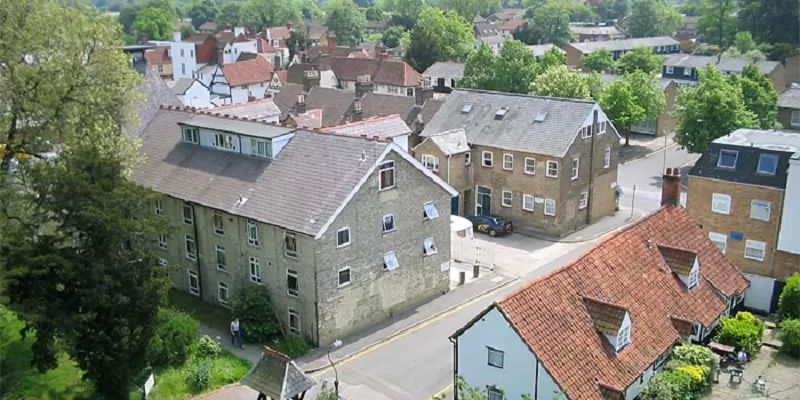
Harlow Campus which opened in 1969 was the brainchild of former Memorial president Lord Taylor (Memorial University)
Harlow sold after months of speculation
The decision to sell their U.K. based Harlow Campus comes months after speculation regarding the future of the campus. Back in November, President Janet Morrison told The Muse on site at Harlow that the university’s $20 million deficit has demanded they “look at every dollar we spend relative to our core or academic mission.”
While she did say Harlow was never being looked at more “intensely then other than other circumstances,” she also said that “everything was on the table” for a potential sale.
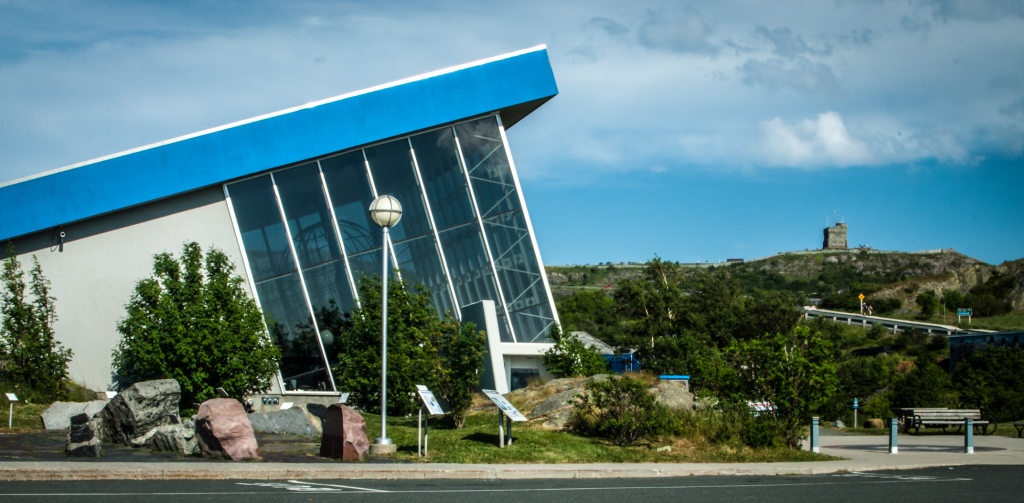
Memorial University Geo Centre (Memorial)
Why are they selling all this infrastructure?
In the press release, Justin Ladha, chair of the Board of Regents, said that they are “taking a disciplined, intentional approach to financial stewardship so Memorial’s resources are directed where they have the greatest impact,”
He continued: “By reducing investment in non-core assets, we can further protect academic delivery, better maintain our infrastructure and ensure we remain well-positioned to support Memorial’s current and future learners.”
On the decision, President Morrison said “This decision to pursue divestment of these assets is not a value judgement on the quality of work done in these areas, nor does it mean that activities and units within those buildings will end. It is an opportunity for Memorial to right size its physical footprint and focus on what matters most.”
In the press release, other reasons they cite as to why they are selling this infrastructure are:
“Significant financial challenges due to declining enrolment,
constrained budgets,
inflationary pressures,
and the broader forces of social, technological and economic disruption that are impacting higher education across Canada.”
What’s Next?
Academic programming and events at the Harlow Campus will continue until August 31st of this year.
Operations and client bookings will continue at the Emera Innovation Exchange. According to the press released, this decision does not mean that activities or units currently housed at the Signal Campus will cease.
Unit-level planning will commence immediately to identify alternate spaces or adjustments to current offerings. If a sale is not completed by April 2027, all operations at that campus will cease and the building will close.
Graduate student residence occupancy will continue at Signal Hill Campus at this time, with support available to help students find alternative accommodations on the St. John’s campus.
The Johnson GEO Centre will reopen as usual in April, following its seasonal closure. If a sale or transfer is not completed by December 2026, operations will cease and the building will close.
Units within the Ingstad building (308 Elizabeth Ave, St. John’s), Strategic Procurement and Print and Mail Services, will move to the St. John’s campus.
Letterboxd diary looking sparse for 2026 so far? Want to show off to your friends that you’re cultured and a true cinephile with impeccable taste? MUN Cinema Series returns in full swing this winter semester with another unique lineup of films set to screen at the Scotiabank Theatre in St. John’s.
Founded by film scholar Dr. Noreen Golfman, the long-running staple of campus movie-going culture continues its 35-year tradition of making cinema accessible to students and the wider community through affordable pricing.
The non-profit initiative will continue to host bi-weekly screenings on Wednesdays at 7 p.m until the end of the winter term in April.
Student and senior admission is priced at $10, while general admission is $12. Full seven-film passes are also available for $45 for students and seniors, and $50 for general admission.
Interested attendees are advised that tickets cannot be purchased in advance, and cash is the only form of payment accepted.
Here is the remaining season schedule for the winter semester:
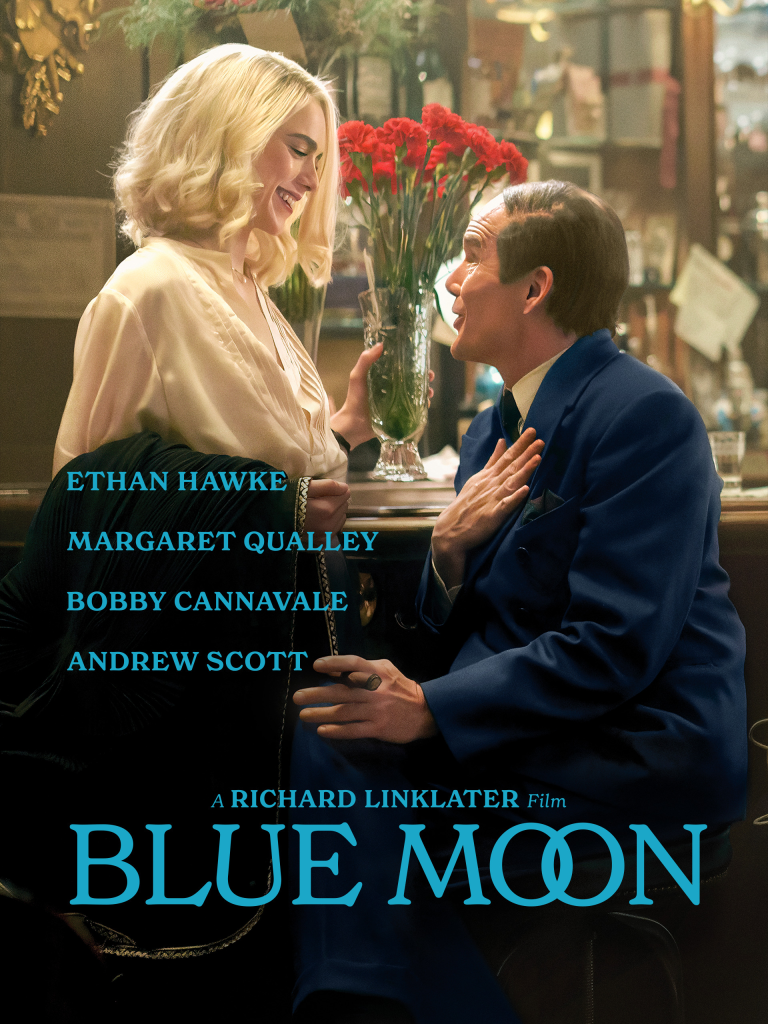
February 4 – Blue Moon (2025)
(Prime Video)
Genre: Comedy/Drama
Director: Richard Linklater
This dramatized biopic with a cast full of big names tells the story of Broadway lyricist Lorenz Hart (Ethan Hawke). Set in the 1940s and heavily inspired by Elizabeth Weiland’s (Margaret Qualley) real letters to him, the film follows Hart as he struggles with mental health and sobriety on the opening night of Oklahoma!, a new, successful musical authored by his former colleague.
Steeped in a deep love for writing, art, and Broadway, this film dutifully portrays the pitfalls that can accompany success. Blue Moon won an impressive 7 titles during its 2025 film festival run.
February 18 – It Was Just an Accident (2025)
(IMDB)
Genre: Comedy/Drama
Director: Jafar Panahi
Considering the political unrest unfolding in Iran right now, this dark comedic drama is not only urgent but impossible to ignore.
After “accidentally” hitting a dog with his van, former political prisoner Vahid (Vahid Mobasseri) is convinced he has encountered the man who held him captive and tortured him for dissenting against the Iranian government. Impulsively, Vahid abducts his captor and rallies his fellow ex-prisoners to confirm his identity.
Having previously been imprisoned and prohibited from making films in his country, Panahi daringly blends memory, trauma and moral uncertainty in this fearless act of cinematic defiance.
*In Persian with English Subtitles
March 4 – The Choral (2025)
(Sony Pictures)
Genre: Period Drama
Director: Nicholas Hytner
Written by critically acclaimed playwright Alan Bennett and layered with an evocative performance from Ralph Fiennes, The Choral’s colossal talent lineup and British charm are sure to resonate with its wit and emotional depth.
After a small Yorkshire village’s choral society’s adult singers enlist in World War I, the controversial Dr. Henry Guthrie (Ralph Fiennes) is recruited to direct the choir’s annual production of Bach with teenagers.
However, Guthrie’s artistic choices – moving the performers away from Bach toward a lesser-known Elgar piece – quickly put him at odds with the conservative community. United by the power of song, the group must find harmony while the young singers wrestle with their impending conscription to the war.
March 28 – The Mastermind (2025)
(The Frida Cinema)
Genre: Crime/Mystery
Director: Kelly Reichardt
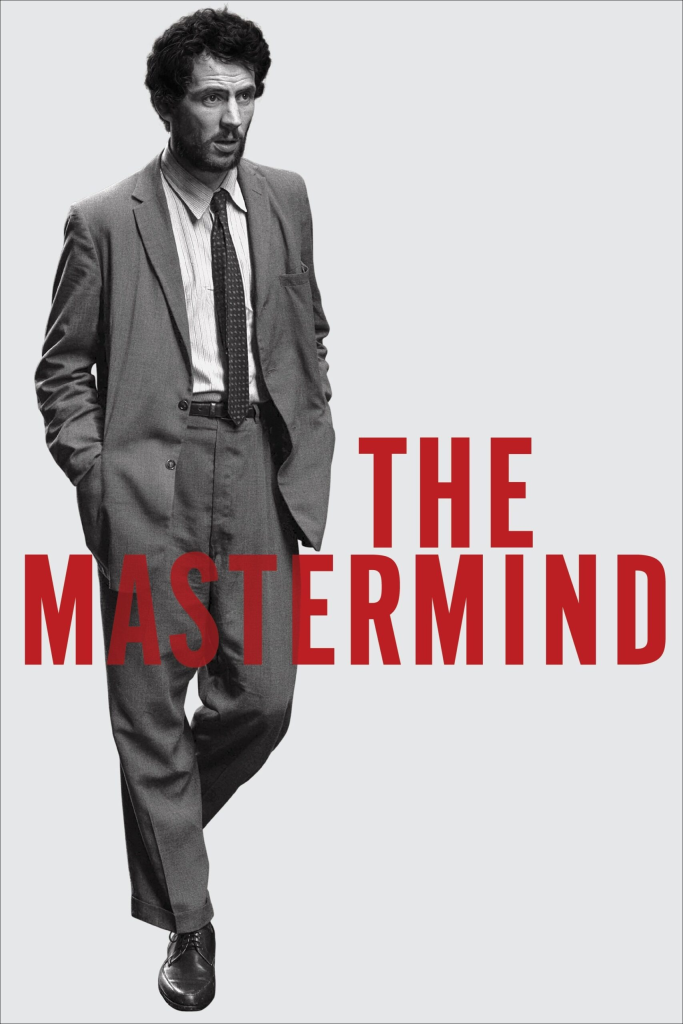
Starring Challengers’ Josh O’Connor – which should be enough of a reason to go see this film in itself – The Mastermind is J.B. Mooney, a waning architect turned cunning art thief.
While 1970s America is stricken by the Vietnam War, Mooney is a family man struggling to make ends meet, until he organizes an art heist along with some thieves-for-hire. This heist film has everything you could possibly want – grand theft auto, tangled lies, clumsy criminals, and a charming, albeit tortured lead.
Amidst lying to his family and struggling to stash the paintings safely, Mooney must reconcile with his transgressions as communities around him implement various anti-war collective action efforts.
April 1 – Nouvelle vague (2025)
(IMDB)
Genre: Drama/Comedy
Director: Richard Linklater
Filmmakers love to make movies about movies, and this one is no exception.
The second Linklater film in this semester’s programming, and another period-piece biopic, Golden Globe-nominated Nouvelle Vague chronicles the making of Breathless (1960), a landmark film defining the French New Wave cinema movement.
Guillaume Marbeck plays Jean-Luc Godard, prolific director and effectively the father of the French film era, who, it appears, decided to become a director almost purely out of spite.
Shot in black-and-white to resemble the projects it documents, the film follows Godard as he finds his place within the film industry, cultivating creative relationships, navigating production, butting heads with other filmmakers, and developing his own directorial style.
*In French with English Subtitles
April 15 – The President’s Cake
(IMDB)
Genre: Drama Director: Hasan Hadi
Set against the background of the 1990s Gulf War, the film follows nine-year-old girl Lamia and her impossible school assignment: bake a cake for Saddam Hussein’s birthday. As punishment looms over her head if she fails, Lamia frantically searches for scarce ingredients in war-stricken Iraq.
A landmark achievement as the first Iraqi film to play at Cannes, the film offers a rare and deeply affective glimpse into the life of a child living in war.
On behalf of the Memorial University Students’ Union (MUNSU), I feel it necessary to communicate directly to decision-makers and the general public on our shared priorities arising from the recent tuition freeze announcement.
To make MUNSU’s stance clear, A tuition freeze has been a key priority in our organization’s work since the initial hike in Fall 2022. Such a move today would undeniably offset the cost of living for thousands of students during an affordability crisis, something felt heavily by a large portion of our 11,000 undergraduate members. There are nonetheless concerns regarding additional and necessary commitments to make this effective.
The financial sustainability of Memorial University is something we all have paid utmost attention to in our work. The deficit the University finds itself in is an indisputable reality, so the question that remains is how exactly a tuition freeze will be offset.
It is our fear that Government forcing the hand of the Board of Regents to enact a freeze without additional funding will have unintended consequences regarding further contractions to student programming, faculty/job security, infrastructure, etc. As an important partner in the Coalition of Campus Unions, MUNSU recognizes all of these parameters as integral to student success.
The goal is to not just freeze tuition, but also to increase the operating grant of the University to avoid negative repercussions. In a previous discussion I had with Premier Wakeham, he had stated he is “not afraid to increase funding”, so at this time we now require a clear commitment to do so.
It has been said on Government side that they will not allow students to brunt the cost of MUN’s financial shortcomings. While we agree with this sentiment, I cannot stress enough how I view no increase to operational funding in light of this announcement as only exacerbating such financial constraints.
I would like to also bring your attention to the 14 January VOCM Question of the Day that asked “Do you support government’s decision to freeze tuition at MUN?” where 65% of respondents voted yes.
This clearly shows that taxpayers view students as valuable investments to the future of Newfoundland and Labrador.
Freezing tuition is an economically necessary decision, a smart decision, and a popular decision.
With careful consideration, MUNSU urges collaboration between all decision-makers to advance a shared and sustainable vision for the future of Memorial University which puts student success first.
A tuition freeze is now a Government promise to students and the general public, now is the time for effective delivery.
Got an opinion? Send a Letter to the Editor or pitch an opinion piece to editor@themuse.ca
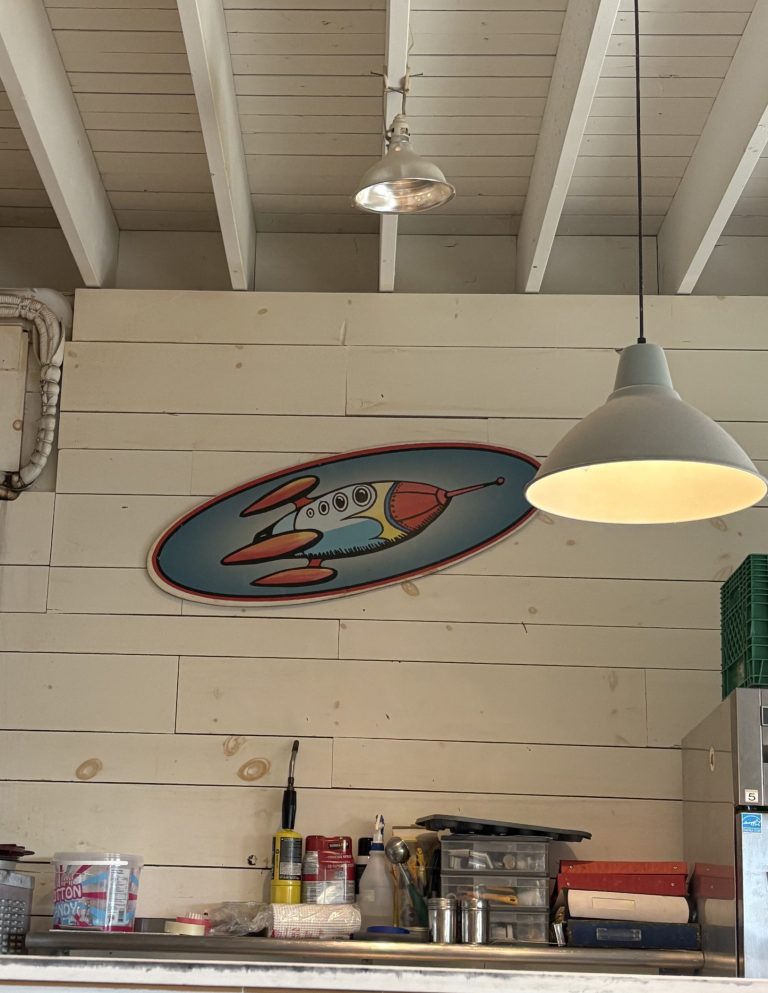
Rocket Bakery opened in the Spring of 2011 in one of the iconic heritage buildings downtown. The owners decided to follow their dreams, moving from Toronto to ‘exotic’ Newfoundland to open up a cafe heavily inspired by groovy sixties and seventies decor with a slight rustic vibe.
Rocket has three locations scattered across the city for your coffee and baked good fix — Mount Pearl, Churchill Square, and Downtown.
(Rebecca Jennings/The Muse)
Pastries and fresh food are prepared daily in-house at their Mount Pearl location. Additionally, many of these items are accommodating to dietary restrictions for vegetarians, vegans, and gluten-sensitive individuals.
One notable pastry is their flakies. Rocket has also begun celebrating ‘Flakie Friday, where they rotate fun flavours each Friday to keep things interesting.
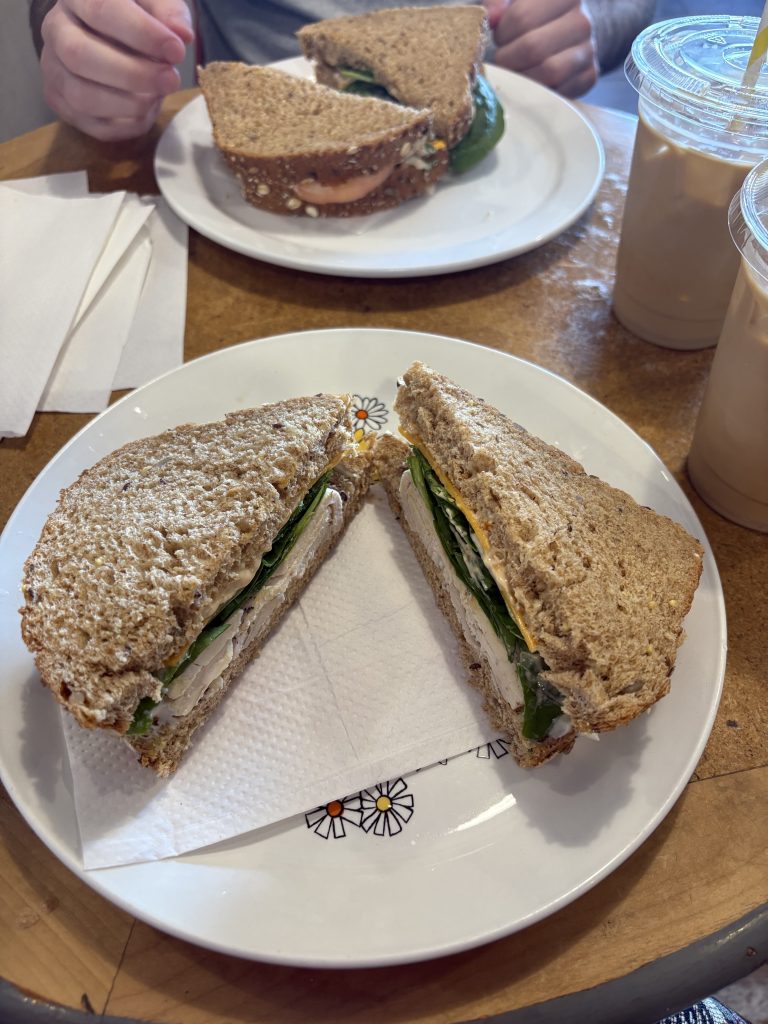
For my visit, I ordered the roast chicken sandwich (no tomato for me personally!), a ‘ballistic’ brownie, and a large iced vanilla latte. If you’ve read previous articles, you’ll come to learn I have a knack for these.
The sandwich consisted of multigrain bread, spinach, mayo, chicken breast, cheddar cheese, and their ‘Rocket Sauce’ — a no-flour-added, savoury sauce.
The sandwich was light and refreshing, and a decent size for what I paid. The ingredients used were delightful and fresh. For the latte, it was the right amount of sweet without being overbearing.
The owners’ love for Newfoundland culture goes beyond their inaugural heritage location and NL-inspired treats, as they also host trad sessions and folk/acoustic nights, depending on the location.
The Mount Pearl location’s Rocket Room,’ where they occasionally have live music
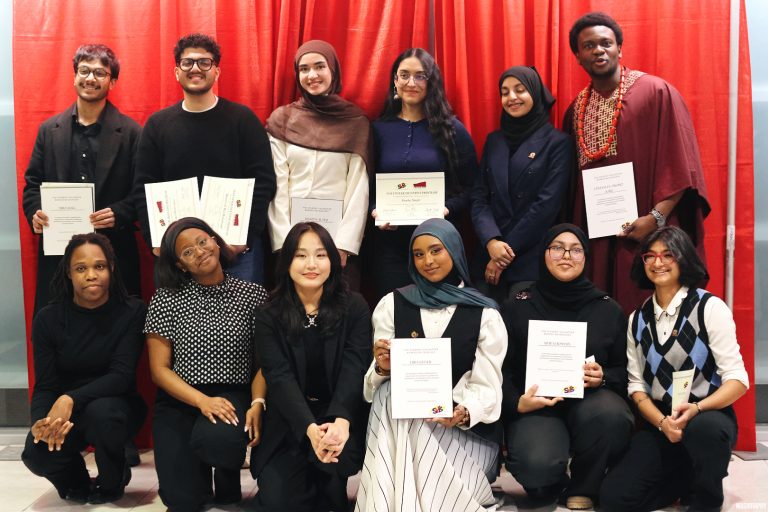
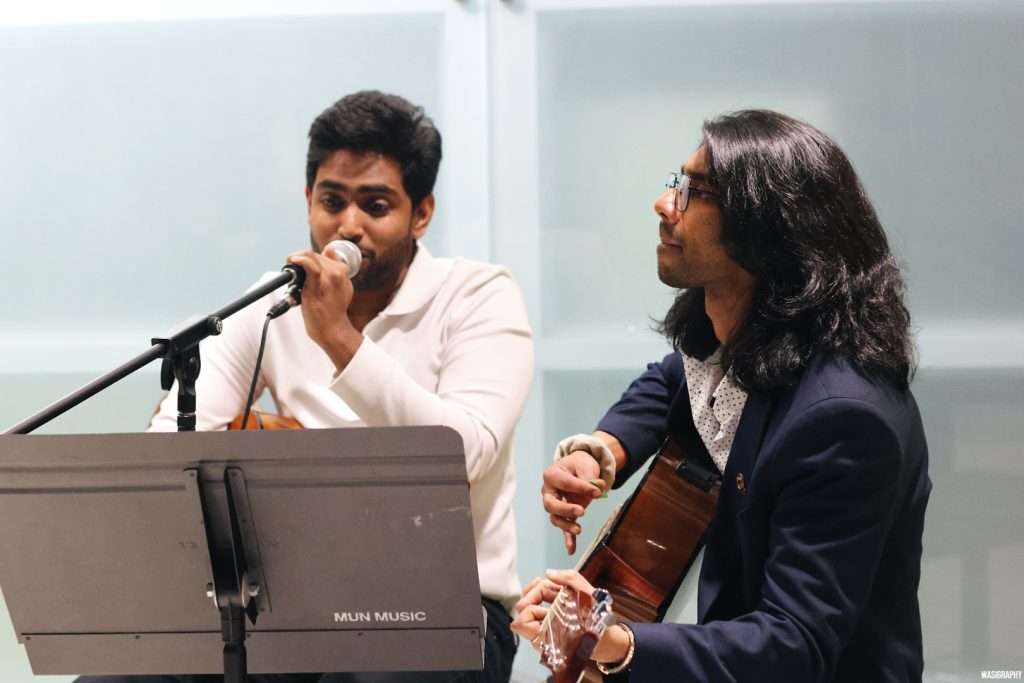
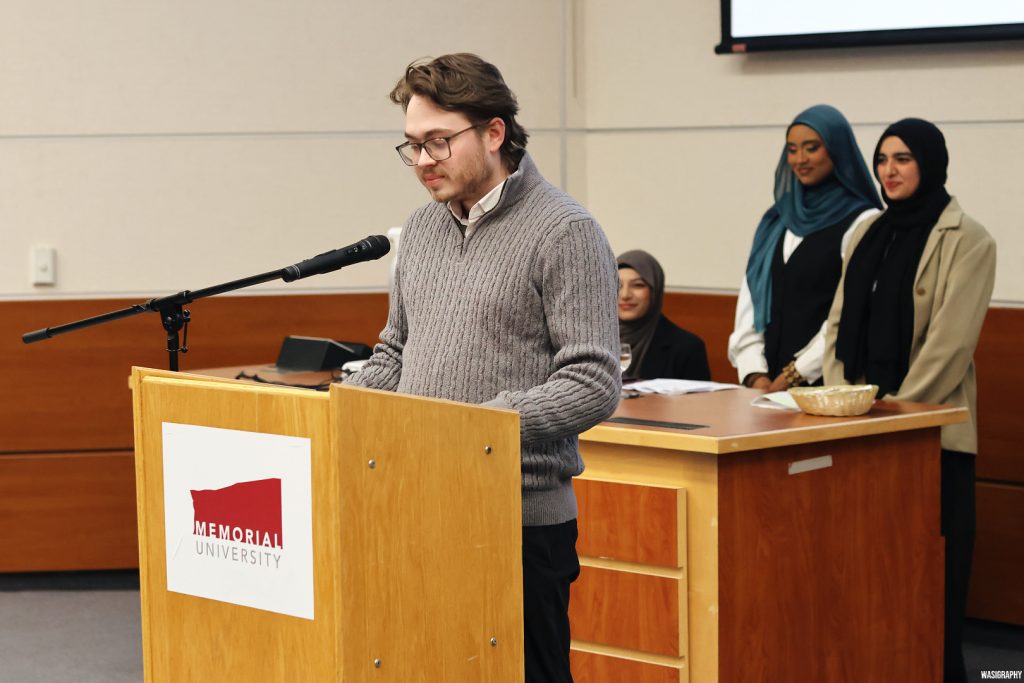
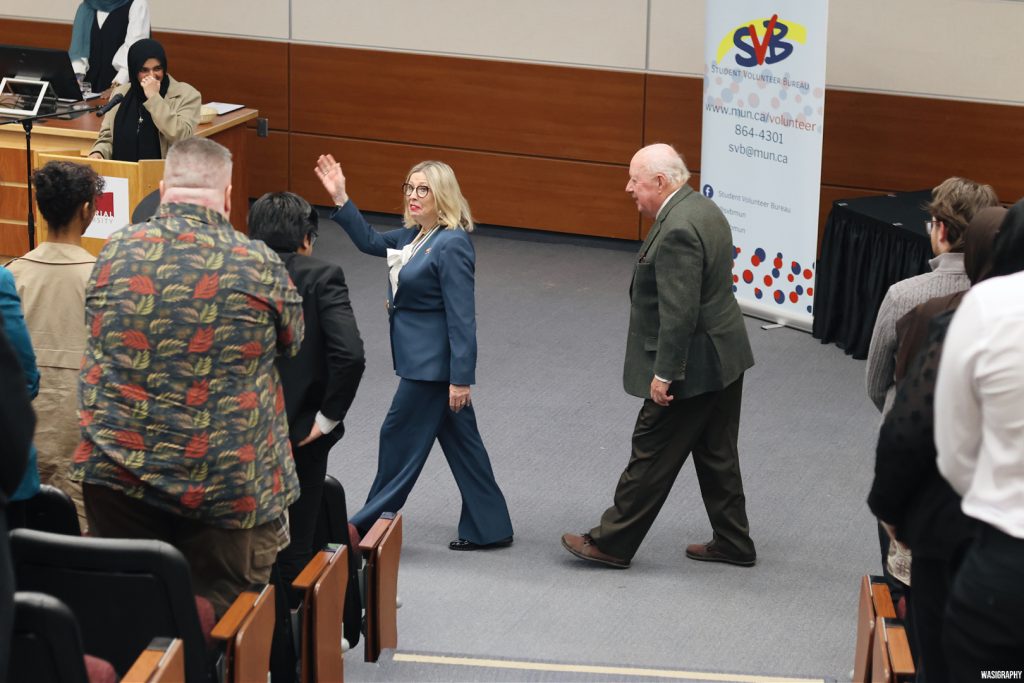
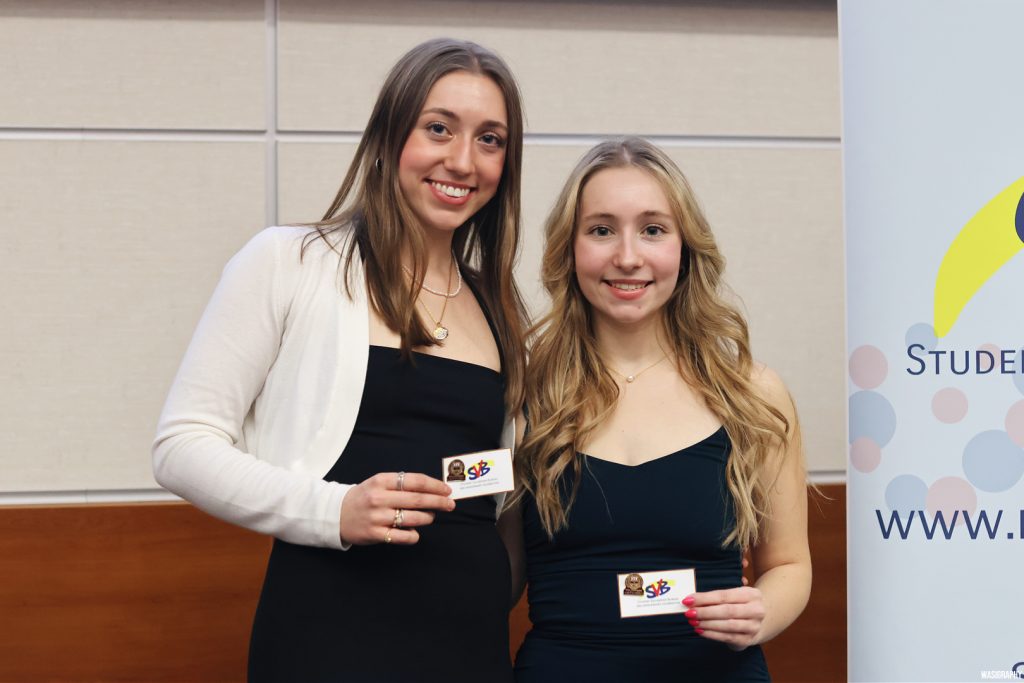
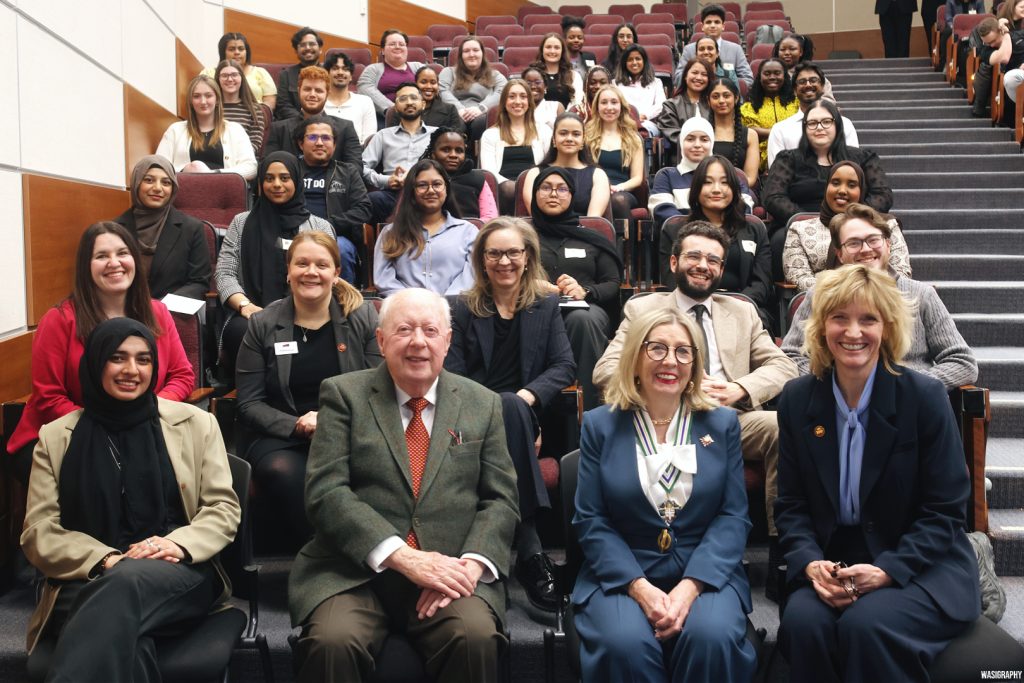
This past Thursday, the Student Volunteer Bureau hosted the 23rd annual Volunteer Incentive Program awards ceremony. The awards were presented by the Lieutenant Governor of Newfoundland and Labrador Joan Marie Aylward, and Memorial’s President and Vice-Provost Janet Morrison.
The awards ceremony celebrates student volunteers who have achieved the VIP levels in Bronze, Silver, Gold, and Platinum.
“We basically give volunteers levels that they can achieve per semester… we give them 20 hours or 40 or 80 or 20 hours again based on what level they are, and they finish those levels and we validate their volunteerism and we give them a certificate,” said SVB Coordinator and Platinum plaque recipient Yusra Altaf.
The Bronze level is awarded to students who have completed 20 hours of volunteer service, an hour of professional development, and a ThinkTank. This past year, 128 students completed the Bronze level, totalling over 2,600 volunteer hours.
The Silver level is awarded to students who have completed 40 hours of volunteer service, 2 hours of professional development, and a Silver ThinkTank. 71 students completed the Silver level, and combined for over 2,900 volunteer hours.
The Gold level is awarded to students who have completed 80 hours of volunteer service, 4 hours of professional development and leadership development, and a Gold ThinkTank. 53 students completed the Gold level, with over 4,200 volunteer hours.
The highest level, Platinum, was awarded to 24 students with over 480 hours invested.
“it really just means a lot more hours of volunteering, but I found that if I can communicate and involve myself in my community, small or big, local or off campus, it’s really really good,” said SVB Fundraising Coordinator and Platinum plaque recipient, Hiba Khalil.
Platinum Award recipient Hiba Khalil also received the Gold award this semester, presented by Memorial President Janet Morrison (Wasif Hossain/@wasifgraphy)
Students who achieved the Platinum Award had to have completed another 20 hours of volunteer service, an hour of professional development, a pre-reflection session and a post-reflection session, as well as facilitate 2 reflection sessions.
SVB Coordinator Yusra Altaf received the Platinum Award, presented by Lieutenant Governor Joan Marie Aylward (Wasif Hossain/@wasifgraphy)
On students who may be interested in volunteering, Altaf had this to say: “Do it, just start. When you do something selfless and you do it for the pure joy of it, you get this kind of rush that really keeps bringing you back.”