A new app created by a Memorial University student is aiming to help students with an age-old problem: Discovering events and clubs on campus that might pique their interest. The app “Uniconn,” created by Girish Verma, claims to connect students with different clubs, societies, and departments at their university. The project is launching at MUN but hopes to expand to other institutions.
The app is available for download on Apple and Android devices and features an intuitive interface, along with several upcoming events and activities already listed.
Encouraging student involvement
The app’s creator says that its focus is to increase student involvement and community engagement at MUN while tackling the greater issues of lacklustre student engagement in universities across the country. The app also affirms that students need to be viewed as individuals and not only as numbers, an aspect the project hopes to build on in the long term.
This app is the first step in a series of projects for Verma, all focused on creating a sense of belonging within the university. The ultimate goal is to make a difference by helping create a more inclusive environment for students to explore different communities.
Students and societies onboard
A common problem faced by students, especially those from outside the St. John’s Metro region, is a limited number of social events and activities to attend. Uniconn has already established partnerships with various groups and societies at MUN and says more are coming.
Verma says that, soon, every society at MUN will be able to use the platform to spread the word about their events. With more and more students and societies signing up daily, this may be the new and improved way to find things to do at MUN and other universities across Canada.
No more endless Facebook groups
The app, as well as Verma’s other future projects, aim to help universities by providing a centralized platform for events and activities, so students can ditch the disorganized network of social media accounts used to post and repost events happening on campus.
Uniconn was created entirely within Memorial University. To support this endeavour, download the app using the following links:
The MUN Undergraduate Students’ Union (MUNSU) has delivered a petition advocating for fair wages, effective work term placements and the elimination of differential fees to the President of Memorial University of Newfoundland and Labrador and the Dean of the Faculty of Engineering and Applied Science.
“We, the undersigned, recognize several injustices and barriers that students have experienced in the Engineering Co-op program with regard to differential fees, as well as work term placements that pay less than minimum wage.”
Students, especially international students, have found that an increased work term fee, sometimes coupled with low-paying work, higher tuition costs relative to local students, restrictions on how many hours an international student can work weekly, and the costs already associated with living in St. John’s as an international student, can impact both their academics and wellbeing.
MUNSU, are recommending the following changes to the Engineering Co-operative Education program at Memorial University:
All students, both local and international, only pay a fee of $600 for each work term;
All work term placements must pay students an hourly wage of at least the provincial minimum wage, which will be increasing to $15.00/hour on October 1, 2023;
All work term placements must be somewhat relevant to engineering.
The petition contains 797 student signatures, representing 69% of the Undergraduate Engineering Student Body.
Students delivered the petition to Dr. Neil Bose, President of MUNL, Dr. Jennifer Lokesh, Provost of MUNL, Dr. Octavia Dobre, Interim Dean of Engineering and Dennis Peters, the Associate Dean of Engineering.
MUNSU Executive Director of Campaigns Jawad Chowdhury says, as an advocate for fair and just education, it is deeply concerning to hear about the struggles faced by Engineering students at MUNL in terms of gathering the funds necessary for their cost of living, tuition, and other necessities. The imposition of differential fees and unjustifiable co-op fees is a clear indication of the university administration’s prioritization of profit over the well-being of students.
Furthermore, the exploitation of Nursing, Social Work and HSS students through required unpaid work terms highlights the systemic issues within the institution. These practices must be immediately addressed and rectified to ensure that all students have access to quality education without financial burden.
As MUNSU Engineering Student Representative, Nicolas Keough says that Engineering students are frustrated by differential fees and work terms that pay less than minimum wage. These practices perpetuate systemic inequalities and exploit vulnerable student populations, such as international students who are disproportionately impacted by higher fees based on their country of origin. It is time for a larger conversation to be had about unpaid work across all faculties, including nursing, and for concrete action to be taken to address and dismantle these unjust systems.
Following the receipt of this petition, MUNL Interim President Dr. Bose committed to discussing the demands with the advisory committee to the President and pursuing a reform of the co-op office practices at MUNL. MUNSU can be reached for comment via resource@munsu.ca or via (506) 469 4658.
For Further Information: Kat McLaughlin, Resource Coordinator 506.469.4658 resource@munsu.ca
Eastern Edge, an artist-run center for visual arts, has recently been engaging in creative projects showcasing technology’s potential as a medium for creative expression.
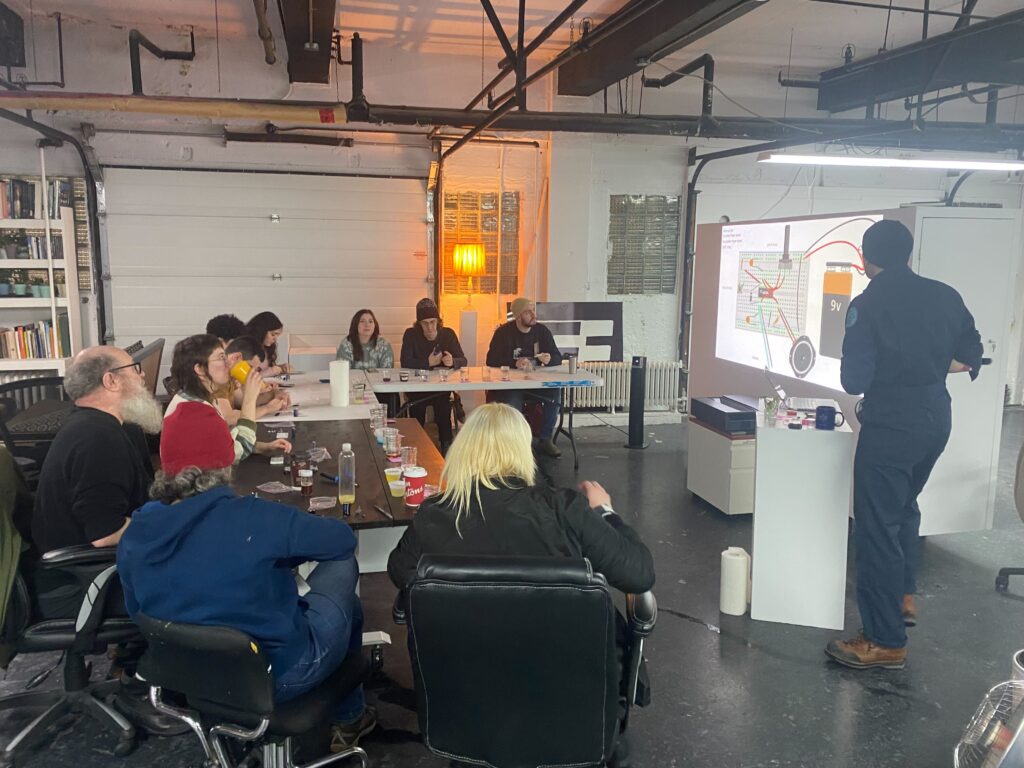
Having acquired a 3D printer, CNC machine, VR headset, and more, Eastern Edge has been demonstrating through its ‘Mainframe’ initiative what these platforms are capable of.
“Mainframe started last July and ends this July, [it] is a series of workshops [with] artists and residents here in our studio space with the goal of teaching the community and showing other artists who are working with more traditional things that there’s new different kinds of possibilities,” said Rachel Gilbert, Eastern Edge’s Residency and Digital Project Coordinator.
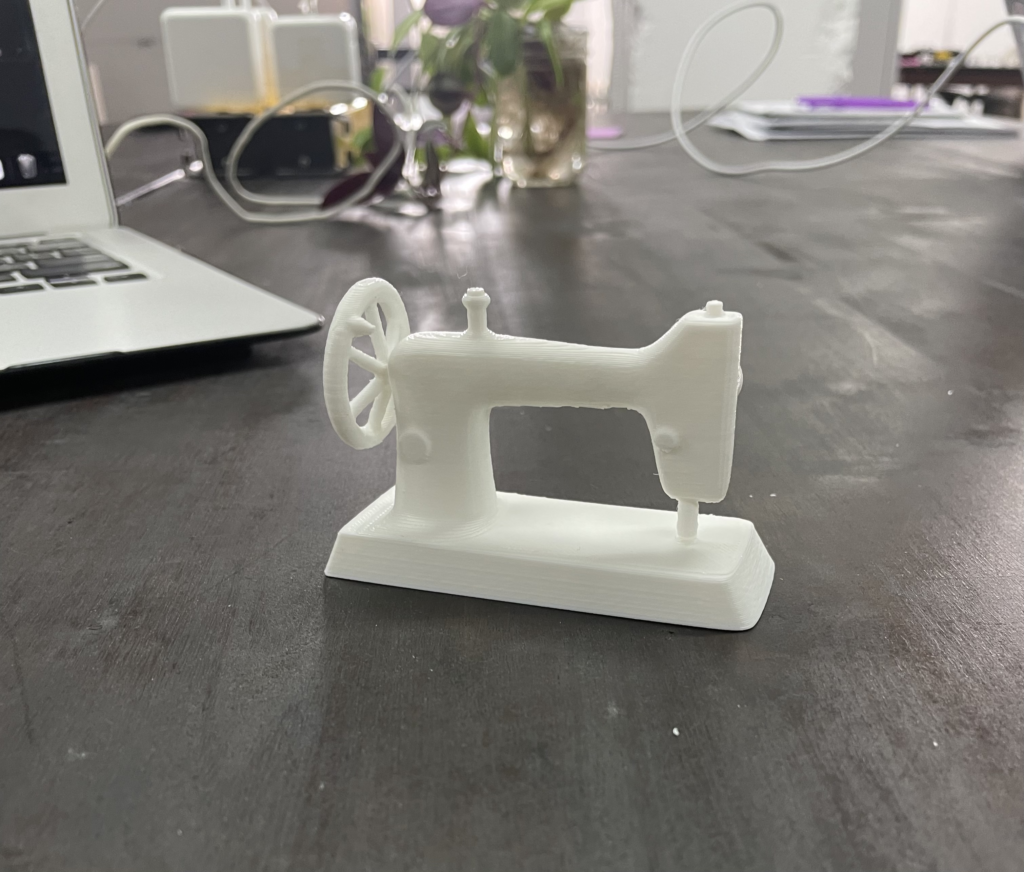
“We’ve made all different kinds of things. We have an artist in residence now; she is a textile artist, and she does weaving. I just finished printing a loom for her to weave on. People often print parts for different things and applications; you can print almost anything.”
A small 3d printed sewing machine
Rachel also emphasized and encouraged anyone interested to get involved, requiring no prior experience.
“Basically, we want to increase the digital literacy of the arts community.— We have some workshops to teach the community how to use these things. This project provided opportunities for the local community to witness the possibilities and get on board themselves.”
Mainframe Workshop
While the project itself concludes at the end of July, the tools and equipment will continue to be available to members via a fee of $15 for students and $25 for the general public annually.
Eastern Edge also has their upcoming ‘Hold Fast Contemporary Arts Festival.’ Elijah Martel, Eastern Edge’s Communication Coordinator and overseer of the festival, spoke on it.
“So this festival has been running in one form or another since 1999 when it began as a 24-hour art marathon and has evolved into a four-day festival that is completely free and open to the public to attend. So we have a robust program of artist workshops, like mainframe, covering a wide range of subjects. Last year we had diorama making, eco-printing, upcycling out of plastics, sculptures and lithography, and it’s so exciting to be able to offer this broad range of things as part of this cohesive menu.”
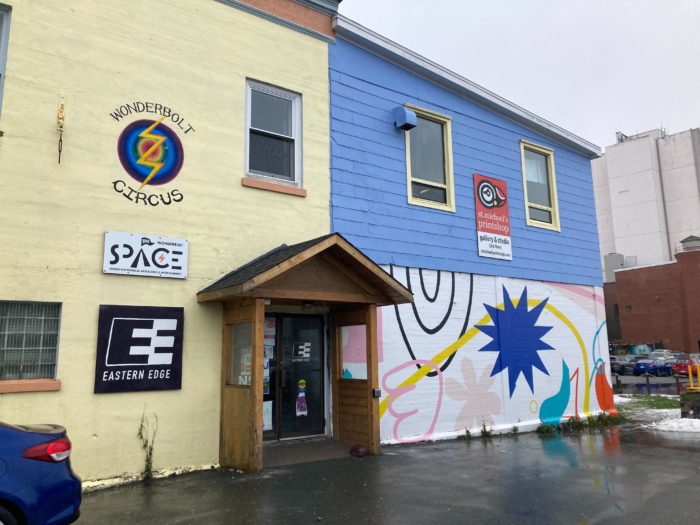
Art Gallery Eastern Edge
“The idea is to kind of throw it all together and show folks this all part of the same world, and it is open to you.”
Eastern Edge also offers residencies to artists seeking to build their skills professionally and artistically.
“We’re looking for something that is impactful and will benefit from this time – the residency could be used to make work you want to exhibit. I definitely would encourage those interested to come check out the gallery, the artist’s talks, the member’s show – that way, you can get a sense of the experiences and insights.”
Likewise, Eastern Edge has used its skills to make an impact. Through its ‘Art as a Tool for Change,’ they’ve exhibited Art as an empowering tool to facilitate critical dialogue around feminism, anti-racism, 2SLGBTQAI+ rights, and environmental activism.
Eastern Edge is located at 72 Harbour Drive in St. John’s. More info can be found on their website: easternedge.ca
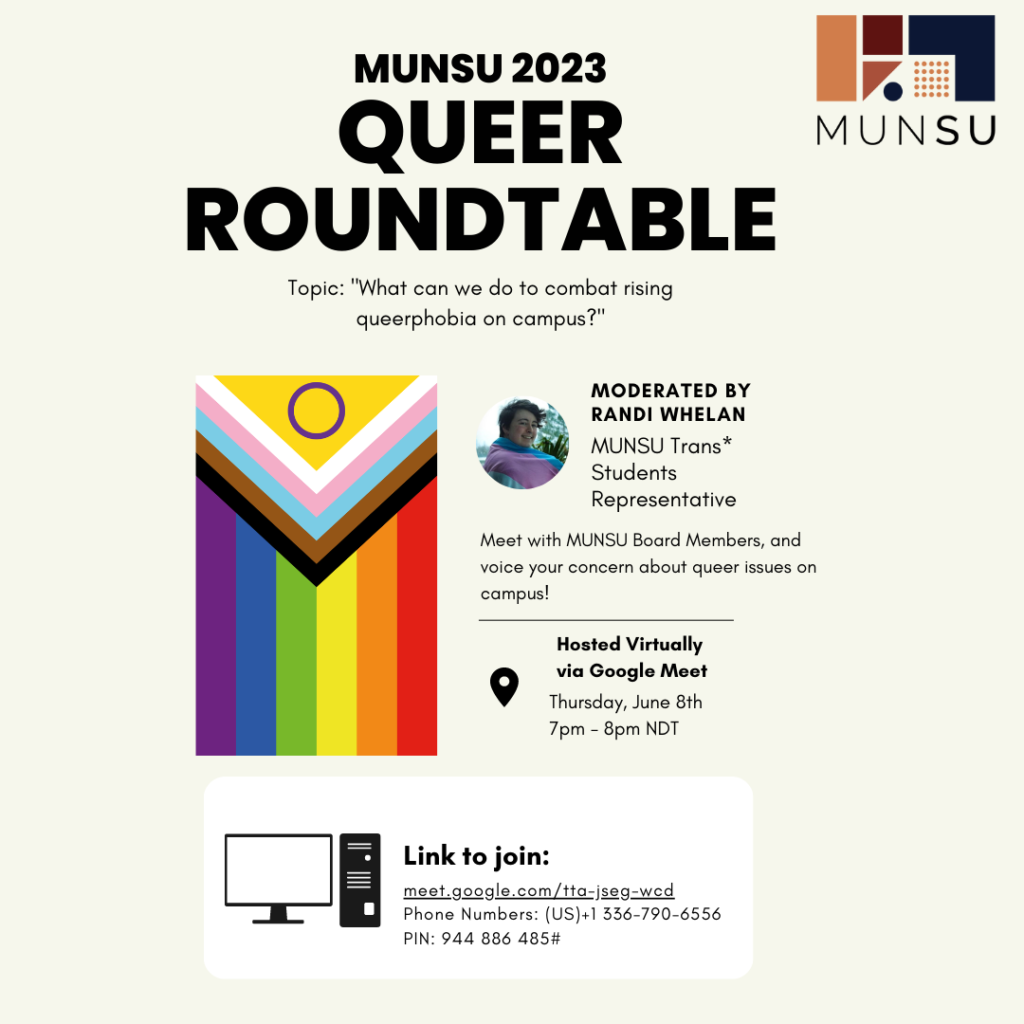
MUNSU’s Trans Students Representative Randi Whelan hosted a Queer Roundtable last week to discuss rising queerphobia on campus. The event offered students an open venue and discussion surrounding queer Issues and what is needed to combat the increasing anti-queer actions and rhetoric.
Queer Roundtable Poster
The event explored queerphobia on campus, the environment surrounding queerness, and strategies to combat discrimination while centering BIPOC voices and experiences. Participants at the Queer Roundtable reflected on their observations of queer experiences on campus. It became apparent that challenges persist despite progress being made in recent years.
Executive Director of Campaigns Jawad Chowdhury described the environment on campus surrounding queer people as “welcoming, but not inclusive.” The queer community is welcomed but not included in discussions and circles.
Others expressed that it almost seems as if queerness continues to be seen as a taboo and that education and talking about queerness is an essential way to challenge this mindset. Creating campaigns, including using art, was posed as a means to promote this.
An emphasis was placed on establishing a campus environment that fosters inclusivity and provides a sense of belonging. Suggestions included implementing comprehensive training programs for faculty, staff, and students to increase awareness and understanding of queer issues.
Additionally, establishing safe spaces and support groups that allow students to freely express their identities and seek guidance without fear of judgment was deemed essential. Likewise, it was stressed that division harms the queer community on campus, and unity is needed to make any progress on these issues. Randi’s takeaway from the roundtable was that things can always get better.
“We have a lot of hope for a bright future for the queer community on campus, and the passionate voices I heard that day have showed me so. Let’s hope that this roundtable and future endeavours are a step forward for the queer community on campus and beyond and strive to create a space that is not just welcoming, but also inclusive to all.”
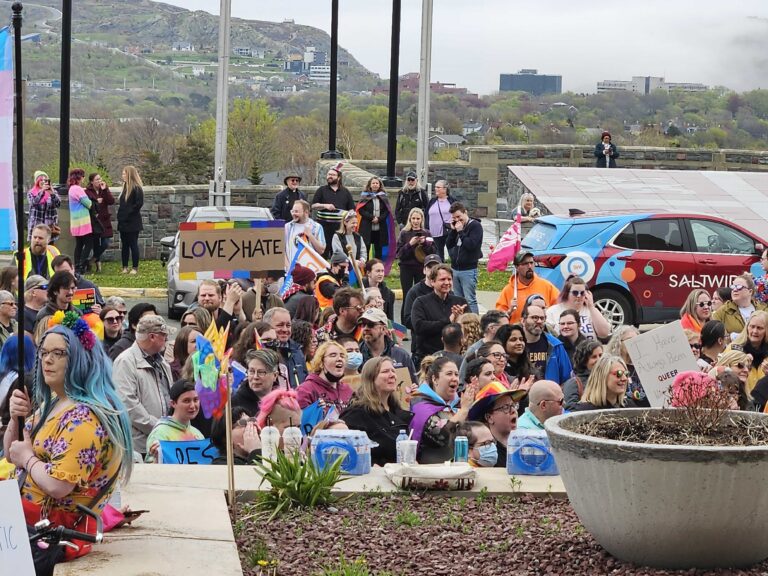
The rally was in response to an anti-LGBTQ inclusive education protest that was set to happen the same day. There was an incredible turnout, demonstrating widespread support from the community for inclusive education.
Several speakers, including MUNSU and the NLTA, shed light on the existing issues in our province surrounding acceptance and inclusion both in the education system and our community.
With #nospaceforhate trending on Twitter, it became clear that the community would not stand for the ongoing hateful rhetoric targeted at the 2SLGBTQIA+ community.
MUNSU will be in attendance tomorrow at the No Space For Hate counter protest at 12:00 (time changed)!
What a great turnout this afternoon to support Inclusive Education! Thrive stands in solidarity with our 2SLGBTQIA+ community. #NoSpaceForHatepic.twitter.com/ciGMdyn641
The overwhelming display of community support at the rally created a resilient and optimistic atmosphere to start off this year’s pride month in St. John’s, with the hope that this demonstration of compassion and solidarity will continue moving forward.
What’s more, it was officially announced that the 2023 St. John’s Pride Festival will take place from July 9th-23rd. With the events list yet to be confirmed, there is still time to reach out and volunteer.
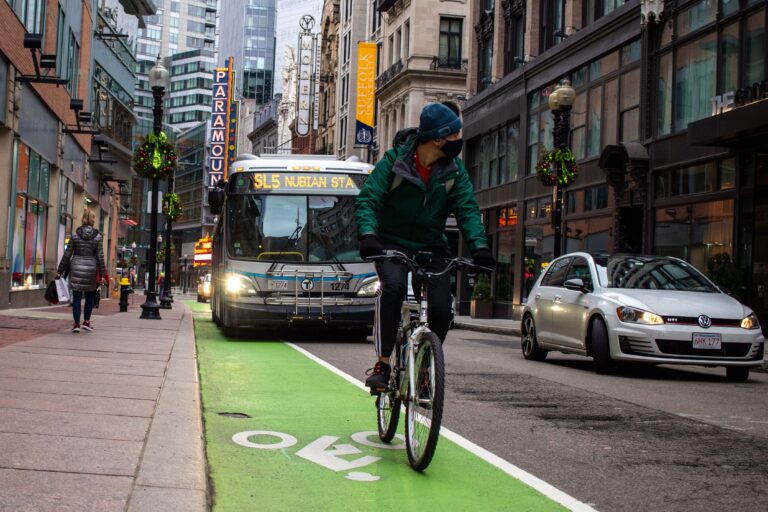
Across North America and the world, biking is known to be a great, reliable, and cheap way to get around any city. After what seemed like an eternity, in recent years biking in St. John’s has seen a revival. Every summer more and more tourists and residents are commuting and travelling more by bike. Meanwhile, many residents are wondering if the city’s bike infrastructure can keep up and if there are enough services and businesses to meet market demand.
Bike Rentals
Most major Canadian cities have some sort of bike rental program in place. These are a great and affordable way to travel, especially when visiting a city. St. John’s recently implemented a similar program with a private bike rental company, “Pedego,” offering E-bike rentals, ideal for a city with rolling hills like St. John’s.
Despite this new endeavour, the target market is neither students nor penny-pinching tourists. A 3-hour bike rental is priced at $79. For comparison, Montreal’s extremely successful “Bixi” bike rental program is only $20 for a month of unlimited use of standard bikes, and e-bikes are only 13 cents per minute.
Meanwhile, renting a compact car for a full day in St. John’s through Hertz, a popular rental car company, is only $89.
Affordability was not in mind when Pedego was implemented in St. John’s.
A brochure for Pedego e-Bike Rentals in St. John’s.
City Infrastructure
The city and surrounding communities currently have two types of bike paths, shared-use and dedicated bike paths. Shared-use pathways could be anything from a trail shared by bikes and pedestrians to a 4-lane road (commonly referred to as a stroad) with “sharrows” painted over it. Dedicated bicycle paths are few and far between, and it is easy to see why a car may be all but essential to travel around and outside this city.
The Muse requested an interview with Councillor Ian Froude to get more insight into the current and future infrastructure planning in St. John’s. Froude passed the request on to Councillor Maggie Burton, who did not respond to the request for comment.
Sharrows
Research has shown that sharrows do not encourage biking or make it safer. A 2005 study published in the Journal of Transport and Health stated that sharrows make cycling more dangerous by adding a false sense of safety. Despite this, the city continues to invest more and more in sharrows across streets.
On its website, the City of St. John’s claims that “The City’s Bike Master Plan, which was approved by City Council 2019, sets out the goal to create a safe, inclusive, and convenient cycling network that is well-connected, attractive, and reflective of the City’s unique topography and climate. A component of the cycling plan is to build shared-use paths throughout the city to support multiple modes of active transportation.”
Looking Forward
While the future may have many sharrows and unsafe bicycle paths, there is hope. The city is constantly looking to improve bike infrastructure and may present plans for a better biking environment. With rental companies like Pedego and others entering the market and with more and more visitors and residents choosing to cycle to work, school, and elsewhere, biking is likely to become more accessible in the future.
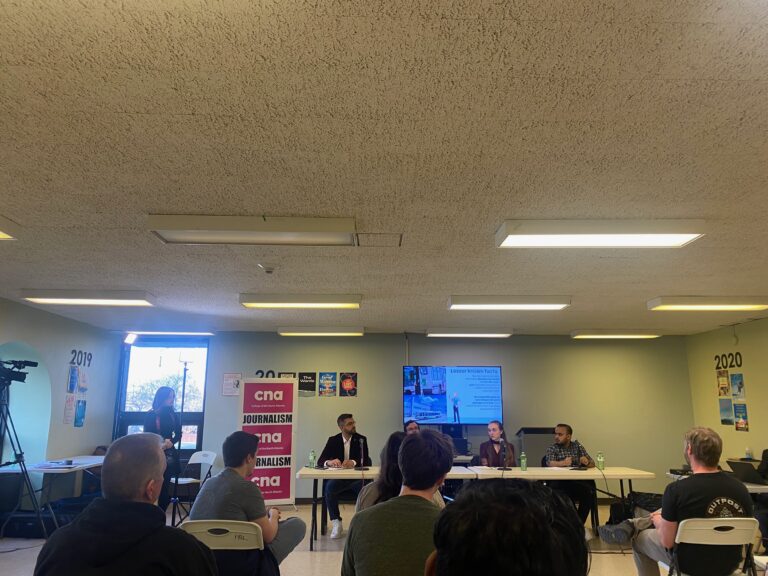
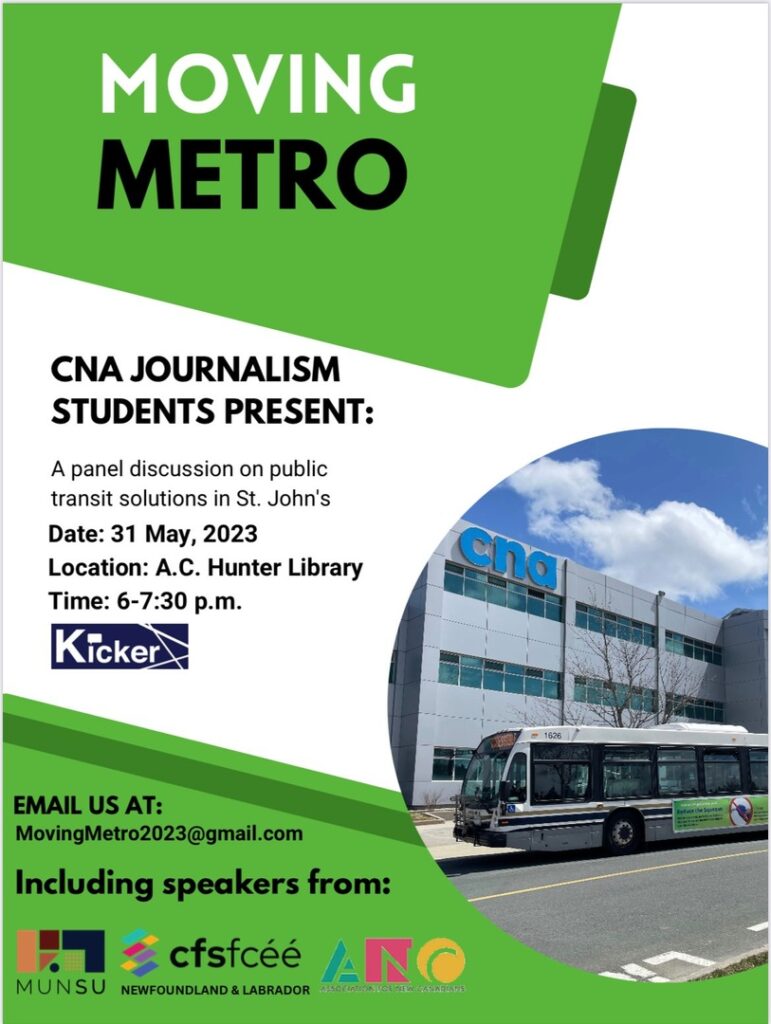
On May 31st, the CNA Journalism students hosted a panel: ‘Moving Metro’ on public transportation in St. John’s and surrounding areas.
The students invited guest speakers from Memorial University’s Student Union (MUNSU), the Canadian Federation of Students Newfoundland and Labrador (CFS), Happy City St. John’s, the Association for New Canadians (ANC), and a representative from Metrobus who was unable to attend.
For those unfamiliar with Moving Metro, it is an initiative aimed at facilitating constructive discussions to enable positive changes within the transit routes and system in St. John’s and surrounding area.
Many international, out-of-province and local students, as well as senior citizens, children and teenagers, rely on public transport to get around the city. By recognizing the pivotal role that public transportation plays in the lives of countless NL residents, Moving Metro strives to enhance the efficacy and accessibility of the metrobus system.
Image credit: MUNSU (via Twitter, @MUNSU35)
The panellists along with numerous audience members engaged in discussions suggesting ideas and solutions that could help improve the transit system in St. John’s. Topics ranged from route frequency, coverage, cost, revival of the now defunct ‘U-Pass,’ and what local and provincial governments could do to help improve public transportation in the metro region.
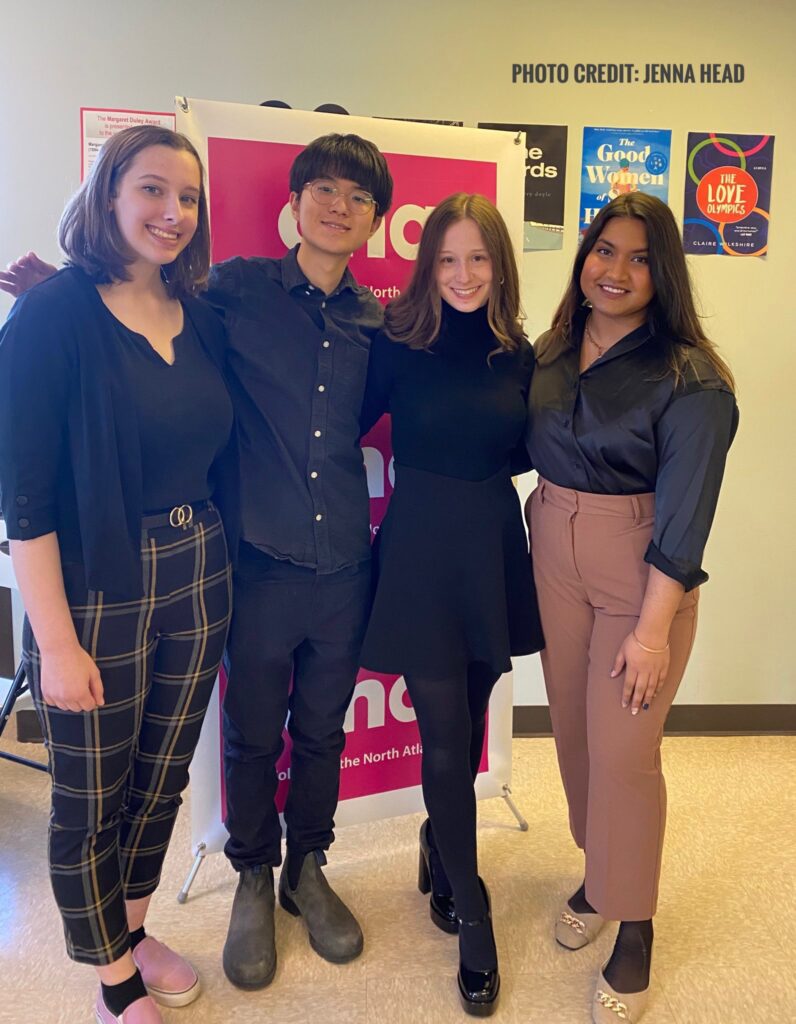
Picture Credit: Jenna Head
During the discussion, many suggestions and concerns were brought to the attention of the panellists and the audience.
An emphasis was placed on the importance of educating the public about the impact of the transit system on those who depend on it. Asserting that residents not directly affected by these issues should be made aware of their adverse effects on others.
Many people that live or have stayed in St. John’s/surrounding areas for a while are not heavily impacted by the transit system in the city, because of the availability and access to their personal vehicles and those of friends and family. Thus, making it an attractive alternative could be equally beneficial to the community and environment. This contrasts the experience many people have moving here from other provinces or countries where access to a private means of transportation is less common, hence the reliance on public transport as a primary means of transportation.
Guest speaker Jawad Chowdhury spoke on the ‘U-Pass’ concept. A prior initiative by MUNSU and Metrobus to provide a subsidized semester pass to all undergraduates’ students, included in student fees and cheaper then the direct purchase. The idea was scrapped as it lacked an ‘opt-out’ feature for those who didn’t want it, however, MUNSU has expressed interest in reviving it with the proper mechanism.
As well, a point that was discussed was the suggestion for an updated Metrobus website/app. A few members of the audience talked about the application being outdated in terms of tracking the bus, among other features. The ANC representative suggested an option for different languages on the app for new residents coming from countries that are not fluent in English or French.
Overall, the Moving Metro discussion was full of ideas and solutions with the potential to improve the existing transit system in St. John’s. The discussion served as a platform for constructive dialogue and an exchange of ideas between community residents and experts.
Through this collaborative effort, participants identified numerous initiatives with the potential to bring about positive changes to the transit systems in St. John’s. By incorporating advancements in technology, optimizing routes, and addressing the unique requirements of different demographics, the future of public transportation in the city looks promising.
Opera on the Avalon (OOTA), Newfoundland and Labrador’s premier opera company, recently held a press conference to announce its highly anticipated 15th anniversary season. With a diverse lineup of extraordinary performances and ground-breaking initiatives, OOTA is set to captivate audiences while highlighting the region’s rich cultural heritage.
February
The season’s centrepiece is the world premiere of “February” at the Arts and Culture Centre. Inspired by Lisa Moore’s best-selling novel of the same name, this remarkable opera tells the poignant story of the Ocean Ranger disaster that occurred on Valentine’s Day in 1982. Composed by the renowned Laura Kaminsky, with a libretto co-written by Moore and Kaminsky, “February” pays tribute to the 84 men who tragically lost their lives. Under the baton of conductor Judith Yan and the direction of Ruth Lawrence, the production promises to be an emotionally charged and memorable experience. The talented cast includes Katherine Pracht-Phares, Matthew Dalen, Leroy Davis, Pascale Spinney, Michael Kelly, Stephen Hegedus, and Lara Ciekiewicz.
The world premiere of “February” will take place on October 13th, 2023, at the Arts and Culture Centre in St. John’s, NL, with an additional show on October 14th. This production represents a significant milestone for OOTA, showcasing their commitment to creating powerful, evocative works that resonate with audiences.
75×75
In addition to “February,” OOTA has unveiled their ambitious project “75 x 75,” a multidisciplinary initiative commemorating the 75th anniversary of Newfoundland and Labrador’s Confederation with Canada. Made possible through funding from the “Commemorate Canada” program and the Province of Newfoundland and Labrador, “75 x 75” will bring together performances and interviews from over 75 individuals, shedding light on the cultural and historical significance of Confederation.
The project will commence with a special concert and storytelling event hosted at the Colonial Building on March 30th, 2024. Through this series of captivating videos and interviews, led by CBC producer Rod Etheridge and journalist Sarah Antle, audiences will gain a deeper understanding and appreciation of the region’s diverse perspectives and rich heritage.
Young Artist Program
Furthermore, OOTA aims to foster emerging talent in the opera sector by introducing their Young Artist Program (YAP). Designed as a comprehensive twelve-month hybrid experience, the YAP offers mentorship, coaching with industry leaders, professional performance opportunities, workshops for career development, and a multi-week Artistic Residency in St. John’s.
Additionally, financial support throughout the program ensures that young artists can fully devote themselves to their artistic pursuits. OOTA’s commitment to holistic, accessible, and inclusive opportunities for artists across Canada is reflected in this transformative initiative.
Cheryl Hickman, General and Artistic Director of Opera on the Avalon, expressed her enthusiasm for the upcoming season, stating,
“We are thrilled to celebrate our 15th anniversary season with such remarkable projects and initiatives. With the world premiere of “February,” the launch of “75 x 75,” and the introduction of our Young Artist Program, we aim to engage audiences, honour our province’s history, and provide transformative experiences for emerging operatic talents. We invite everyone to join us on this extraordinary journey.”
Opera on the Avalon’s 15th anniversary season promises to be a celebration of artistry, resilience, and the power of storytelling. By pushing boundaries and embracing diverse voices and narratives, OOTA invites audiences to immerse themselves in the beauty and depth of opera while honouring Newfoundland and Labrador’s unique cultural heritage. Take advantage of the opportunity to be a part of this extraordinary journey into the world of opera.
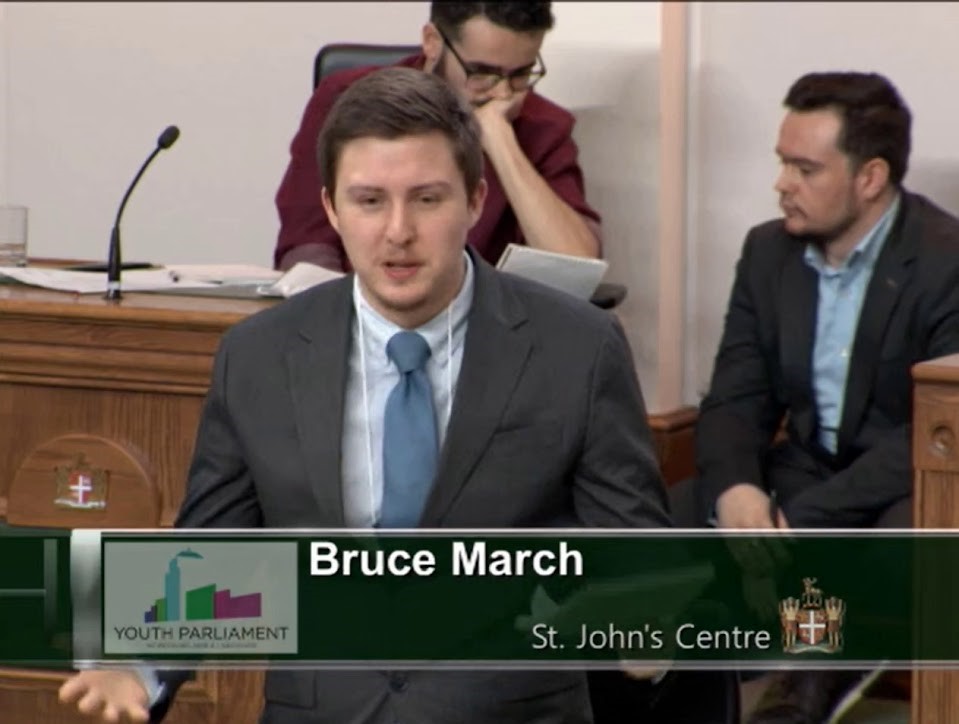
About a month ago, I had seen online the prospects of attending something called ‘Youth Parliament’. As someone who is interested in politics and enjoys being involved with as many facets of it as possible of it, I thought, hey, this looks like something for me. So, I applied and in a short time, to my delight, I was accepted. Up to this point, I had only a brief idea of what Youth Parliament was. It’s that organization that emulates provincial politics and allows youth to discuss issues I thought to myself. However, after the week-long experience, I can surely say that it is so much more.
According to the NLYP, “The Newfoundland and Labrador Youth Parliament (NLYP) is a multi-partisan, non-profit organization, run entirely by youth, which is dedicated to bringing the experience of parliamentary democracy to the youth of the province of Newfoundland and Labrador. The aims of the NLYP are to educate youth about the institutions of Parliament, the rights and responsibilities of citizenship in a democracy, to provide a forum for youth on issues concerning society, and to help youth develop their skills in public speaking and debate.”
Honestly, I can say this description is certainly accurate but doesn’t do justice compared to actually attending and showing the value in an organization like this. Often, young people feel a barrier between themselves and involvement in politics and find it hard to see themselves actually participating in it. A lot of the time, I’ve heard the disillusioned sentiment of not feeling effectively represented or just having your concerns dismissed. In that respect, the NLYP empowers and provides a platform to get involved and voice your concerns on a range of issues.
Promoting Active Citizenship in Future Leaders
The structure of how NLYP operates is very similar to that of which it tries to emulate, the House of Assembly. There is a government bench with the Premier and their Ministers and an opposition bench with the leader of the opposition and their critics. The government proposes resolutions, and the opposition critiques them. However, every member/delegate in attendance is not bound to partisan affiliation to either bench and is free to voice their opinion and vote accordingly on all matters.
It is with this that Youth Parliament shows its inherent value. With an age group of 15 – 24 participating in debates, discussions, and decision-making; Youth Parliament nurtures crucial abilities like critical thinking, public speaking, and teamwork among parliamentarians. These skills are indispensable for their personal development and prepare them for future leadership positions. Quite simply, by involving young citizens in policy formulation and governance, Youth Parliaments foster a sense of ownership, civic responsibility, and active citizenship, ultimately cultivating a more democratic society that values and respects the contributions of its youth.
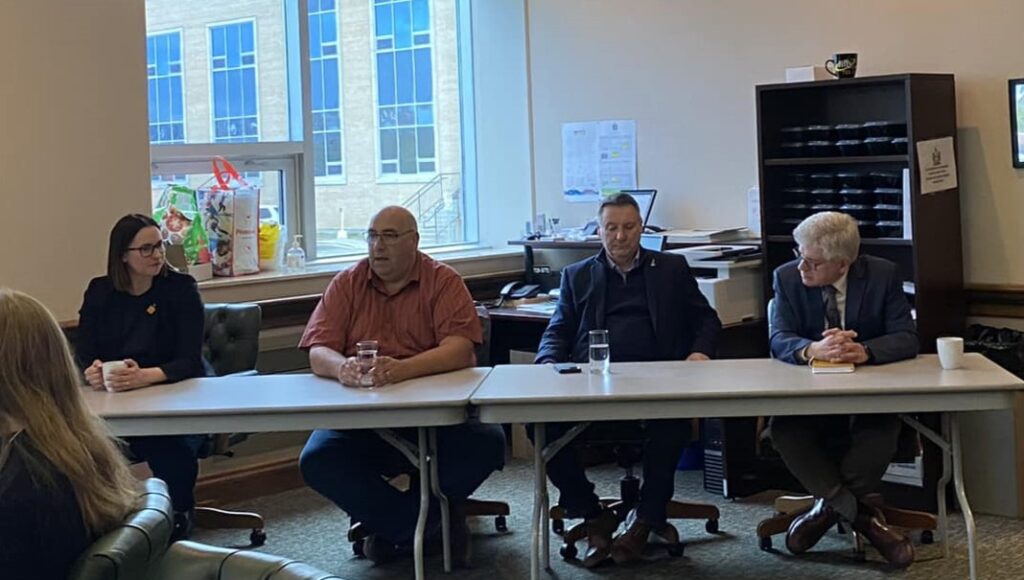
As well in addition to participating in the House, Youth Parliament also offered various events and panels from politicians working in public service who were able to share their experiences of their time in politics. A panel at confederation building on provincial politics featured Sarah Stoodley, Liberal MHA for Mount Scio and Minister of Digital Government and Service NL, David Brazil, PC MHA and Interim Leader of the Opposition, Paul Lane, Independent MHA for Mount Pearl-Southlands and Jim Dinn, MHA for St. John’s Centre and Leader of the NDP. Topics ranged from constituency work, healthcare, jobs, and education.
From left to right: Sarah Stoodley, Paul Lane, David Brazil, Jim Dinn
In addition to this, Youth Parliament also offered us experiences and events outside of the Confederation Building. During our time, we were given the opportunity to tour the Colonial Building, the old legislature of Newfoundland and Labrador, learning about its history and how our province used to be governed. Constructed in the mid-19th century, it served as the seat of government for the former colony of Newfoundland, up until being replaced by Confederation Building in 1959.
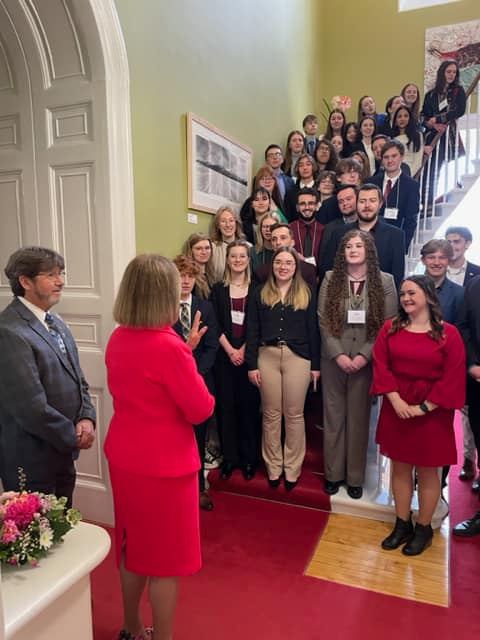
We were also greeted by Lieutenant-Governor Judy Foote at Government House, the representative of the Monarchy in the province. It is the site of various significant events, including the swearing-in of provincial cabinets, the granting of royal assent to legislation, and the reception of notable individuals and delegations.
Lieutenant Governor Judy Foote with Youth Parliament Delegates
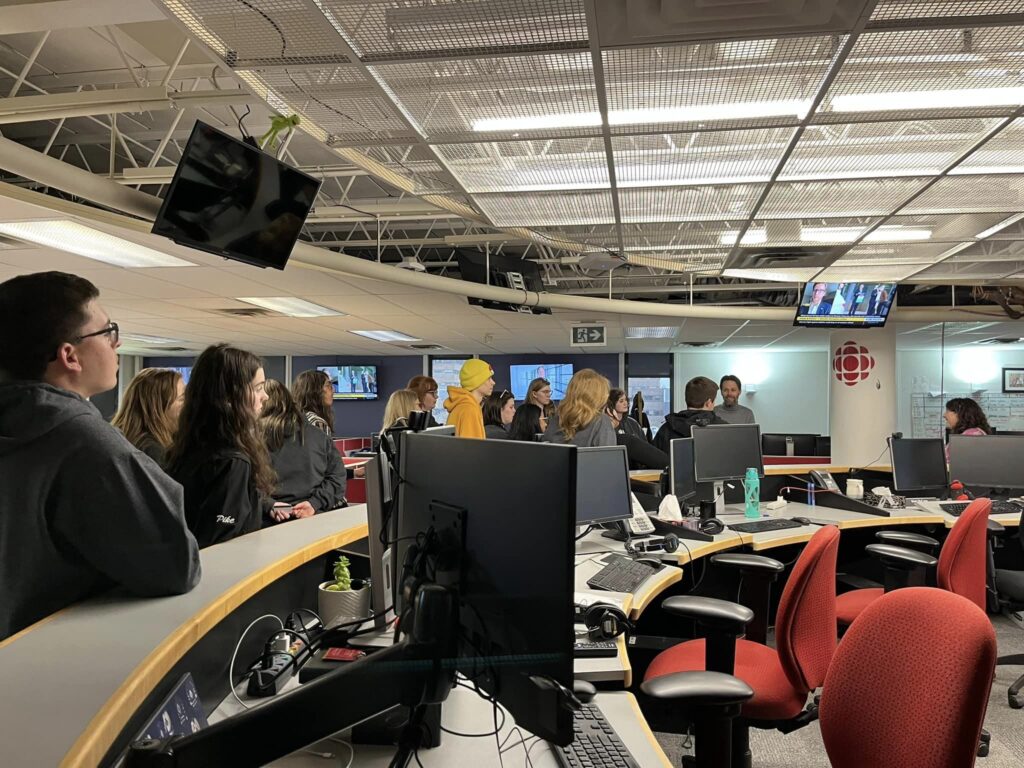
Finally, we were given the opportunity to tour the country’s public broadcaster, the CBC. It is there where Peter Cowan explained the process of reporting on various events in the province, and the “behind the scenes” work that goes into producing programming such as Here and Now.
Peter Cowan speaking to delegates inside CBC
Delegate Experience & Thoughts
Overall, the experience of Youth Parliament is one that leaves a lasting impression on its participants, offering not only a memorable journey but also equipping them with invaluable skills. The delegates who attended Youth Parliament shared their feedback, reflecting on the profound impact it had on their personal growth and development. Many expressed gratitude for the opportunity to engage in lively debates, participate in decision-making processes, and collaborate with like-minded peers who share their passion for politics.
The NLYP was an eye-opening experience. It really opened my eyes and ears to all the outputs people have on life, all the ways they’ve lived that impact their opinions and thoughts on different matters. Overall, I think this is an opportunity suited for everyone. It’s easy to make friends because, on some level, everyone has similar interests or mindsets. It’s also a great experience to get your voice heard and hear others. Everyone is an equal, which I think is really important. There’s no one better than another. I would recommend the NLYP for anyone and everyone, regardless of their involvement level in politics.
-Makenna Jackson Representing Carbonear-Trinity-Bay De Verde
Overall, the NLYP experience is something everyone who loves people and learning about there province and everything that happens in it should sign up for. Being around so many like minded people from so many different backgrounds and experiences is one of the most eye opening and community building moments I’ve experienced. Overall NLYP has given me opportunity’s and new ideas that will help form me into a better person.
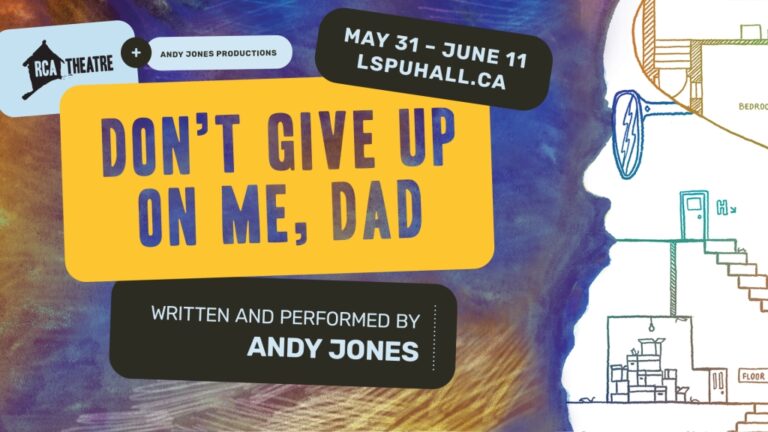
In the upcoming play, “Don’t Give Up on Me, Dad,” veteran playwright Andy Jones pays tribute to his late son, Louis, who died by suicide in 2014. Through this deeply personal production, Andy explores Louis’ struggles with mental health and shares his own journey of grief and healing. A show years in the making, a personal journey of finding meaning and reconciliation for Andy, “Don’t Give Up on Me, Dad” aims to be an impactful production that showcases and celebrates Louis’ life and his struggles with mental health.
“There’s no them and us”
The play’s core message emphasizes the importance of addressing mental health as a collective responsibility. Andy believes that there is no “them and us” but rather all of us together, seeking to understand and solve the complexities of mental health. He urges society to cultivate empathy and support to create a more compassionate environment. Having dedicated extensive research to the subject, Andy acknowledges that he cannot single-handedly solve the challenges of mental health. However, he aims to contribute to the cause through his artistic abilities and storytelling.
There is hope
Andy offers a message of support to students facing mental health struggles, recognizing that it is an individual battle with no one-size-fits-all solution. He encourages them to explore various avenues of support, from therapy to self-care practices like yoga or walks, to find what works best for them. Throughout our conversation, Andy noted that what works for him, might not work for everyone else. Mental health is as much a personal challenge as it is a societal one. It is important to do whatever it takes for one to overcome struggles. For Andy, it has been yoga, walks, therapy, and writing this play, while for others, it may be completely different.
Empathy
“Don’t Give Up on Me, Dad” serves as a poignant reminder of the need for empathy in society. By sharing his family’s story and his son’s journey, Andy hopes to foster greater understanding and awareness of mental health’s impact on individuals and their loved ones. As the play prepares to take the stage, it aims to inspire audiences to prioritize mental well-being, embrace support systems, and break down the stigma surrounding mental health. Together, we can create a more inclusive and empathetic society.
For students grappling with their own mental health challenges, the play offers hope and reminds them to seek help and utilize available support. By standing united in our commitment to addressing mental health concerns, we can make a positive difference both individually and as a society.
Memorial University, the City of St. John’s, and the province of Newfoundland & Labrador offer various mental health resources. Here are some resources that are available: