Fishing is highly political. Just because fishing isn’t as appealing as talking about the WE Charity scandal, doesn’t mean we should pay any less attention.
For a few years now, I’ve worked in seafood restaurants to pay for tuition. Sometimes I was amazed by the kinds of stories I’d hear about the fishing industry. One time I was told that Atlantic lobsters were being sold and flown internationally from the Maritimes before being repurchased by retailers from Chinese firms at a higher price. While I wasn’t able to find specific evidence of this online, it nevertheless made me rethink the implications of a seemingly innocuous trade. I have to confess that I’d never really given a whole lot of thought to the fishing industry as a whole and to some extent, working as a lobster fisherman was even looked down upon by some people I’d known growing up. I began to care more once I actually had a job which dealt with the retail end of fishing, given that I was cooking and preparing lobster on a daily basis. After moving to St. John’s I even learned from former high school friends who ended up working on boats sent around the North Atlantic.
Even after my first year, I still hadn’t taken the fishery seriously enough until I learned about the now infamous Turbot War, during a course on international law. It surprised me that the dispute was not discussed more in Canadian foreign policy or international relations. To think that actual interstate disputes (involving militarized naval deployments between NATO members) had seemingly erupted over a bunch of expensive “sea bugs” didn’t quite make sense to me. But then again, maybe it was because I never understood the appeal of lobster to begin with. Something seemed to be bubbling beneath the surface, given such serious political tensions.
When international law exists in a sort of quasi-existential crisis brought about by fundamental challenges in enforcement and compliance, Spanish boats off the Newfoundland coast can easily take advantage of this good-faith system (and we arrive at a Realist theory of international relations). This means the law becomes equally vulnerable to interpretation and difficult to enforce. Currently, Canada is engaged in a longstanding dispute with the United States over the Machias Seal Island in the Gulf of Maine. While, to the Smithsonian, it may just seem like “bickering” over a big rock with “little more than a lighthouse and some puffins,” the water’s territorial boundaries have deep implications for the lobster fishing in the region. There’s even a recent documentary on the subject called “Lobster War,” for those interested in the ongoing death threats and coastal patrols in the so-called “Grey zone”.
For many firms, the stakes are very high, and a sudden inaccessibility could impact the local Maritime economy. Anyone who’s ever watched an episode of Deadliest Catch recognizes that insiders take the trade very seriously, and for good reason. For example, crustaceans and other seafood account for an approximate third of all exports from Nova Scotia. While it might only be around 5% of exports from Newfoundland & Labrador, it’s still a $700 million dollar industry which is overlooked by petrol’s 70% export share at over $10 billion (including crude and refined petroleum). If the oil and gas industry eventually phases out, as many environmentalists would appreciate, fishing would then become the biggest economic sector in the province and a fundamental industry, similar in fashion to how oil and gas have been treated. In light of problems discussed here, this indicates an urgency to seriously consider approaching a model for ethical fishing and cooperative economics in the near future.
With the ongoing violence over Indigenous rights to fishing in the Atlantic, its not often mentioned that the Minister of Fisheries, MP Bernadette Jordan, is also tasked with managing the coast guard. Despite this, its disappointing to note that no preventative peace-keeping deployments were launched amid ongoing aggressions against Indigenous fishing rights. According to APTN, recent documents indicate that the authorities were well aware of looming threats and dangers against Indigenous fishing operations but neglected to intervene. It is hard not to come away from this information thinking that the government just doesn’t care as much as it should about fisheries.
While the international community accepts French sovereignty over St. Pierre & Miquelon, it seems like a stretch to see the logic allowing Spanish boats (accessing EU channels via France) to harvest fish in Newfoundland’s waters. Subsequently, more political problems begin to present themselves more clearly. There are plenty of other instances where similar conflicts have occurred aside from the Turbot War mentioned above.
In the Lobster War of 1961-63, France and Brazil consulted oceanographic experts in defining the lobsters at the centre of the dispute, not the water itself. There was an intense debate about whether Spiny lobsters ‘hop’, ‘leap’, ‘crawl’, or ‘swim’ and whether one of those categories technically implied that the Caribbean spiny lobster would classify as a bird. It’s another reminder about the ability of ecology to transcend political geography: borders may adjust in the short run of history, but the fish don’t really seem to care. Other well-known examples include the 1993 Cherbourg incident, the Cod Wars, and the Pacific Salmon War.
Seal hunting is another example. Some in green politics have been split over the practice as a traditional way of life for some – but that can hardly be compared to en masse hunting practises of a multi-million dollar company.
The recurring themes here are necessity, sovereignty, and nature. The issue is not even necessarily about choosing one over the other, but how to best balance what is needed as opposed to what nature can offer. On top of that, you have multiple vying actors. This is not even necessarily specific to Atlantic Canada, and as we’ve seen, its in fact a global political issue. It begs the question… Does this seem like an ‘equitable’ or fair distribution of a valued commodity? Does this seem economically ‘efficient’? Does this seem like a healthy feature of an industry? Is this what is best for the ocean’s inhabitants? It’s not common for countries to deploy militaries over timber rights or hunting access. But then again, there is plenty to be said about military deployment over rights for oil extraction.
What we’re forced to consider are questions of moral priorities in fisheries – and thus economics – and thus politics. How much is needed to feed people? How much is available to trade? How many fish should be saved and protected? Who has a legitimate claim to authority – institutions, governments, or people? And under what circumstances should that authority be challenged or overridden?
If the field of international politics plans to confront the challenges of today, then the fisheries are a great place to start given their direct relevance to issues regarding the geographic sanctity of the ocean, environmental policy over pollution, sustainable fishing practises, and labour rights. Also of interest is the suitability and efficacy of legal framework which assesses harvesting rights of nations, those governing the land in question and those Indigenous to it.
In writing this, I have not aimed to provide a solution or even promote a specific perspective regarding ongoing issues in fishing disputes; instead, I have tried to illustrate how an undervaluation of the industry (and its broad-reaching ripple effects) often spill over into dangerous scenarios in political economy. For those looking for more information, the upcoming Netflix film, Seaspiracy takes aim at exploring this darker side.
As the annual Canadian Men’s and Women’s Curling Championships come to a close, the biggest college basketball tournament is nearing down south in the United States of America. The National Collegiate Athletic Association (NCAA) Men’s and Women’s Division I basketball championships, better known as March Madness, begin on March 18th and 21st respectively. Although the tournament is strictly for Colleges and Universities from the United States, it draws plenty of interest here in Canada. Part of the reason for the hype surrounding the madness is the Canadian Talents representing the Great White North. There are over 40 Canadian collegiate athletes spanning across both divisions, battling it out for the opportunity to cut down the nets and take home the trophy. March Madness is widely regarded as one of the most exciting sporting events on the globe since the tournament is no stranger to underdogs pulling off huge upsets, and future professional basketball players display their skills. Canadians like Andrew Nembhard from Gonzaga University and Rebecca Demeke from N.C State University play a vital role in the success of the two first-seeded teams, hoping to uphold expectations and lead their teams to victory. Perhaps the most exciting part of the tournament is the bracket challenges that come with it. Fans everywhere can participate in bracket challenges, giving them opportunity to predict the winners of each game and compete against friends.
How are such large tournaments able to take place during the still ongoing COVID-19 pandemic? Precautions such as a two-day quarantine period for arriving teams and rules for players who test positive have been deemed enough by the NCAA. Whether the tournaments will run their course without any major COVID-related disruptions is yet to be seen, but the collegiate sporting community is hopeful that they will get to witness the crowning of two new championship schools during this historic season.
How to watch: Most cable and satellite television providers are home to TSN, the channel that will be bringing the madness to Canada. Other ways to watch include TSN.ca, the TSN App, and TSN Direct.
With the midterm break in our academic rear-view mirror, students have entered the final stretch of the second online winter semester. It’s time for students to put their nose to the grindstone and begin working through remaining coursework for the year. While the upcoming workload is anticipated for university students, there’s a collective discouragement surrounding the lack of feedback received up to this point in the semester. Monday, March the 8th marked an important date for undergraduate students: The last date for students to drop winter semester courses without academic prejudice. This means that students enrolled in their courses have officially committed to their class selection for this semester—a fundamental commitment when considering the permanence of a student’s transcript. While this may appear to be a simple choice for students who have been applying themselves within their courses since January, with many assignments still unreturned up to this point, it is quite the opposite.
Today, many post-graduate programs require an impressive GPA. The competitive admission requirements for post-graduate programs apply a great deal of pressure for obtaining high grades during one’s undergraduate experience. This means that for many students, March 8th symbolizes an important future-based decision: should you drop a class that shows the potential to impair your academic standing? Or to commit your initial course selection?
To fully understand the significance of the March drop-date, I interviewed two undergraduate students. The first, a 3rd year Bachelor of Arts student with future aspirations to further her education after graduation. When I asked how she felt about the drop-date she stated:
“There’s really no coming back from it. In my opinion, you need at least 50% of your course work back to know if you’re growing in the course. In the beginning, as you submit your first assignment, you’re figuring out the pace of the course—understanding your pre-existing capabilities surrounding the topic. The second piece of assessment is where you can actually understand if you’re improving; without feedback on the later assessment, it’s hard to gauge if you’re making the right choice by continuing with the course and if you’re on track to achieve your desired grade.”
Most midterm assessments are due right either before the reading week break or directly after the break. If professors don’t have all work corrected in the short timeline between submission and the drop date, it’s hard to know if an initial bad grade will improve. The following student I interviewed is in her fourth year and explained her concern regarding the drop date, stating:
“This is especially true when it comes to electives. Electives involve more decisive course selection and can really make or break your overall average. There’s often so much riding on your grades. Making a choice like this without understanding if you can reach your goals by continuing with that elective course has caused me a lot of anxiety.”
It’s hard to pinpoint how these timelines became askew. While it’s understandable that professors have copious amounts of work to correct, receiving feedback before the drop date is imperative for students to make an informed decision. Ultimately, the dynamic between a student and the institution they attend can be compared to a partnership. In this partnership, students are expected to adhere to dates and complete course requirements; in order for a successful learning experience, this expectation needs to be mutually exchanged. Without feedback to guide students, maybe the drop date should be revaluated, or further, if a professor cannot provide required feedback by the drop date, they be given the discretion to extend it.
The upcoming MUNSU elections will be taking place from 9 a.m. on Monday March 15th until 9 p.m. Tuesday March 16th, 2021 on the Memorial University self service website. In preparation for the election, candidates running for executive positions were given the opportunity to answer a short questionnaire in the form of a biography to be published on The MUSE website.
Each candidate was given a suggested word limit of 150-200 words per question, and a deadline of noon on Thursday March 11th. Candidates who did not submit completed questionnaires have been mentioned by name in the header for the positions that they are running for. All candidate responses underwent minor grammatical editing and formatting by staff of the MUSE, however, content of the answers was left completely unchanged by these adjustments. The content of these responses depict the views of the respective MUNSU candidates and do not in any way, shape, or form reflect the views of the MUSE or its staff.
DIRECTOR OF FINANCE
Candidates who did not submit a bio by the deadline: Tanner Kennie
Name: Yousef Alabed
Position: Director of Finance Services
Tell us a little about yourself:
My name is Yousef and I am in my last year in Business Administration. I am a person who loves numbers, making sense of things, human nature, books, psychology, exercise, sports and much more. I love getting to know people and their way of thinking.
For the last five years, the student union has reported large deficits in its service budgets. How would you better handle student money, if elected?
After being in the Director of Finance Services seat for a year or so, you have a better understanding of what the numbers mean what are those so called “deficits” you get to understand what the union’s purpose is. When you go to a non-profit organization you don’t ask them where your profits are because they are not really looking to break the bank. That is NOT the purpose of a non-profit organization. That said, I am all forward for the union to have more streams of income so it would be better able to serve the population. I don’t focus on expenses a whole lot; I focus on revenues. The last year for example, CHMR has almost doubled its revenues. Not only that but also empowering staff to go above and beyond while performing their job as well as being creative when it comes to serving students. So, in short, in my opinion deficits is the wrong word coupled with the wrong perspective makes this question somewhat impossible to answer and somewhat redundant.
Why should students vote for you and what changes would you bring to the union if you were elected?
Choosing to vote for me not only means that you care about the student union’s long term financial health since it’s the most detrimental thing to the student movement. It also about the services it provides from the health and dental insurance plan, the breezeway, the attic and much more. It means you are voting for a person who pushes for a culture or respect, trust and creativity.
What exact changes will you bring to The Breezeway to prevent the hundreds of thousands of dollars deficit reported on the annual budget?
The Breezeway is undergoing, and it needs some further changes. Not only should it be more student inclusive but also it should a space that the students could use all hours of the day rather than just somewhere for a Wednesday night. To facilitate that happening, first we must address the elephant in the room which excessive staffing that in my opinion is better controlled if there was an assistant manager helping the one and only manager there. This would cut down on staffing needed through days and nights. I would as well change opening hours to suit the student population and their needs a bit better. Another thing would include introducing the way overdue piece to the breezeway which is food items and other beverages besides alcohol. This is all operational changes are besides the face-lift that would be needed to incorporate the Breezeway as the modern student space that the student population is looking for where students could sit, study, come together for a meeting, a society to meet and way much more.
Name: Fahmida Ahmed
Position: Director of Finance
Tell us a little about yourself:
I am Fahmida Ahmed, 3rd year BBA student currently serving as your business rep. I have great passion for entrepreneurship and enjoy taking creative approaches. From my involvement in MUNSU I feel I have the potential to bring a lot more for the students and that is why I am running for Director of Finance this year. I want to ensure students feel connected, be able to make friends, enjoy themselves as they grow and every one of us from all parts of the world should feel welcomed.
For the last five years, the student union has reported large deficits in its service budgets. How would you better handle student money, if elected?
To help overcome the existing and future deficit, we need to be efficient in allocating our resources and make the most out of it. We cannot cut out budgets on existing projects that have been running for years to support our students, but we can contribute more resources. Finding more revenue streams to increase our budget with initial investment can be a great way to provide more for our income and to overcome the deficit.
Why should students vote for you and what changes would you bring to the union if you were elected?
The union is here to support students and protect them. If I am elected I would provide my full time support to not only the students but all the clubs and society that the students are engaged with. I want to make sure there is always something for everyone and make our university eventful, enjoyable, and simply ensure our students get what they desire from a university experience. Everyone should feel they belong here, together we make memories to cherish forever.
What exact changes will you bring to The Breezeway to prevent the hundreds of thousands of dollars deficit reported on the annual budget?
For me it’s always important to note the problem before coming to a solution, since there is a deficit, we can understand that we are at a loss and the operation is not at its fullest. We can do better, however, Breezeway would need more upgrades to be able to expect a return. We cannot assume to recover a deficit and generate income from a spot that had no major renovation and continue our operation. Simple e.g., if you are out to eat, you pay for the experience and your food. We need to make the Breezeway more lively, a diverse spot for our students to vibe that would make our students excited to come in and celebrate. To recover this deficit we need to innovate and bring back the spirit.
Name: Husam Basemah
Position: Executive Director of Finances Services
Tell us a little about yourself:
I’m a 4th-year student. I have co-chaired the team that created the Student Refugee Program at MUN in 2019. My experience with this team allowed me to see the incredible potential of student-groups. We were a group of students who created a new scholarship for refugees with minimal support. It also allowed me to see the insufficient support which limits the potential of many student groups. That is why I’m very passionate about significantly increasing MUNSU’s support for student clubs and resource centres. This will be the first step towards seeing more student achievements at MUN in every field that MUN students are passionate about.
For the last five years, the student union has reported large deficits in its service budgets. How would you better handle student money, if elected?
MUNSU’s budget does not reflect the priorities of its members in my opinion. If you ask a MUN student how they would invest over $200,000 from their budget, I do not believe that the answer would be to use this money to cover the deficits of the Attic and the CHMR. The first step to having a good budget is to think about the students’ priorities. If elected, I will launch a survey to ask students about many aspects of our investments and how they envision a better budget. This survey will allow me to present statistical data to the MUNSU board of directors about the students’ needs and priorities to help the board plan better spending of the students’ money.
Why should students vote for you and what changes would you bring to the union if you were elected?
I plan to work on three main projects:
1. I will propose the creation of a Student Startup Grant to the MUNSU board of directors. I will connect with the Memorial Centre for Entrepreneurship to organize training, space, and funding for students who have an idea to start a business.
2. I will work with the different student-groups and the MUNSU board on investing in mental health resources for our students. Many MUN students are passionate about organizing and facilitating mental health support. I will do my best to help them access and utilize MUNSU’s resources to help MUN students in need of mental health support.
3. I plan to propose a significant increase to the MUNSU grants for clubs and resource centres. The grants that we currently provide are nowhere near enough. Student issues are raised by student groups. It is the job of the Students’ Union to provide these groups with significant support to get the students’ voice heard.
What exact changes will you bring to The Breezeway to prevent the hundreds of thousands of dollars deficit reported on the annual budget?
The Breezeway has a fantastic potential. Restaurants at the university make so much in profit. There is no reason for us not to be able to earn money through the Breezeway space. Making the Breezeway a restaurant and a bar is a great option if done properly. I plan to work with different business consultants to understand what the best option for students is.
DIRECTOR OF STUDENT LIFE
Name: Bert Power
Position: Executive Director of Student Life
Tell us a little about yourself:
My name is Bert Power, I currently serve as Director of Student Life, and I am asking students to consider me for re-election to MUNSU’s Executive. I am in the final year of my studies in Music with a focus in Percussion and Composition, served as the Music Student Representative on the MUNSU Board of Directors, and have worked as a Lab Assistant at the Memorial University Electroacoustic Research Lab. I am co-director of the community-based non-profit music group Nova Collective, a group of musicians dedicated to the performance of new music in purposeful spaces. My passions include artistic collaboration, learning about political history, and helping enact material change in people’s lives in whatever way I can.
For the last five years, the student union has reported large deficits in its service budgets. How would you better handle student money, if elected?
I believe that there are efficiencies that can be found within the operations of the Union, particularly as it relates to the roles and responsibilities of the executive. That being said, MUNSU provides a service and is not in any way a business. Our primary responsibility as a Union is providing affordable services the students want and need, not finding ways to implement internal austerity measures in the name of chasing profits that in no way translate to an improved capacity to address student needs. The idea that the Union needs to turn a profit at the expense of the subsidized services, advocacy, and resources currently available to students belies a deep misunderstanding of the role of the Students’ Union.
Why should students vote for you and what changes would you bring to the union if you were elected?
I am asking that students re-elect me as Director of Student Life because I believe that, in being a part of the executive team that has confronted the challenges of the COVID-19 pandemic, I have developed important skills and a thorough understanding of the needs and responsibilities of the Student Life portfolio. Over the last year, I have implemented internal and external mechanisms for processing Recognition, Ratification, and Grant/Funding applications more efficiently and have become adept at handling internal conflicts within Clubs, Societies, and Resource Centres. I led the charge in offering free Webex accounts to ratified student groups and have developed a strong relationship with the Student Experience Office that will help us to improve student group activities and promotion across the whole university. I hope members will consider this record and re-elect me as Director of Student Life.
Name: Targiv Sanan Roham
Position: Executive Director of Student Life
Tell us a little about yourself:
I’m a passionate international student from Bangladesh in the second year of pursuing my International Bachelor of Arts in Political Science. I’ve always been the kid who’s wanted to create change wherever I’ve been involved. I’ve spent the better part of my teenage years involved in community service which began during my exchange year in the US from 2015-16 and is something I still love doing.
For the last five years, the student union has reported large deficits in its service budgets. How would you better handle student money, if elected?
My first job would be to familiarize myself with the issues and study the previous years’ finances. I for one, believe that change is obviously not a singular objective but a collective one. I can take an initiative but for the effects to trickle down, it must be a collective effort and I’d like to work with the other executive members and staff members if elected to make changes in how we allocate money to be more efficient. For example, increasing funds to clubs and societies, reallocate funds from areas where we are losing money and create a more holistic financial future plan.
Why should students vote for you and what changes would you bring to the union if you were elected?
As an international student, it’s often tough living thousands of miles away from family, in a completely new place with completely new people and culture. However, these adversities are what make me a far more passionate and hardworking candidate as MUNSU gives me a purpose, a reason to look forward to the future and work even harder to create an inclusive atmosphere where everyone belongs. It makes me more aware of the issues faced by international students and I recognize problems from a neutral point of view. International students need representation and what better way than having an international student in the student body government. MUNSU needs a fresh face and a change in the dynamics. We need to make the student body more active and make them feel like not only do they belong in MUN but why it’s an absolutely amazing opportunity to be a part of such a great atmosphere, the atmosphere which I would passionately pursue to provide. Throughout the year I’d like to engage the student body through events, projects and conversations. I’d like to focus on the clubs and societies as I believe they’re at the bedrock of engagement for students. That’s how students would make friends and find their passions outside of the classrooms which I believe is an essential part of growth and belonging throughout a student’s years at MUN.
DIRECTOR OF CAMPAIGN
Candidates who did not submit a bio by the deadline: Mehzabin Chowdhury
Name: Draco Dunphy
Position: Executive Director of Campaigns
Tell us a little about yourself:
I am a 21 year old BBA and BA student from Harbour Main, NL and I’m the first in my family to pursue a university degree. I’m passionate about language revitalization, linguistics and public policy, and I love the outdoors.
For the last five years, the student union has reported large deficits in its service budgets. How would you better handle student money, if elected?
Like when I was serving as the Sustainability Director, I would stand against excessively high orders of certain MUNSU promotional materials as it is neither economically nor environmentally sustainable to have large amounts of outdated materials piling up. Furthermore, I would push for service optimizations to ensure that students are able to make the most of the services they pay for. In my experience, it seems that students often don’t know about many of the services that MUNSU provides, and I think that’s one of the first things that needs to be worked on.
Why should students vote for you and what changes would you bring to the union if you were elected?
A vote for me is a vote for someone with experience. I have been involved in student organizing for the last two years, and in those two years, I have served as the MUNSU Sustainability Director, as a member of the Senate of Memorial University, as a member of the MUNSU Campaigns Committee, as the Indigenous Students’ Rep of CFS-NL and as the interim CFS National Executive Rep for the Circle of First Nations, Métis and Inuit Students. I have had experiences in developing campaigns with the CFS-FCÉÉ in different capacities, and I have had experience in implementing campaigns at Memorial University.
In terms of changes that I would bring to the union, I want to ensure that many of the internal processes of MUNSU become more environmentally sustainable and that opportunity cost is considered before spending decisions are made.
DIRECTOR OF ADVOCACY
Name: Jawad Chowdhury
Position: Executive Director of Advocacy
Tell us a little about yourself:
I am a second-year student completing my Bachelor of Science with a focus in computer
science. My change-maker journey started from Asia Pacific Youth Exchange, Thailand, where I served the community and platform with more than 600 people as a delegate and moderator. I am a big believer in social enterprises and open-source technology. In my freshman year at Memorial University, my team won the Map the System MUN rounds with an open-source personal care technology idea called ‘weDoc.’ My team and I are still working on the project, and our goal is ultimately to provide free health care with the help of open-source AI technology. Besides this, I am also the vice-president of events and planning at the international students’ resource center, and general secretary of the Bangladesh Students’ association. I am very passionate about Advocating for student voices across Memorial University. I play bass guitar and take portrait photos in my free time.
For the last five years, the student union has reported large deficits in its service budgets. How would you better handle student money, if elected?
Let us de-fund the Attic, CHMR radio, and the Breezeway bar. These projects should be adapted to the current revenue structure and should be self-sustaining. MUNSU’s primary focus should be on spending money on things that matter to the students. A student start-up and training grant shall be introduced, a part of the fund mainly focusing on international students. International Students at MUN suffer many income insecurities, making it harder for them to operate at maximum potential. This fund might act as an inspiration to many international students. Our university is only as good as our graduates. Having a start-up and training fund will make sustainable developments for the university and its students.
Why should students vote for you and what changes would you bring to the union if you were elected?
Although considered public information, many students don’t know about their rights on and off the campus. My job, first and foremost, is to raise awareness so that students can become strong advocates of their voices, especially under these circumstances when academic misconduct at Memorial has peaked and broken records. Students with academic withdrawal suffer greatly mentally when issued with such a decision. It is crucial to address their mental state before navigating them to academic appeals. I believe it will inspire them to return to studies and continue studying with full academic integrity. It is essential to understand that a student’s academic career always comes first. International students are very vulnerable to this topic since their eligibility to study in Canada will depend on whether they can continue their studies. Being an international student myself, I understand the pressure and mental stress these students go through. I help with all possible resources to navigate them with care and in the most stress-free environment possible.
Students, regardless of race, color, national origin, sex, disability, have a voice that should be appropriately represented at every university decision-making place. Having a strong network with students across all communities at MUN will help me become a strong advocate for their voices. I am very passionate about advocating for an equal and accessible society and working relentlessly to better the student community at Memorial University. I strive to represent all student interests and ensure that students are heard equally.
Name: John Isiswe Mweemba
Position: Director of Advocacy
Tell us a little about yourself:
I am pursuing a Political Science honors degree and double majoring in Law and Society. I believe I am an approachable person outside of academics; I love to meet new people and give back whenever I can. I am a very passionate person – I love to express myself as much as possible through music and writing. As a person who has played a lot of team sports, being a team player is a key characteristic I have added through many years of sports. As a lover and player of soccer and basketball, I am used to going the extra mile for my team and those around me. I am a lifelong learner who believes the best way to learn is through traveling and seeing. I have had the opportunity to visit four continents in which I have learned so much. I am not just a student at MUN but in life as well; I am always looking to improve myself as a person and a learner.
For the last five years, the student union has reported large deficits in its service budgets. How would you better handle student money, if elected?
Institutions like MUNSU are constructed for the benefit of the student and should always strive to better the student experience at MUN. Budget cuts and deficits hinder this process. However, mismanagement of funding is equally as important. If I were to be elected to the advocacy position, I would ensure resources are put into student services that thoroughly help students – like accessible legal aid for all students.
Why should students vote for you and what changes would you bring to the union if you were elected?
Voting John for Advocacy would be a vote for equality and representation for all students at MUN. I have had the opportunity to represent minorities at MUN as well as departments therefore I have seen many issues to be improved upon. I would ensure every student receives as much help as possible regardless if they are an international or a local person because everyone deserves the most from MUN. I will make sure to advocate for every students’ needs despite the adversity we have faced this year. I believe representation is vital in the student experience and I will ensure that everyone receives the assistance they need as well as the representation if elected.
Name: Advay Khaitan (Adi) (they/them)
Postition: Director of Advocacy
Tell us a little about yourself:
I’m Adi, and I go by they/them pronouns. I’m a third-year business major hoping to move into either social work or psychiatry (medicine). While I still have an uncertain path, I do know I love helping people and I wish to make a career out of it. I’ve advocated for students in the past as the Paton College Representative on MUNSU’s board of directors while serving on the elections (temporarily), campaigns, student life, advocacy, policy review, membership engagement, and hiring committees on MUNSU, residence executive committee, the residence council, senate committee on academic appeals, and the senate committee on course evaluations. Apart from these, I also started the Migrant Students United MUN chapter, was among the first members of the Migrant Students United national movement and continued to advocate for students when I wasn’t doing any of those.
I am currently a MUN ambassador, a volunteer assistant and MUN liaison with the Student Volunteer Bureau, a peer supporter at the Internationalization Office, and a proud member of MUN SAGA. I also volunteer to help people struggling with their mental health and I’m trained in well over 50 mental health courses along with some physical health ones including Advanced Cardiovascular Life Support. I’ve also had the tremendous opportunity to receive entrepreneurial training through start-up incubators and accelerators including the Memorial Centre for Entrepreneurship, Propel ICT, and the Genesis Centre. Apart from my interest in helping people and learning new things, I also enjoy meeting new people, and making friends from around the globe.
For the last five years, the student union has reported large deficits in its service budgets. How would you better handle student money, if elected?
While I’m aware of the losses, I’ve had the tremendous opportunity to hear from a plethora of students on what could have potentially caused these losses. While I acknowledge that profit isn’t the purpose behind these stores, and I would love to talk about the inevitable doom capitalism will lead us to, I will perhaps save that for some other day.
I believe that a major mistake being made is MUNSU stopped listening to and proactively asking students what they would like to see. Breezeway is a massive market for on-campus residents; however, many students I’ve spoken to dislike going there or don’t find it fascinating enough. Students want food, open space, and more entertainment. As a business student with entrepreneurial experience, I’m aware that there is so much room for change, and I will help bring those about to the best of my ability.
The Attic is competing with the university’s bookstore for many things as well leaving a massive question in the minds of many people: what can you get at the Attic for cheaper except for bus pass or Canada Post? I don’t think it is prints considering the costs at the Attic is twice what it is at other printing spaces on campus.
With that being said, I understand this is not the Executive Director of Advocacy’s territory so I would make sure to let the Executive Director of Finance do their job (which I’m sure the student body will do an excellent job in selecting), but I’ll do my best to work alongside them and provide them with all the support I can; after all we work as a team.
Why should students vote for you and what changes would you bring to the union if you were elected?
I’ve been actively involved as a volunteer and an employee on campus. I was previously the Paton College Representative with MUNSU, where I participated in a combination of ten MUNSU and MUN committees. I also work as a peer supporter where I interact with students in quarantine for all 14 days of their self-isolation making sure they’re doing okay. Apart from this, I have volunteered with the business administration undergraduate student society, the Student Volunteer Bureau, as a mental health representative, MUN Mentor, and a MUN ambassador. This experience has immensely helped me get involved within the university, learn more about changes people wish to see, and being the Executive Director of Advocacy would help me bring those ideas and viewpoints to fruition, advocate for students, and help me continue fighting for us! In my various involvements around the campus, I’ve also had the opportunity to build upon relationships with various members of the university community, which I believe would be of tremendous help to me in my role. Apart from this, I would also use this opportunity to work with the Board of Directors, the university administration, and more importantly, the students (that’s you) to fight for our rights and make our voices heard. As the Paton College Representative, I have a proven history of working for students, increasing accountability, and keeping my word. I have had the opportunity to work with some wonderful students across residences and build upon relationships between Student Residences and students living under their roof. I’ve been an advocate for more voice on the table, and a strong believer of the importance of dialogue and communication to offer and receive constructive criticism to better serve the student body. As a student who identifies as a member of the LGBTTQQIAA2S+ community, a student of color, an international student, a mental health advocate, a student with a disability, someone who has lived both on and off-campus, an active volunteer, a feminist, and an ally to people from other constituencies, I hope to build upon the egalitarian culture and the culture of consent and acceptance at Memorial. Remember to vote and spread the word by sharing this post and commenting what you wish to see from your Executive Director of Advocacy.
Here are my 6 promises to students that I aim to work on if I get elected:
● I will have an open and ongoing communication with all students to make sure everyone feels heard and welcome.
● I will work my ass off to advocate for students and to make sure all of us are heard and treated fairly.
● I will serve, represent, and work with students to the best of my ability, since we deserve to be heard and we matter!
● I will hold myself accountable and try my best to achieve nothing short of an ideal outcome.
● I will work towards ensuring there is student representation always involved in decisions made at the university.
● I will treat each advocacy case as my own and put my heart and soul in representing students.
I understand that holding this position and being able to use my voice is a privilege, and I intend to use that privilege on representing the student body and making our voices heard to the best of my ability.
Also, I’m fun, I promise!
DIRECTOR OF EXTERNAL AFFAIRS, COMMUNICATIONS, AND RESEARCH (ACCLAIMED)
Name: Hilary Hennessey
Position: I have acclaimed the Executive Director of External Affairs, Communications, and Research position at MUNSU.
Tell us a little about yourself:
As a way to formally introduce myself, my name is Hilary Hennessey, and I am a third-year Bachelor of Social Work student. I am the oldest out of five siblings, and the first to attend university. Since coming to Memorial, I have been interested in social and criminal justice, as well as advocacy, which is what influenced me to apply to the School of Social Work in 2019 and go on to complete a Certificate in Criminology in the Fall of 2020. In addition to this, I am very passionate about raising awareness of mental health and ensuring that individuals have proper access to the resources and support they need to succeed within their environment. On a non-academic note, I am a lover of tea, studying in coffee shops, spending time with family and engaging in outdoor activities such as hiking with friends. I am also obsessed with animals, so I am quick to harness any opportunity to mention that I am a proud dog momma to a three-year-old Gordon Setter named Waylon.
For the last five years, the student union has reported large deficits in its service budgets. How would you better handle student money, if elected?
As I have worked under the current Executive Director of External Affairs, Communications, and Research, as the Communications Assistant for the past 8 months, I have been included in vital conversations with board members that relate to how we can better utilize and distribute our funds at the Students’ Union. Based on these conversations, I believe that there is a dire need to invest more time, money, and effort in promoting and ensuring the mental health and well-being of all students.
As there have been concerns raised about Newfoundland students, and members of our community, facing high levels of stress and anxiety at this time, as a result of the pandemic, I believe that better budgeting support services to help students cope with the aftermath of COVID-19, and all the challenges that have come along with that, needs to be made a top priority. I believe that the Students’ Union can potentially utilize student funds to support initiatives that would benefit mental health resources and support at our university.
As your Executive Director of External Affairs, Communications, and Research, I will make it a priority of mine to seek various ways in which we can eliminate barriers to achieving mental wellness, and better these services for all undergraduate students at Memorial University. In saying that, I believe that I can respectfully communicate presenting concerns raised with board members, work together to evaluate such areas with concerning parties, and most importantly, emphasize the need to further consult students on this matter, as a way to truly reflect the current wants and needs of those we are committed to representing.
Why should students vote for you and what changes would you bring to the union if you were elected?
Although students will not have the opportunity to vote for me, as I have been appointed to this position, I still wanted to take this opportunity to share what changes I wish to bring to MUNSU. After having conversations with the current Executive Director of External Affairs, Communications, and Research, I am hoping to continue working in areas that we have identified as in dire need of change such as, ensuring all Memorial University students know what the Students’ Union is, and what we have to offer them. Therefore, while in this position, I am hoping to generate more awareness of MUNSU and the various ways we can offer support and guidance to students throughout their undergraduate journey.
As a result of the knowledge, experience, and certification I have obtained thus far, I believe that I cultivate the skills needed to break down presenting barriers contributing to inadequate communication between students and directors at the Students’ Union. From working and volunteering with the Students’ Union throughout the last year, I am aware that there is a lack of input from the student community, however, during my term as an Executive Director, I am committed to making a change and attempting to establish that needed connection. I also believe it is important to make known that I value transparency. In saying that, while in this position, I will be committed to constantly seeking, encouraging and welcoming honest feedback from undergraduate students, as a way to gain insight on how we can better the wonderful services that MUNSU has to offer.
As mentioned, I have a deep understanding of the importance of having access to adequate mental health resources and support. Therefore, I am making it a goal of mine to work collaboratively with board members, student resource centres, and the external community to establish ways in which we can eliminate barriers to achieving mental wellness and accessing such supports at our university.
I am very honoured and excited to have the opportunity to utilize the skills, experience, and education that I have obtained thus far to advocate and be a voice for students. In saying that, I am really looking forward to the upcoming academic year. However, I want students to be just as excited for the future that lies ahead. Therefore, if you have any insight on how we can work together to make MUNSU, and Memorial University, a better place for all students, especially communication and engagement wise, please do not hesitate to reach out to me personally at hphennessey@mun.ca.
COVID-19 has impacted most of our lives in many ways. However in these unprecedented times, some women have stepped up in several ways to keep things moving.
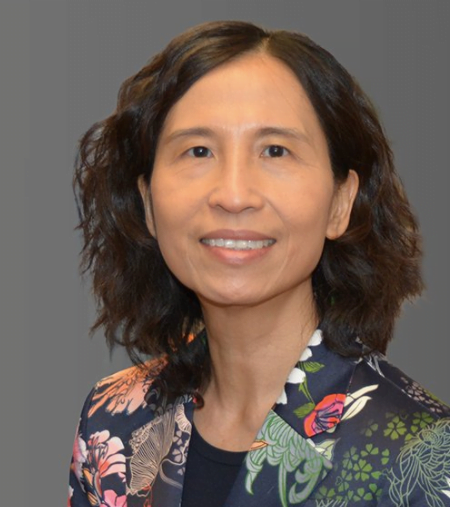
1. Dr. Theresa Tam, BMBS (UK), FRCPC
Chief Public Health Officer, Public Health Agency of Canada
Dr. Theresa Tam became Canada’s Chief Public Health officer in June 2017. Before that, she has worked in several leadership positions, including being involved in Canada’s response to public health emergencies such as the severe acute respiratory syndrome (SARS) outbreak in 2003 and the H1N1 pandemic in 2009. Before starting her 20 years long Public health experience, Dr. Tam obtained her medical degree in the United Kingdom from the University of Nottingham. Next was a pediatric residency at the University of Alberta, followed by a pediatric infectious diseases fellowship at the University of British Columbia. She is a Fellow of the Royal College of Physicians and Surgeons of Canada and a graduate of the Canadian Field Epidemiology Program. To recognize her outstanding role in Canada’s COVID-19 response, she was named Chatelaine’s Woman of the year 2020.
Dr. Theresa Tam –Twitter account
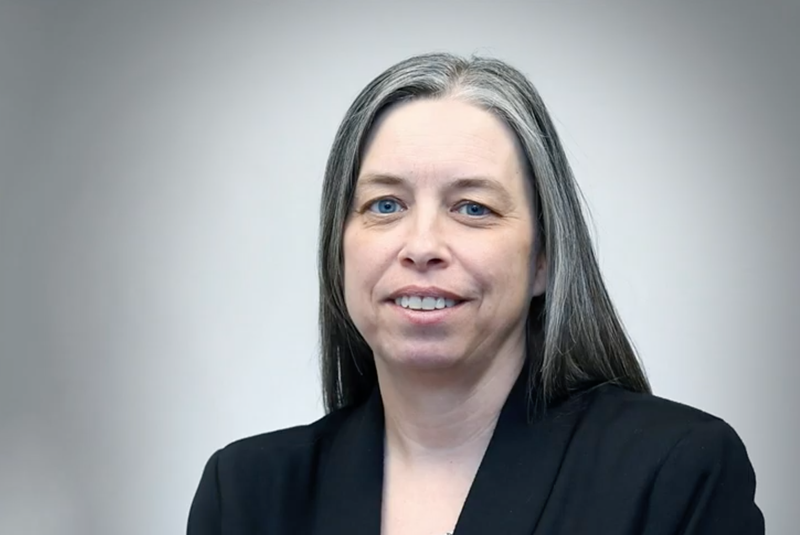
2. Dr. Janice Fitzgerald
Chief Medical Officer of Health for Newfoundland and Labrador
Before beginning the Chief Medical Officer for Health in Newfoundland in 2019, Dr. Janice Fitzgerald worked at the Department of Health and Community Services in 2017. Before that, Dr. Fitzgerald obtained a Bachelor’s in Biology and a medical degree from Memorial University of Newfoundland (MUN), followed by a Physician residency at Dalhousie University. Next, she returned to the province and worked as a family physician in different parts of the province for over two decades. She later completed a Master of Public Health at MUN before moving to work with the Eastern regional health Authority. Under her guidance, the province of NL maintained an overall low caseload, with a few clusters arising across the province. In recognition of her role in these challenging times, Dr. Fitzgerald was awarded the Family Physician of the year in 2020. Also, thousand of NL residents have signed a petition to name the new MUN core Science building after her.
Dr. Janice Fitzgerald – Saltwire
3. The outstanding essential frontline women
All the frontline worker women (including the backend laboratory technicians who perform the COVID tests) are the real MVPs and G.O.A.Ts. Their selfless work helps keep the rest of us safe while working together towards better/COVID-19 free times.
Pinterest
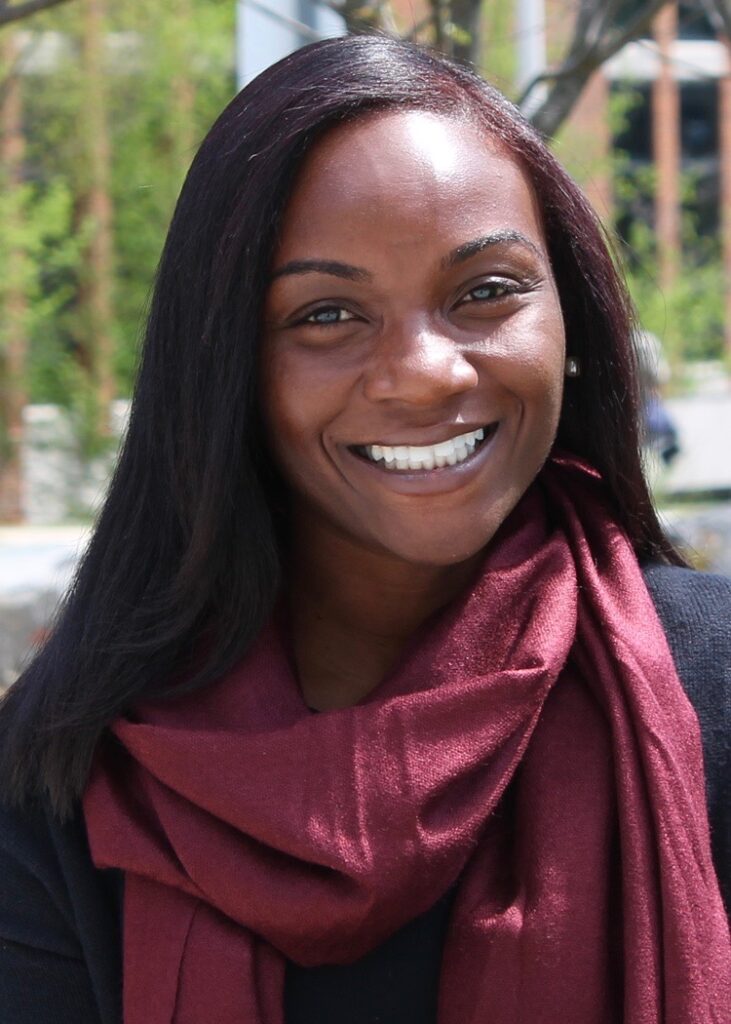
3. Dr. Kizzmekia Shanta Corbett
American Immunologist, Research fellow and scientific lead for the Coronavirus Vaccines & Immunopathogenesis Team at the National Institutes of Health (NIH), National Institute of Allergy and Infectious Diseases, Vaccine Research Center (VRC).
Dr. Kizzmekia Corbett is notable for a leading researcher behind the design of miR-1273, the COVID-19 microRNA vaccine deployed by Moderna Inc. and currently being disseminated across the world. Before she began her position at the VRC, Dr. Corbett obtained a Bachelor’s in Biological Sciences, with a secondary major in Sociology from the University of Maryland – Baltimore County. A Ph.D. followed this in Microbiology and Immunology from the University of North Carolina. Overall, Dr. Corbett has over 15 years of experience studying viruses, including dengue, influenza and coronaviruses. In recognition of her outstanding contribution to the global coronavirus response, she was recognized as one of Time’s “2021 Time100 Next” under the category Innovator, with a profile written by NIH’s Dr. Fauci. Orange County, North Carolina, named January 12th, 2021, as “Dr. Kizzy Corbett day” to honour Dr. Corbett’s efforts.
Kizzmekia Corbett portrait – Wikipedia
4. Dr. Özlem Türeci
German Physician, Scientist and Co-Founder Bio-N-Tech
Dr. Özlem Türeci is the Co-Founder and Chief Medical Officer of BioNTech and an immunologist and cancer researcher with translational and clinical experience. Her experience and passion are instrumental to developing mRNA-based individualized and off-the-shelf vaccine candidates and other immunotherapies currently under clinical development, which were all completed in less than one year. Before this role, Dr. Türeci served as CEO and Chief Medical Officer of Ganymed Pharmaceuticals AG, co-founded with her husband Prof. Ugur Sahin and Christoph Huber. Previously, she obtained a degree in human medicine and a doctorate from the University of Saarland, Germany. For many years, she has focussed on researching the identification and characterization of cancer biomarkers and developing cancer immunotherapies. In recognition of her role in the fight against COVID-19, Dr. Türeci and her husband were recognized as the Financial Times (FT)’s people of the year 2020.
Dr. Ozlem Turecci – Twitter
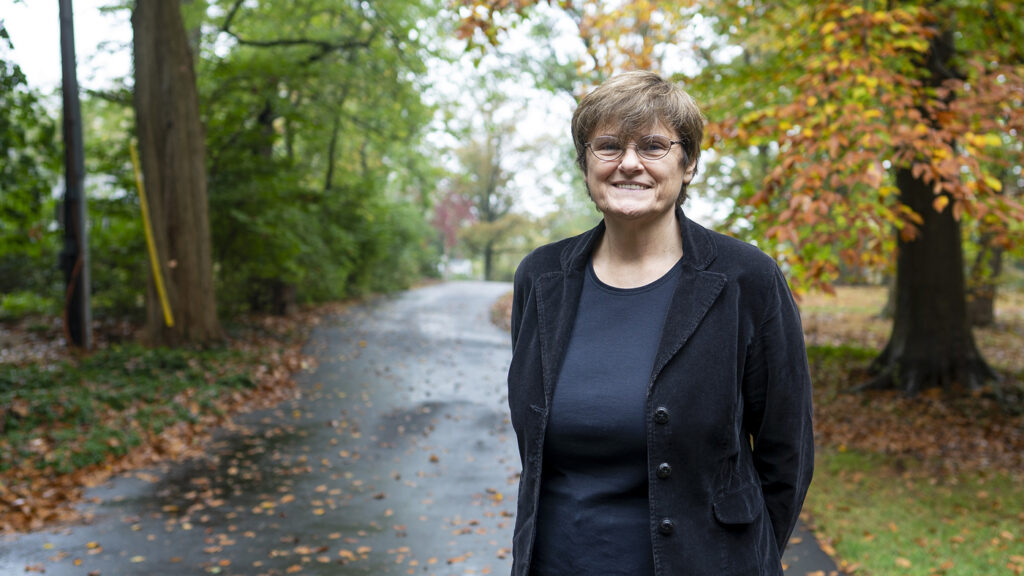
5. Dr. Katalin Karikó
Biochemist, originator of mRNA vaccines and Senior VP at BioNTech RNA pharmaceuticals
Dr. Katalin Karikó obtained a degree in Biology and a doctorate, both in Hungary. She continued research as a postdoctoral fellow before moving to the United States to continue postdoctoral research. For several decades, she has been researching and studying the use of messenger RNA (mRNA) for gene therapy. This study and technology laid the groundwork for the currently used mRNA vaccines in the fight against COVID-19. Together with immunologist Prof. Drew Weissman, Dr. Karikó holds US patents for applying non-immunogenic, nucleoside-modified RNA. In recognition of her groundbreaking work, which has been many years in the making, she was awarded The Rosenstiel Award for Distinguished Work in Basic Medical Research, together with Prof. Weissman in 2021.
I recently had the opportunity to interview the President and Vice-Chancellor of Memorial University of Newfoundland and Labrador, Dr. Vianne Timmons, about her first year at Memorial University.
“It is going to be a year on April 1st,” Dr. Timmons tells me, “and I remember being so excited. I am, of course, still excited, but I moved here right when the lockdown happened. I lived in an Airbnb for five weeks to self-isolate. I started not even able to be on campus. That was a challenge. I think the biggest challenge for me, and I’m sure you can relate to this, we do these jobs because we love education, and we love students. The biggest challenge to me is the inability to see students and to walk the halls of campus. There is a real sense of loss without the students around.”
Dr. Timmons joined Memorial University after 12 years as the University of Regina’s President and Vice-Chancellor. As a Saskatchewan resident myself, I had heard of Dr. Timmons’ many accomplishments, which are recorded here in her official biography, including her listing as one of the 10 most influential women in Saskatchewan in 2009.
“I hope so,” Dr. Timmons tells me when I ask the question on everyone’s mind. “I have my fingers crossed that [we’ll be back on campus this fall]. We’re in such unprecedented and unpredictable times, so I have stopped making predictions.”
Dr. Timmons expressed concern for her students, especially those just out of high school beginning their university experience. Those students are missing out on experiences unique to the first year of university, which grant students a sense of independence. “I hope that if they had a real tough year, they don’t question their ability or that they don’t question if university is right for them.”
Dr. Timmons: “[In Regina,] I worked very closely with students. I went to as many of the sports games or musical performances of theatre as I could to hear the students and see the wonderful talent on the University campus. It is very much part of why I love my job; being able to see the students. I used to just walk the halls so I could feel the energy from the students, and that would give me a boost. If I was having a day where I was not feeling the energy, all I had to do was walk the halls, and it definitely would [give me a boost]. It’s a really important part of a University for me. Well, it is the University for me, the students.”
Charlotte Baxter-Smith (CBS): “How did having that connection change your approach to your first year at MUN?”
Dr. Timmons: “I had to figure out a way that students would know who I was, even faculty and staff, because I wasn’t able to meet people in person. I had never done a Twitter video, but I decided to. My first day, I did a Twitter video. I did it by myself, outside the Airbnb I was at. I actually slipped while I was doing it, I must have done about twenty-five takes, but I slipped doing one of the takes. I sent it to one of my children, who said, ‘mom, you need to post that too.’ I posted my first April 1st video, and then I posted the blooper. It just started a way for me to connect with students in a different way than I ever imagined. So I continued it. I actually started Tales From the Road, MUN. During my presidency, that has been a way that helps me feel connected. Students will tweet back or chat with me online. All of that is really important to me, and that’s been a really positive experience.”
“If I was walking through the campus, and I would see students, I’d rush right over and introduce myself, ask them how things were going. If I was visiting places around the province, I always tried to meet students and chat with them, and students found me, which was fun.”
While speaking with Dr. Timmons, the conversation consistently returned to her passion for creating a diverse campus. Her time at the University of Regina was especially notable for this. Dr. Timmons broke the record for student enrolment growth and increased the diversity of students, faculty, and staff. She considers this her most significant legacy, and she hopes to continue this work at MUN.
Dr. Timmons said this on the subject of inclusivity and diversity:
“[In Regina,] I’m most proud of the push towards an inclusive campus. I think we accomplished a tremendous amount in that process, not only increasing international students, students from indigenous backgrounds, but a large increase in students with disabilities. I think it changed the campus in a very positive way. That would be the legacy that I am the most proud of, is the change in the demographics of the campus. Coming here, I have so many aspirations. That being one, to see our campus even become inclusive here and to increase the diversity of our students. Not just increase the diversity, but make sure that we are a welcoming, accommodating environment for students from all different backgrounds, religions, genders, disabilities; that’s really important for me and help. I’m hoping that that will be the legacy I can bring here.
[Truth and reconciliation] is also a passion for me. Making what was once invisible, visible is important to me. I’m very fortunate to have Senior Advisor on Indigenous Affairs, Captain Anderson, who’s exceptional. Memorial is so committed to truth and reconciliation Indigenization of campus that that means a lot.
I’m of Mi’kmaq ancestry; that was hidden and something to be ashamed of. I want to make sure that people today don’t feel that shame that my father felt. It’s like trying to find your story that somebody hid from you, not just hid from you, but changed for you. We’re so proud of our heritage—Italian Canadian, French Canadians; but when it comes to my father, being Indigenous was not something to be proud of, it was something to be ashamed of. That is heartbreaking.”
Dr. Vianne Timmons
This past summer, while restrictions were lighter, Dr. Timmons drove across Newfoundland and Labrador, visiting all MUN’s sites. They put over 8000 km on the car. “It was fascinating and wonderful to see how Memorial’s tentacles touch every aspect of this province.”
Dr. Timmons’ excitement is contagious, and hopefully, everyone can share in her plans for Memorial’s future.
Whether you’re sitting in the class before a midterm or scrolling through the MUNday Mail, you’ve probably heard a reference to the Blundon Centre as a student at Memorial. Perhaps you’ve even questioned if their services could help you? For many students, the Blundon Centre is an ambiguity, delineated to different assumptions that students hold around the idea of academic accommodations. While you might recognize that The Blundon Centre is rooted in student services for academic success, you may also question who can avail of these services? And you’re not alone! Research shows that only half of the students struggling come forward to get support. After my interview with the centre manager Jason Geary, I learned that the Blundon Centre is not exclusive to helping any student in particular but instead dedicates itself to maximizing equitable access to a successful learning experience.
The Blundon Centre is the office that students can go to talk about their academic success. This provides students with a confidential, safe space to discuss their needs for learning during challenging times. The Blundon Centre works closely with the Student Wellness Centre and can direct students that are struggling without a distinct diagnosis with an advisor. The Blundon Centre advisors can then work with students to help build specific strategies to approach their workload; the advisors can also help fulfill needs for time management techniques, counselling services, psychologists, learning strategists, etc. These services can further help students find their strengths and maximize their potential for success.
In my discussion with The Centre manager Jason Geary, he recognized that “equitable access to learning is what allows success” while describing the accommodations offered exclusively through the Blundon Centre. This equitable access hinges on the unique approach suited to each student’s individual needs; based on the students supporting documentation. Required documentation is specific to the student’s disorder and can come from Physiotherapists, Doctors, Psychologists, Occupational Therapists, etc. The Blundon Centre’s Accommodations have a broad range from academic to non-academic services, including accommodations for ADHD, Anxiety, Concussion or Post-Concussion, food allergies, and even accessible parking for those who require it.
The Blundon Centre also takes a proactive approach to help students by integrating “Universal Design” learning frameworks, Jason described this as: “an educational design system that encourages the development of courses and content where that student has increased evaluation choice.” These learning frameworks provide an inclusive learning process for students.
The reality of needing support during your academic life is inevitable during normal times. Still, as we all know, the COVID-19 pandemic has introduced students to increased stress while already balancing student life’s daily priorities. The unprecedented difficulties that come with navigating a whole new learning environment can be overwhelming. The centre staff understands this increased stress and as Jason emphasized “If you feel like you should be “better” at this, remember that everyone is struggling and it’s okay to ask for help.” As a result of online learning, the number of students with accommodations has skyrocketed at The Blundon Centre since the beginning of the pandemic—a great sign that students are aware of their needs and willing to reach out to reach their goal despite these uncertain times.
During my conversation with Jason, he stated that “you don’t need us until you need us, and it’s never too late”. This resonates as a reflection of how challenges that threaten academic success can occur at any time. Despite multiple assignments and copious amounts of material to learn, there is no deadline for needing support. Whether you’re in your first semester of your first year or the last semester of your final year, the Blundon Centre recognizes that each student has unique needs to excel in their learning environment.
Academic life can be daunting at times, but it’s important to remember that you’re not alone; support at the Blundon Centre is only an email away. As an institution offering over one-hundred-degree programs, there are thousands of students and a plethora of unique aspirations for each of those students. Each student holds their own strife for success and there is no shame in achieving your goals with campus support.
A closing reminder for the students from Jason Geary:
“The institution is really trying to acknowledge that students are unique and have unique needs, but the support is there.”
This week, the Muse had the opportunity to speak with Provost Dr. Mark Abrahams to discuss online academics, the value of extracurriculars (and what we have lost from them in a digital space), and Memorial University’s financial situation.
Online education has proven a tough adversary, but staff and students of Memorial University have been battling it together.
First, Dr. Abrahams and I discussed how the switch to online learning has affected academia. Specifically, we talked about the recent scandal of increased academic misconduct, the role of extracurricular activities in an online environment, and the university’s financial situation.
Students have been questioning the validity of an online education. When asked what he thought about the quality of an online/remote education, Dr. Abrahams replied, “you’re not getting the same experience as you would on campus.” He added, “this is [not] the preferred form of educating our students, it’s our preference because this is the only way we can do so safely.” He stated that he is hopeful we will soon return to normal, and hopes “that we will benefit from this experience and… take the good parts and carry those forward.”
Later, Dr. Abrahams and I were able to discuss the recent ‘cheating scandal’ at MUN. On February 23, 2021, the CBC released an article citing a drastic increase of academic misconduct at our university. This article was met with predominantly negative feelings from students, who thought that the university’s focus on academic integrity rather than supporting students and faculty is unfair.
I questioned why the university would participate in an anti-cheating article when I (and other students like myself) thought there were much larger issues this year. In mentioning these complaints, I cited a lack of easily accessible academic support and the availability of sites like Chegg, which can permit students to find entire exams online, thus increasing the temptation to cheat. When asked if he thought the rise of cheating could be attributed to a lack of support for students and a lack of support for professors, who may not have incentive or resources to create new exams or new ways to force students not to cheat, Dr. Abrahams stated first and foremost that “it’s clearly a complex issue. And, you know, nobody is heaping all the blame on one particular group at all, and that’s certainly not the university’s position.” Going on, he said:
“It’s not helpful for people to point fingers at each other and blame some other group. As you say, we’ve been encouraging faculty to be lenient with students, but we’ve also been encouraging students to be lenient with faculty. The bottom line is it’s hard for everybody. And really, everybody needs support, and that’s the position of the university. We’re trying to support – we’re in the business of our students being successful and our faculty absolutely want their students to be successful, and we’re here to support both groups.”
Dr. Abrahams, MUN Provost
When asked how the rise of cheating at MUN will affect the university’s status as an educational institution, Dr. Abrahams claimed that “Institutional status is a relative measure. And so, we are by no means alone, in fact I think every university around Canada and I believe around the world is struggling with this same situation.” As such, it might come at a shock to students that the gravity of this issue across the world was not mentioned in the CBC article. Perhaps this information would have minimized some backlash for students.
The article also references the issues of class group chats as these have caused innocent students to be implicated in cheating. On this issue, Dr. Abrahams said, “my concern are those people who end up inadvertently being accused of cheating, mostly by being a victim of circumstances.”
The issue of group chats implies the problem of isolation: for some students, class group chats have been one reliable source of support which is otherwise unattainable in the online environment.
When asked what the university might recommend students do to minimize their feelings of isolation if group chats are unsafe, Dr. Abrahams outlined the ways in which the university is hoping to increase student-to-student interaction. He mentioned the library single study spaces and the plans for study rooms which “which would allow us to maintain social distancing but would allow students to interact with each other, actually have a conversation without using a computer to do so… Something which is a rare commodity this past eleven plus months.” While these solutions will not be possible until Eastern Health permits, Dr. Abrahams referenced some “websites and web supports that we are trying, to support not only the academic problem but some of the social problems at the university as well.”
To echo Dr. Abrahams, I am also hopeful for a return to a normal campus experience in the coming future, wishing that university will go back to being the “University Experience,” where a student can work on finding themselves through things like groups, extracurriculars, and other things a campus has to offer.
Dr. Abrahams and I discussed extracurricular activities and their importance to university students. Extracurricular groups can significantly increase a student’s connection to their school and their education, while allowing them to build skills and resume items as well. As a member of a few societies and clubs, I am very aware of the difficulties organizations are facing as education remains online. In the isolation of online school, a time when groups and clubs could really benefit students’ mental health, it is appropriate to find out how the university sees these groups.
When asked about the value of extracurriculars, Dr. Abrahams stated that “[they are] incredibly valuable, and I think that’s probably the part which has contributed the most to a lot of the stress that many people experience… not being able to enjoy those additional experiences that provide that extra meaning to the university experience.” He said that the Student Union has been able to offer groups free Webex software to host meetings, and while “it’s a poor substitute for being together physically… [I] do believe that I think there is an end in sight to the current environment in which we see ourselves, so I’m hoping that whatever solutions are in place hopefully will only have use for a couple more months.”
When I asked what Dr. Abrahams thought the province’s poor financial standing meant for the school’s reputation, he replied “Memorial University is always committed to the quality of its programs and of all its graduates. We just need to know what environment in which it it is that we are operating so we can adjust accordingly.”
Furthermore, I asked Dr. Abrahams how he feels about student services such as MUNSU which have been losing student money consistently. As students, we have a right to be aware of where our money is going and to know that it is being put to good use. Dr. Abrahams pointed me toward MUNSU for these answers, and emphasized that “there is no extraordinary financial situation that the university currently finds itself [in].”
After the interview, I asked Dr. Abrahams if he had anything to say directly to students. He said,
“The university doesn’t exist if we don’t have our students. So we’re here to support our students, and if there’s anything that we can do to further support our students we would be more than happy to do so. I am hopeful that the pandemic will be coming to an end in the not too distance future and I’m hoping to have something more approximating a normal academic year next year, but the one thing I’ve learned is that it’s very difficult to predict the future.”
Dr. Abrahams, MUN Provost
I would like to thank Dr. Abrahams and his office for taking the time to speak with the Muse.
As dismal as the past year has been, we now add to the queue of sorrowful events the retirement of the enlivening electronic music pioneers, Daft Punk. Though they will not be producing any more albums as a group, we can still hold our hats at our hearts in hope of some solo work from either of the two members.
Daft Punk was a union of two French musicians in the early 1990s. They had a taste for the manipulation and creation of sounds beyond the acoustic. Guy-Manuel de Homem-Christo and Thomas Bangalter became part of a wave of French artists that were experimenting with music made using synthesizers, samples, and the art of mixing music. The union between these two individuals culminated in the production of a unique style of electronic music that has commonly been referred to as the “French Touch.” As masters of this genre, Daft Punk enjoyed fame and success as one of the most talked-about purveyors of electronic music of all time.
Their well-deserved recognition was not taken for granted. Guy-Manuel de Homem-Christo and Thomas Bangalter produced four studio albums, a live album, several singles, and a soundtrack album for the movie Tron: Legacy over just six years.
In addition to producing phenomenal electronic and dance music, Daft Punk have also been known for their insistence on anonymity. Presenting themselves as faceless musicians, and most commonly as robots, Guy-Manuel and Thomas Bangalter have succeeded where many other musicians haven’t. They have achieved success without compromising their personal lives. By maintaining their anonymity into their retirement, Daft Punk have become firmly intertwined with their legacy as ordinary-men-turned-superheroes.
Daft Punk’s presentation of themselves as half-humans, half-robots, have fueled the imagination of their audiences for decades. While emphasizing a focus on their music in place of the lack of personal information, Daft Punk also inspire a mix of fantasy and reality in true escapist style.
As innovators from the era when MTV still played music videos, many longtime fans will mourn the loss of Daft Punk. I for one will always find a kind of solace and peace in their music that no other genre has ever been able to offer me. There is something unique about getting lost in the rhythm of a song that has no lyrics simply because it doesn’t need to. The music speaks for itself. The magic and intrigue that I associate with Daft Punk will endure, as will their legacy in the collective mind of their fans.
Universities around the globe have transitioned into remote education to avoid large gatherings and help fight the spread of COVID-19. The sense of community surrounding Memorial University feels somewhat diluted, with most of the campus vacant and most course offerings taking place online. However, through these difficult times, the Sea-Hawk community has found a way to stay connected to one another through fitness.
Sea-Hawks Strong is an 8-week online workout program that is free for Memorial University students to join. The program aims to encourage students of all fitness levels to get moving at home. Workout plans are posted three times a week, supplemented with exercise videos featuring MUN’s own Sarah Dunphy completing the workouts. Sarah is a third year Kinesiology student with a passion for fitness and health.
The program currently has around 300 participants signed up. The at-home fitness project focuses on cardiovascular and strength training programs that use little to no equipment for workouts. Students can access videos of the workouts and have the opportunity to follow along at their own pace and comfort level. The training program can also be adapted to increase resistance through the use of makeshift weights such as school books, cans, towels, and whatever else a student’s creative mind can devise.
When asked how rewarding physical activity can be during a pandemic, Sarah said “The regular physical activity is great because it keeps me on a schedule, which can be more difficult now that I work from home. I can also feel my fitness level improving since the beginning of this program so that’s great to see”.
Getting active and participating in a free fitness program is a great way to boost your health and feel connected to your peers during these unusual times.