

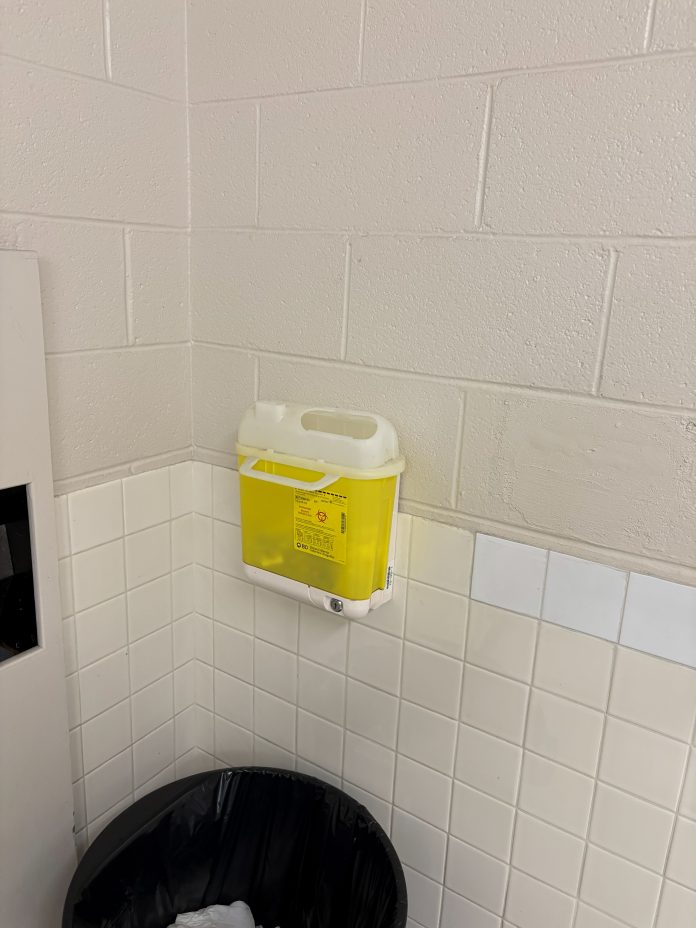
In August, the MUN Diabetes Society checked over 160 washrooms on campus and found that “only about 20% had sharps containers.”
Of all locations checked, they found that the worst sharps-container ratios were in the Arts and Admin and Science buildings.
Sharps containers are usually yellow boxes seen in washrooms, used to dispose of needles, syringes, and other sharp medical items.
According to Kobe Nippard, President of the Diabetes Society, students who need injectable medication, like those with diabetes, need sharps containers available to keep both students and custodial staff safe.
Nippard had one student tell him that after administering an insulin shot, he “chose to pocket the needle” instead of throwing it in the trash—due to there not being a sharps container—and he would “rather have it stab him than the custodial staff or another student.”
To him, more sharps containers give students who use these washrooms and the staff who clean them peace of mind.
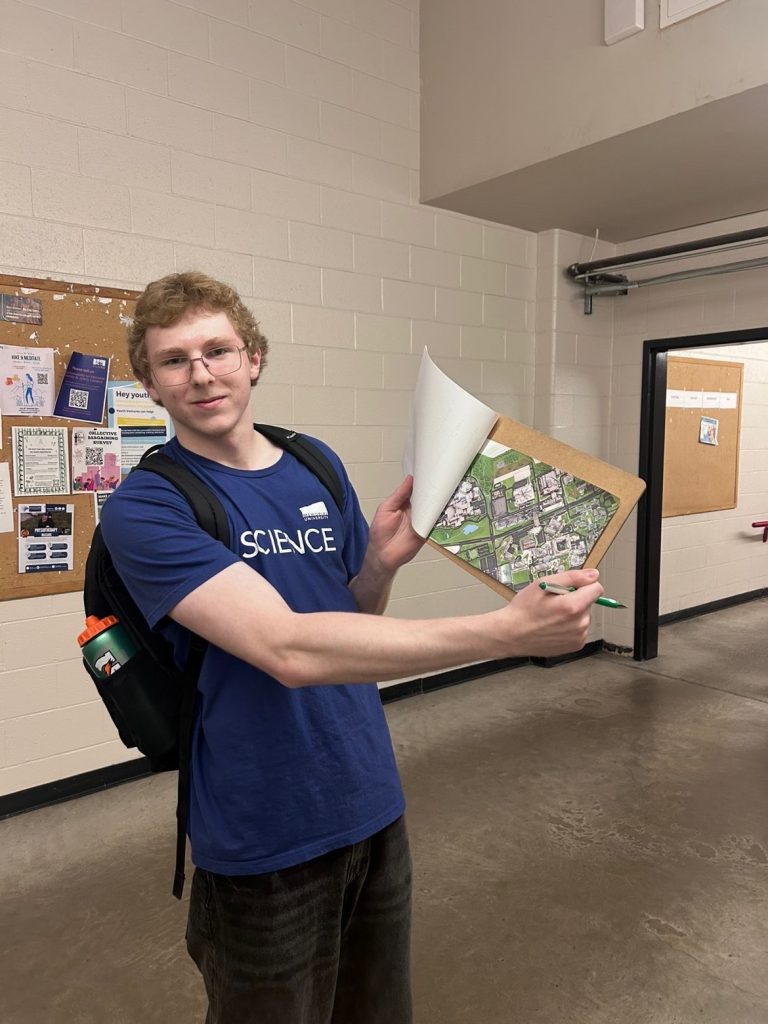
Incidental needlesticks can transmit many infectious diseases, especially bloodborne pathogens, according to the Canadian Centre for Occupational Health and Safety.
Claire Reddy, the society’s Social Media Manager, added that it’s another unnecessary stress for students: “You already have class, your schedule, and maybe work—and adding to the disposal of your sharps is not needed.”
Although it varies from person to person and based on the situation, getting an insulin shot can be what Nippard described as a “time crunch.”
With the fast-paced environment of university and short times between classes, Reddy argues that students shouldn’t have to run between buildings just to find a place to dispose safely: “We want to make it visible, and we want to add more containers to the washrooms, so you don’t have to be making those big long walks around campus.”
Beyond the containers, Nippard stated, “I think it just goes to show, in the big picture, [it’s] a larger issue of accessibility on campus.”