

Disclaimer: This article is intended for information (and entertainment) purposes only and is not a substitute for medical advice. We’re here to break down the options, not tell you what to choose. Bodies are complicated, Google is questionable, so talk to your healthcare provider to find an option that’s right for you.
University teaches you a lot of things. How to write a research paper? Sure. How to survive on energy drinks and a questionable amount of sleep? Absolutely. How to choose a birth control method that’s right for you? Weirdly… not so much.
Whether you’re in a long-term relationship, a situationship, or have sworn off dating entirely after getting the ick a few… hundred times, birth control is one of those topics that’s worth knowing about before you need to know about it. It’s not the sexiest conversation, but neither is frantically searching “can I get pregnant if…” at 1:30 in the morning. So, here are some options:
The pill
The pill is the celebrity of birth control. It’s the one everyone has heard of, the one your health teacher probably spent the most time talking about, and the one that’s been around the longest to earn its reputation.
You take one pill every day, ideally at the same time, and let it do the rest. The pill is reliable, well-researched, and pretty low-maintenance… provided you remember it every day. It’s a great option if you’re someone who thrives on routines, and many users enjoy lighter periods and fewer cramps.
If your routine consists mostly of “I’ll remember later,” you might want to enlist the help of a phone reminder. But remember, it doesn’t protect against STIs.
Intrauterine Device (IUD)
The IUD has a bit of a reputation. Mention it in a group of women, and someone will immediately say, “I’ve heard the insertion hurts.” Fair enough. But once a healthcare provider inserts it, it’s one of the lowest maintenance birth control options out there. Depending on the type, it can last anywhere from three to ten years.
Its biggest appeal is that you can almost forget it exists. Hormonal IUDs can make periods lighter, or even stop them altogether in some cases, while copper IUDs are hormone-free.
The trade-off is that insertion isn’t exactly anyone’s idea of a fun afternoon. Being told “okay, now open your legs. And scooch down. Just a little more. No, a little more. Just a tad more” is always awkward. Despite this, many people find the long-term convenience is worth it. Much like the pill, however, the IUD does not protect against STIs.
The patch
The patch is proof that not all heroes wear capes; some just stick to your arm.
It doesn’t get as much attention as the pill or the IUD, but it’s a solid choice for anyone who’s ever looked at daily medication and thought, “absolutely not.” You stick it on your skin, replace it once a week for three weeks, then take a week off before starting a new cycle.
Its biggest selling point is that it takes the pressure off your memory – you only have to think about it once a week instead of every day. It can also make periods lighter and more regular for some. The only catch is remembering to swap it out each week… and resisting the urge to peel at the corners when you’re bored throughout the day. Like other hormonal methods, it won’t protect against STIs.
The ring
The ring is one of those birth control methods that suffers from a terrible first impression. Yes, it’s called a ring. No, not that kind. People hear where it goes and immediately have 47 follow-up questions. Thankfully, it’s much less dramatic than it sounds.
You insert it yourself, leave it alone for three weeks, swap it out, and carry on with your life. It quietly does its job without the demand of your attention every single day. It can also help regulate your period, which is a nice bonus.
The downside? If the thought of inserting it yourself makes you cringe, it might take some getting used to, and despite its many talents, STI protection isn’t one of them.
Condoms
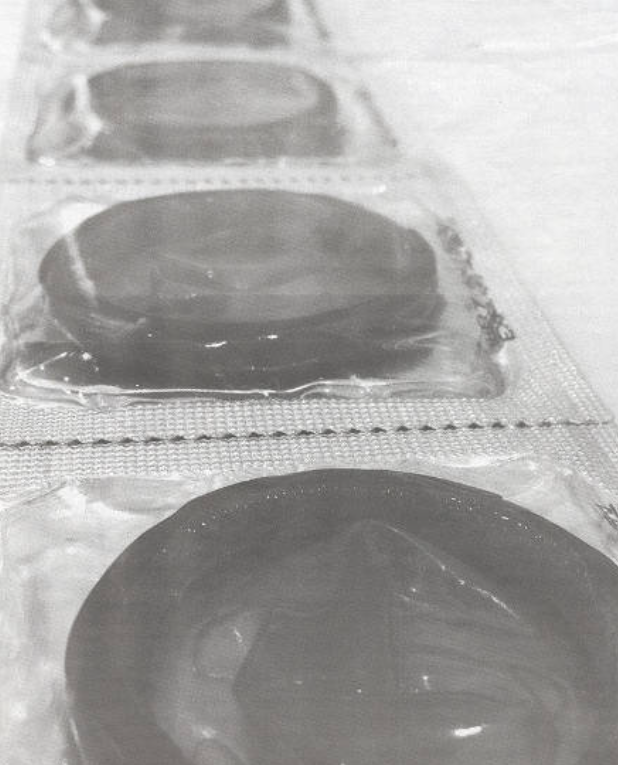
Condoms are the classic. The little square that’s been sitting in bathroom drawers, backpacks, wallets, and questionable jacket pockets for years. They don’t care about your GPA, your relationship status, or whether you’re “not looking for someone right now.” They’re not here to judge your choices; they’re just here to help you make smarter ones. They’re affordable, easy to find, hormone-free, and the only method that helps protect against STIs.
The only setback is they require a little preparation and cooperation from everyone involved, which is why “I didn’t think we’d need one” remains one of the worst opening lines in the history of dating.
At the end of the day, the best birth control method is the one that actually works for you. Maybe that means a daily pill, a long-term option, a trusty condom, or a conversation with your healthcare provider that starts with “okay, I have a few questions.” University is already full of enough surprises; your birth control doesn’t have to be one of them.
*This article first appeared in The Muse’s Sex, Drugs, and Rock and Roll print edition, published September 2026.