

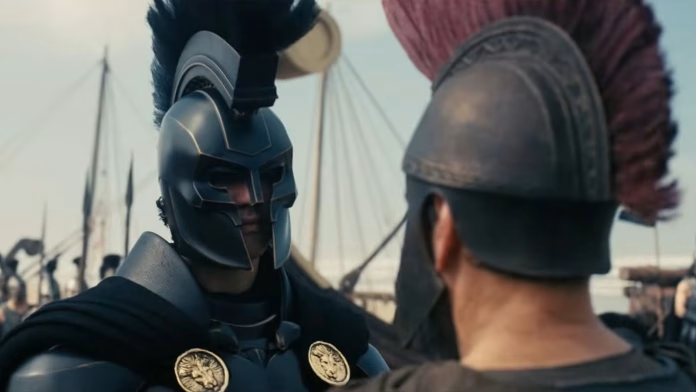
Nolan’s The Odyssey has been released in theatres, raking in a massive box office haul and raving critic reviews, despite widespread split reception amongst audiences, with many taking issue with the faithfulness and “historical accuracy” of the film.
This is not about the loud grifters who went ballistic over Lupita Nyong’o and Elliot Page simply being in the movie. This is about the criticisms aimed from people who actually know what they’re talking about. Maybe they’re actual historians, classics majors and/or profs, or simply people who have done a lot of research in their own free time.
But before that, let’s start with a review of the film.
The biggest strength of The Odyssey is without a doubt the sound and score. As a film made for IMAX first, it is loud, but also knows when to cut the sound out. Similarly, Ludwig Göransson’s score is, per usual for him, absolutely spectacular. Mixing in synth with a whole array of ancient Greek instruments was a stroke of genius on his part.
The performances are a mix of spectacular highs and bland, forgettable lows. Matt Damon is unsurprisingly great as Odysseus, alongside Robert Pattinson as Antinous and Zendaya as Athena, and Elliot Page makes the most of his small role as Sinon. Far and away the standout of the cast is Anne Hathaway as Penelope, who is more than deserving of an Oscar nod for this.
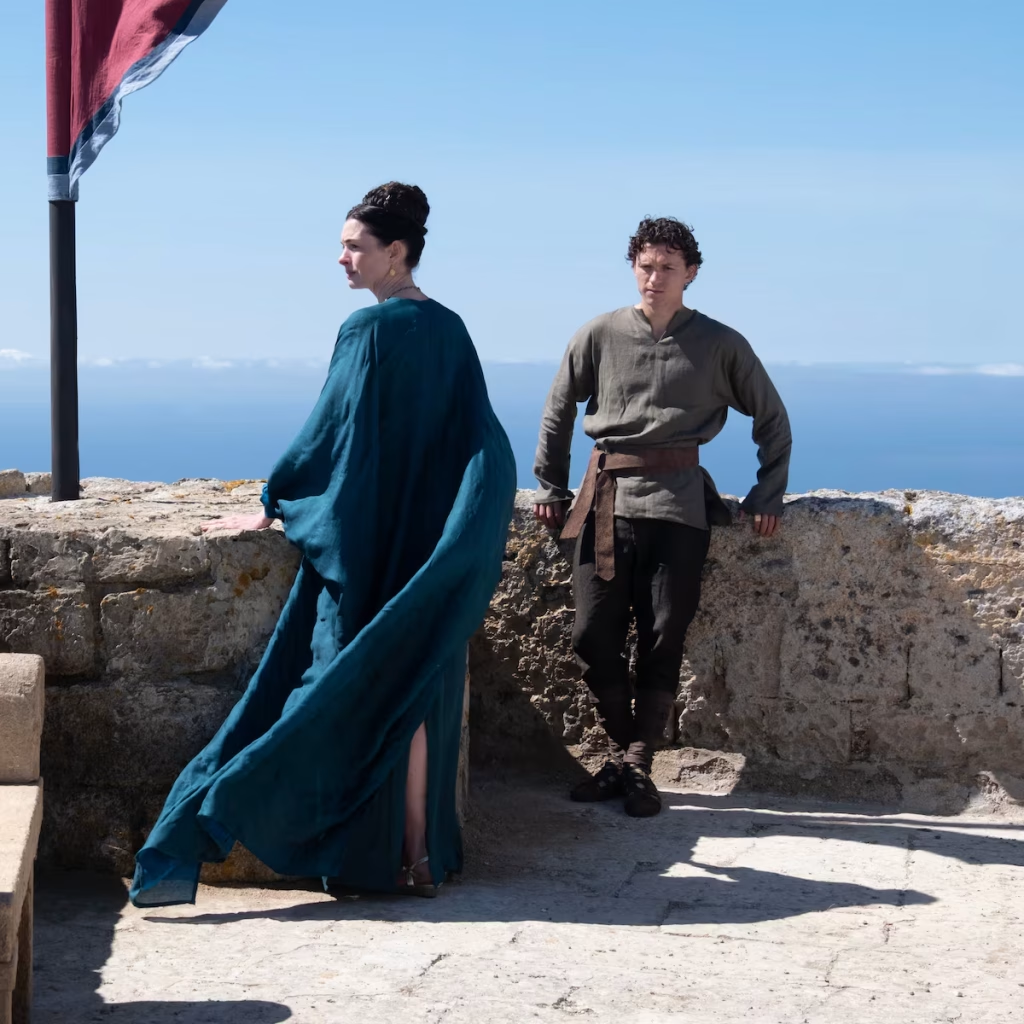
Aside from them, most of the cast ranges from good enough to underwhelming. Tom Holland is decent as Telemachus, the problem is that he looks and sounds like he just showed up straight from the set of the new Spider-Man movie. Jon Bernthal is just playing himself and not Menelaus, and Benny Safdie as Agamemnon is a profoundly confusing choice, even if his costume is phenomenal.
The film is shot incredibly well, per Nolan’s standards, and the commitment to practical effects is both commendable and highly effective. Just knowing the Cyclops was actually a real puppet during filming made the whole sequence that much better.
Overall, The Odyssey is a very good film, and another quality addition to Nolan’s filmography, although it’s certainly not his best work. In terms of rating, I’d say it’s an 8/10, and make sure to see it in IMAX if possible.
As a film, it’s quite solid. As an adaptation of Homer’s The Odyssey? That’s a question with a more complicated answer.
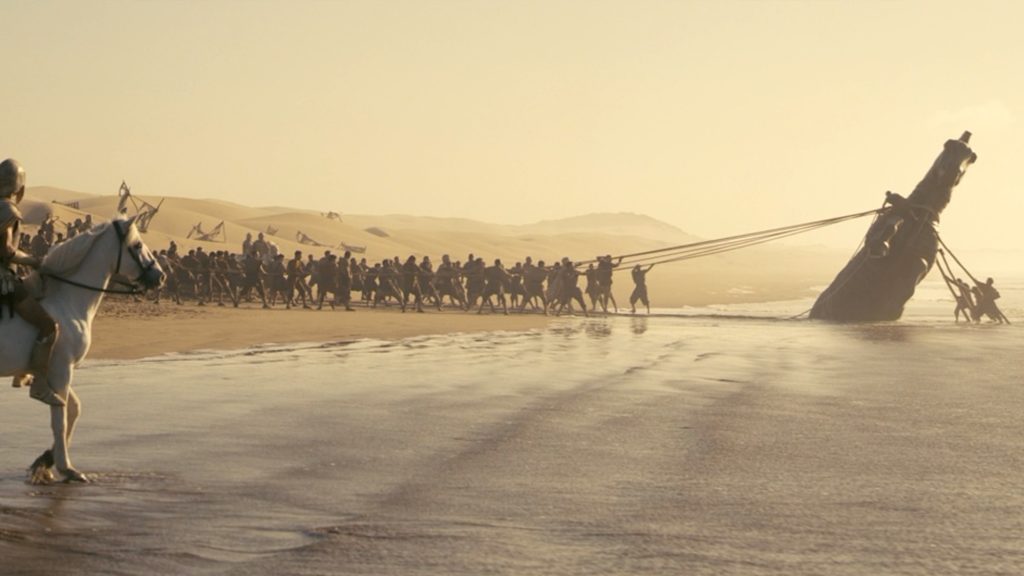
For starters, adaptation as a concept is something that is incredibly divisive, just by nature of what people want from it. Some may want it to be as faithful as possible, while others may be looking for a new spin on the source material. Adaptations then have to tow a very fine line between pleasing both parties.
In this regard, Nolan did a good job at taking the core story of the classic tale and keeping it faithful, while providing a new perspective, in this case being Odysseus’ mental state, and how he perceives the events of the Trojan War. It’s effective, even if this mental struggle is a bit too reminiscent of Nolan’s previous film Oppenheimer at points.
Nolan has also been vocal on how he wanted to take this classic story and “modernize” it for current audiences. This largely came through in the dialogue, and this is a change that, at least in my opinion, just didn’t work. Obviously going from Latin to modern English would change quite a bit, but a middle ground isn’t exactly unprecedented, and should have been taken.
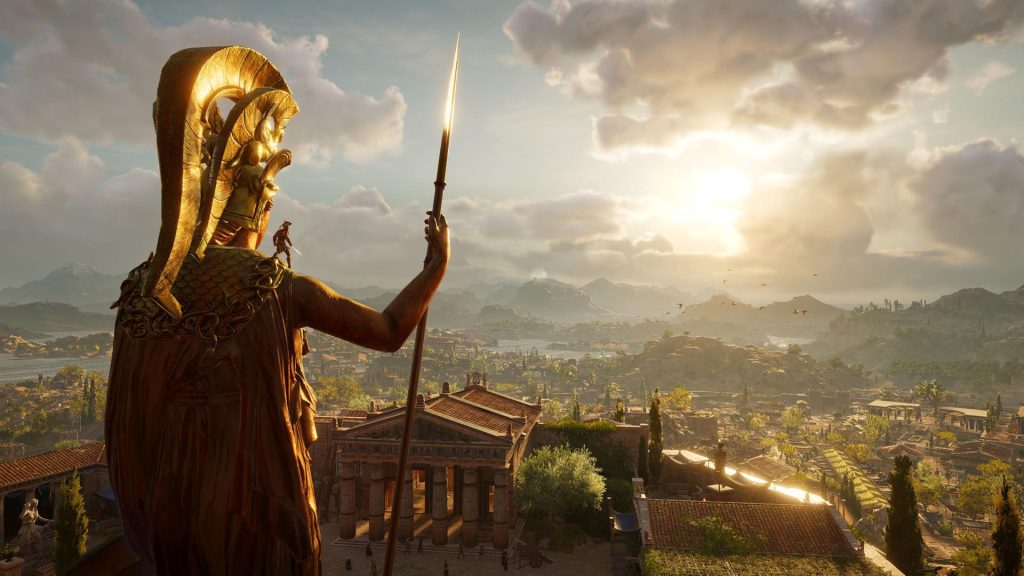
As an example, Assassin’s Creed: Odyssey, a video game set in ancient Greece, has characters speaking in English while still keeping accents for characters, and using a few Latin words in some places. The game may have nothing to do with The Odyssey despite its name, but the principle still applies.
The costumes aren’t entirely historically accurate either, but that’s another area where some creative liberties can be taken if it improves the film, and the costumes did look great across the board.
Nolan’s The Odyssey does still manage to keep the core intact, and it’s undeniable what story is being told here. Enough has changed to where it provides some unique insight, especially for the character of Odysseus, and remains visually striking, but other changes can feel unnecessary in some cases and like pure downgrades in others.
Adapting a story as old as The Odyssey is hard, especially with how often it has been retold. It almost becomes a Ship of Theseus situation, how many liberties we can take while still being the same story?