

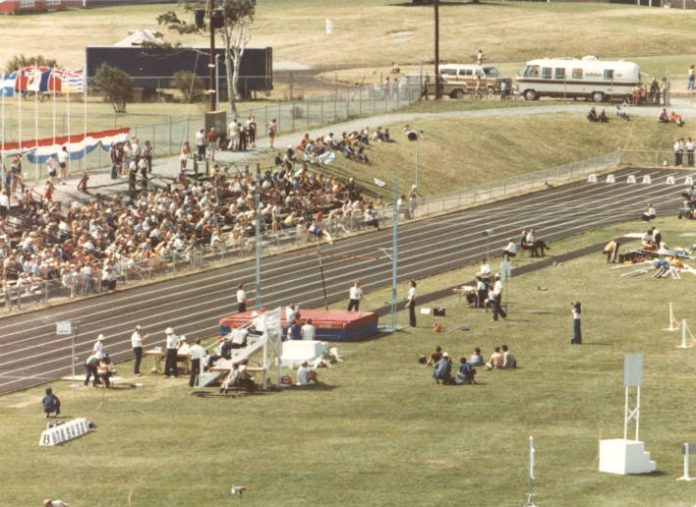
*This article first appeared in The Muse’s 75th Anniversary Print Supplement magazine, published January 2026.
Last summer in St. John’s was marked by the Canada Summer Games, as thousands of people flocked to the province to watch the country’s best athletes.
But how did it compare to the 1977 Games?
Team NL feats
Team NL entered the 1977 Canada Summer Games having not won a single medal in the 1973 Canada Games.
In fact, Team NL had only won a single medal in the entire history of the Summer Games: a bronze medal in men’s soccer at the 1969 Summer Games.
For Newfoundland, winning its first medal in eight years and its second medal ever was crucial, especially on home soil.
Team NL won the Centennial Cup for most improved team, and brought its medal record from the previous Summer Games from zero to four.
The medals won by Team NL at these Games were monumental at that time. Gordon Follett Jr. won the province’s first-ever individual medal at the Summer Games, a bronze medal in athletics.
The province also earned its first gold medal at a Canada Summer Games, as swimmer Blair Tucker won the men’s 200m butterfly. Team NL also picked up a medal in women’s field hockey, winning bronze, which was one of the bigger stories of the Games.
Infrastructure and importance of Aquarena
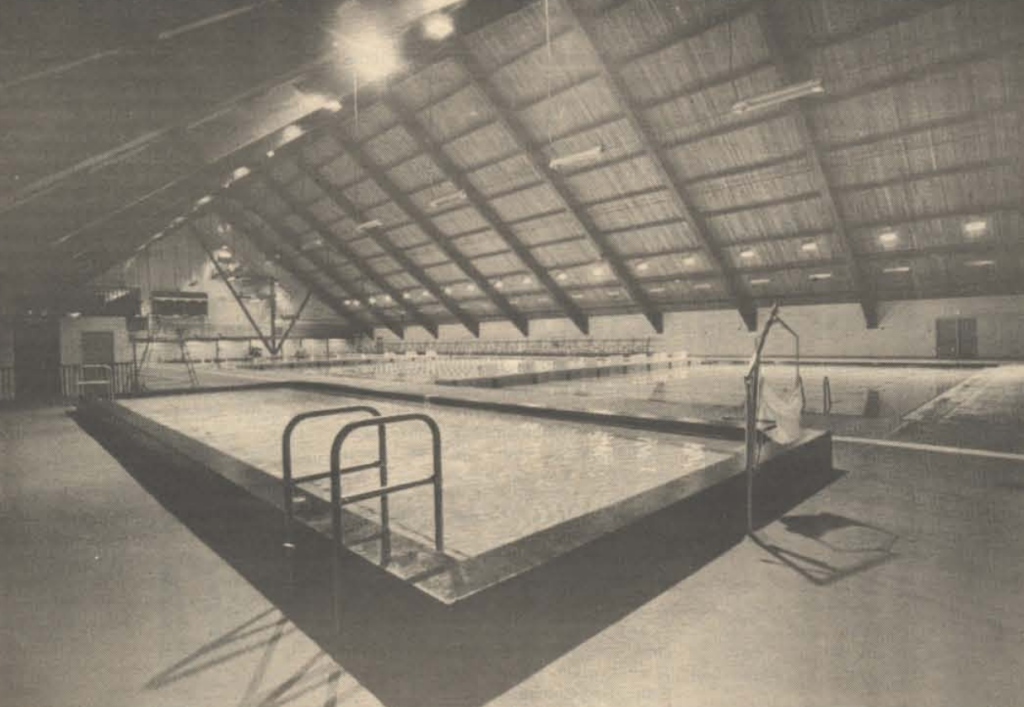
One thing these Games had in common with each other was the infrastructure that was built to make them a possibility. For both iterations of the Games, tons of money was spent on sporting facilities, especially the Aquarena.
For the 1977 Games, the Aquarena was built. It was one of the biggest stories surrounding the Games in the lead-up to the opening ceremony.
It cost just over $1 750 500 to build. According to Bill Burke, the manager of the Canada Summer Games, the facility was the “most modern community recreational facility in all of Canada, perhaps even North America.”
Not only were the organizers raving about the Aquarena, but so were the athletes. Linda Cuthbert, who at the time was the 10-metre Canadian diving champion, said the Aquarena was the “best pool complex she’s ever seen, including the Olympic pool in Montreal.”
At the time of its construction, the Aquarena was widely considered the most impressive sporting facility constructed in the province.
The Aquarena was once again key in ensuring the Games could be hosted here in St. John’s, this time around, with a major renovation taking place.
The Aquarena remained untouched for almost half a century, and in order for the Games to go ahead, a major facelift was required, which resulted in a $24.6 million renovation.
As reported by The Muse, the renovation included brand new diving boards, overhauled washrooms and change rooms, a new plumbing system and a new lighting system.
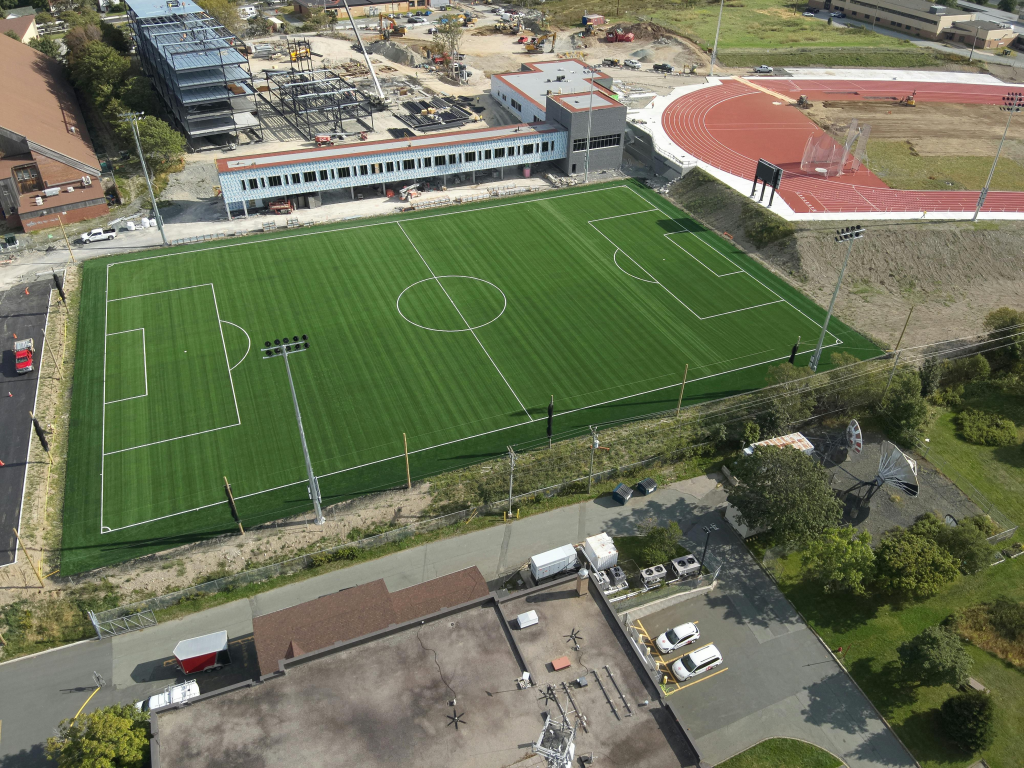
However, the Aquarena wasn’t the only major sporting infrastructure to have oddles of money put into it, as the brand new Fortis Canada Games Complex was built in order to support both athletics and soccer.
The facility is located right next to the Aquarena and is very close to the MUN campus.
The facility cost $34 million to build, and according to Jordan Wright, the lead organizer at MUN for the Canada Games, the complex was a key commitment that was made in order for the city to host the Games.
Sports

The 1977 Canada Games only featured 13 sports, many of which were not played during the 2025 edition.
This was the first Canada Games to ever feature archery, which was included in the Summer Games program until 1997, when it was switched to the Winter Games program.
The 1977 edition of the Games featured Field Hockey, along with other sports that are no longer included, like Water Polo, Water Skiing and Target Shooting.
Looking at the 2025 iteration of the Games, it is interesting to see how much the Games have grown in terms of sport. In the 48 years in between the Games, sports such as Rugby Sevens, Golf, and Wrestling have been added.
I would also be remiss if I did not mention that the 2025 Games were the first Games with women’s Baseball, which was a huge moment in Canadian sports history.
The 2025 Games were the largest ever in terms of athlete participation and brought national attention to our province. The growth of the Games in the 48 years between St. John’s hosting is remarkable, and it will undoubtedly continue to grow over the next 50 years.