

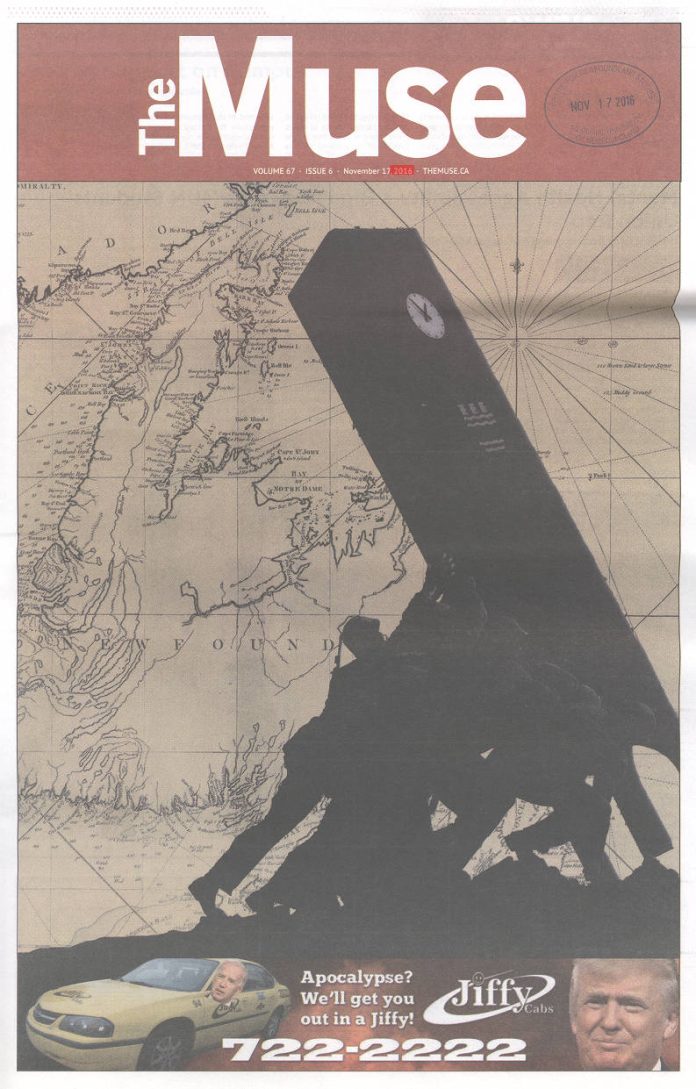
A lot has happened at Memorial University since The Muse was formed in 1950. Over the past 75+ years, The Muse has covered some major news stories regarding the province’s only university.
Here’s a look at some relevant headlines from the week of November 15th-22nd.
Campus Emergency Safety App Makes Debut (2016)
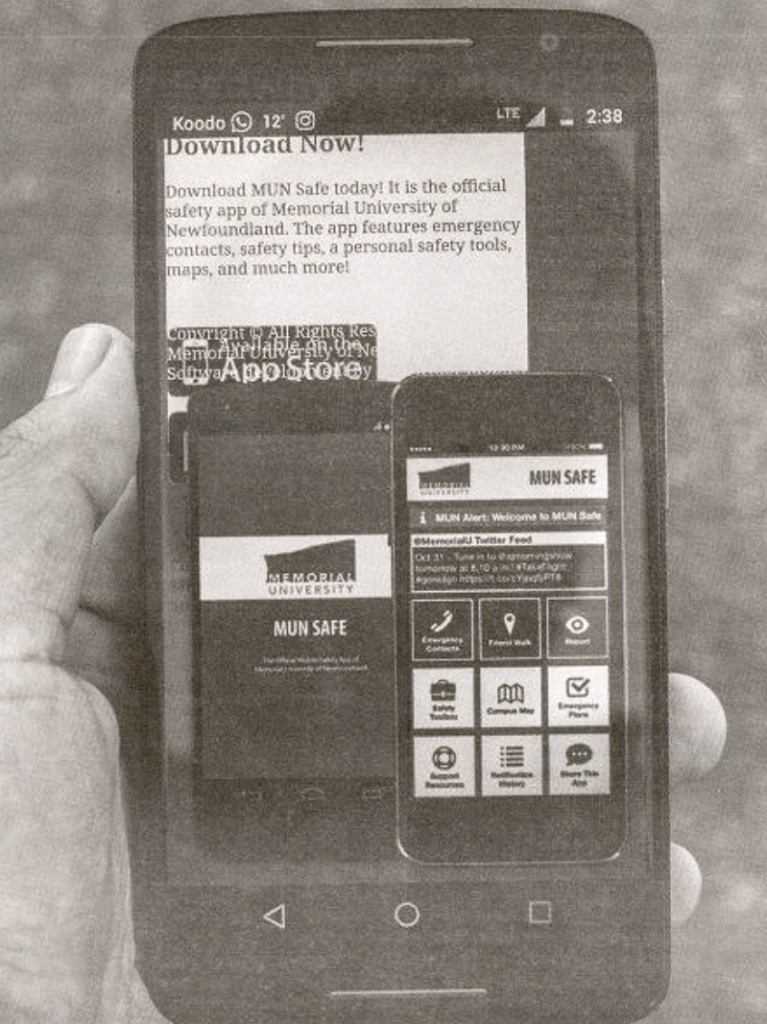
After a frightening incident in October of 2016 that saw the RNC arrest a man with a firearm near the University Centre at the St. John’s Campus, then MUN Provost Noreen Golfman said “We need to do a better job and we will do better in the future.”
So, as former Muse News Editor Emily Bonia reported, Memorial launched the “MUN Safety App” after students complained that they were not notified about the October firearm incident in a timely manner.
Former Chief Risk Officer of the University, Kris Parsons, said the app would send mass notifications to students with the app on their phone in the event of a potential threat.
10 years later, the app is still active, though it did not notify students after a recent string of incidents on campus.
CSU elections on the Internet (1997)
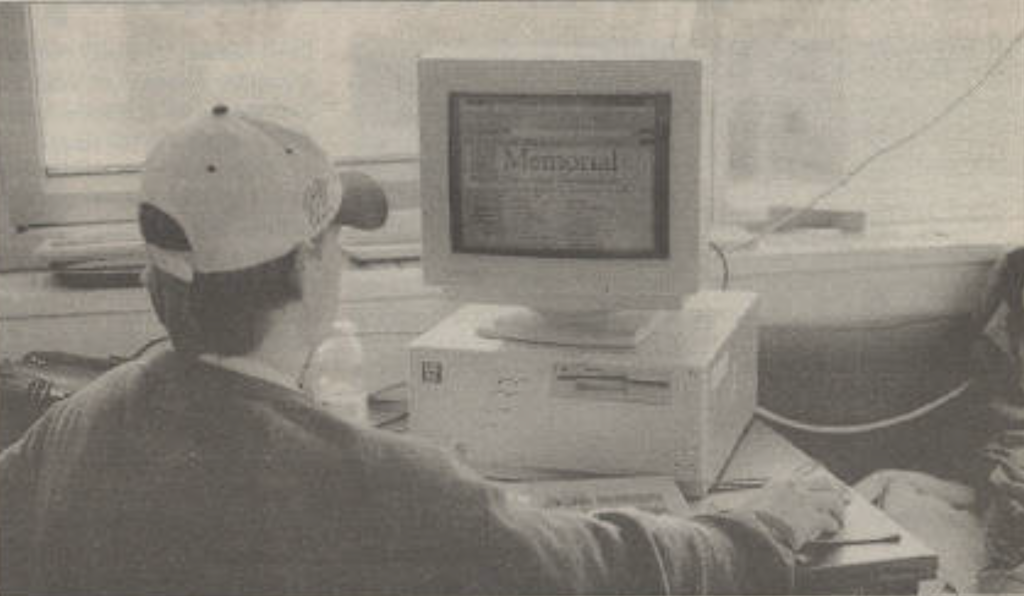
Former CSU Chief Returning Officer Rob Barter told former Muse News Editor Chad Luff, “As it stands right now, it’s harder to vote in our [CSU] election then it is to vote in the federal or provincial election.”
One reason attributed to this was that not all students had enough time vote, it also wasn’t very accessible, with there being only nine polling stations on campus.
“Sometimes you go to the TSC (Thompson Student Centre) and there’s eight or nine people ahead of you and you say ‘I don’t have time for this,’ and you go off and keep putting it off,” said Barter. “If it’s on a Web site, anytime you’re in a computer lab, it’ll take you three minutes to vote.”
Plans were made to begin implementing an online voting system.
Aside from the convenience it would offer, CSU members claimed that the new system would simply be easier to administer as it would automatically count ballots and that, with Memorial’s quick technological advancements, CSU believed implementing this system was a necessity to keep pace.
CSU also suffered from low voter turnout in their previous election, and former CSU General Manager Dave Kirkland believed that, had the system been in place for their previous election, turnout would have been higher.
Now almost 30 years later, most students at MUN vote in our student union elections online.
Demands for extra holidays met by senate (1970)
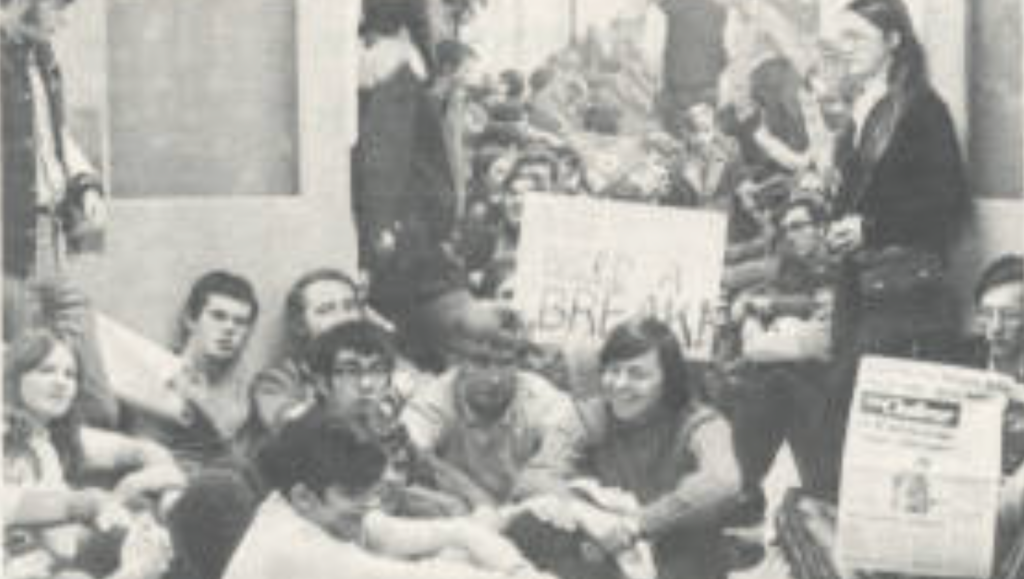
On a Tuesday night in November, over 50 years ago, nearly 1,000 students crammed the third floor of the Education Building, hoping their request to add an additional two days to their study break would be granted by the Senate.
Students presented the Senate with a petition demanding they be granted an extra two days to their study break with hopes the senate would vote in their favour. Said petition had 3,500 signatures.
Discussions around the break became quite heated, with students threatening to boycott classes if their demands weren’t met. Heated Senate meetings saw students boo CSU members who were not in favour of the holiday, and contentious debate over whether or not boycotting classes over adding two-days to their break was even worth it.
On the night of the vote, 1,000 students sardined into the Education Building, where The Muse reporter at the time said protesters were chanting outside the Senate room “we want answers” and “We’ll rant and we’ll roar like true Newfoundlanders.”
At 9:20pm that night, a Senator told students that after a close 20-16 vote, they had been granted an additional two-days to their study break.
The students rejoiced and left a “litter of cigarette butts and paper behind as a reminder of their vigil and victory.”
If you’ve ever wondered why we get a five-day study break every semester, revert back to this article.