

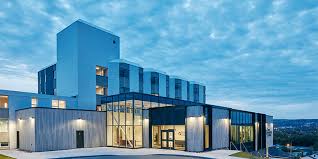
Memorial University announced that the Board of Regents “approved the process a recommendation from administration to begin the process of divesting real estate that is not central to Memorial’s academic mission.”
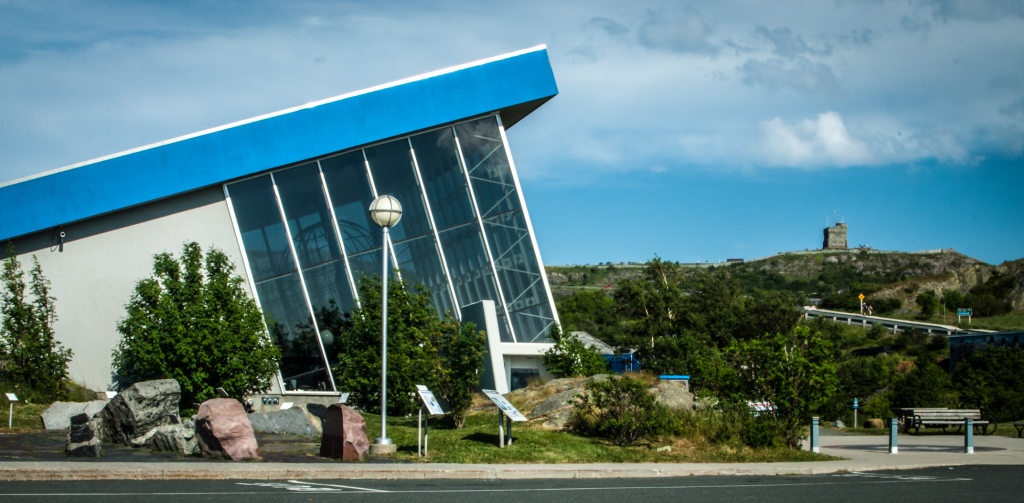
The “real estate” impacted by this decision? The U.K. based Harlow Campus, the Signal Hill Campus, the Johnson Geo Centre and the Ingstad building.
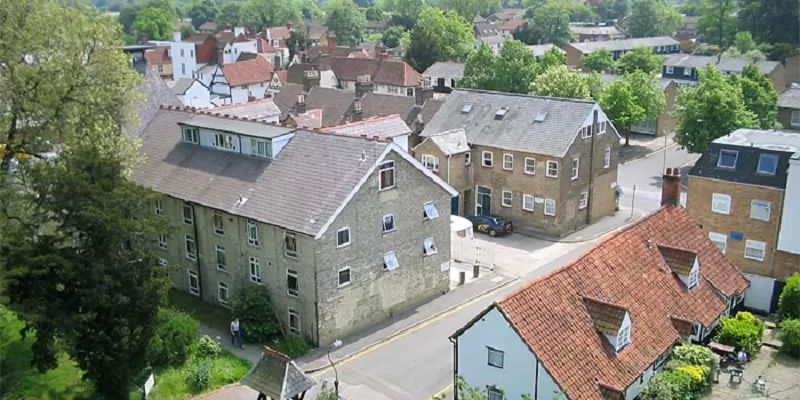
Harlow sold after months of speculation
The decision to sell their U.K. based Harlow Campus comes months after speculation regarding the future of the campus. Back in November, President Janet Morrison told The Muse on site at Harlow that the university’s $20 million deficit has demanded they “look at every dollar we spend relative to our core or academic mission.”
While she did say Harlow was never being looked at more “intensely then other than other circumstances,” she also said that “everything was on the table” for a potential sale.
Why are they selling all this infrastructure?
In the press release, Justin Ladha, chair of the Board of Regents, said that they are “taking a disciplined, intentional approach to financial stewardship so Memorial’s resources are directed where they have the greatest impact,”
He continued: “By reducing investment in non-core assets, we can further protect academic delivery, better maintain our infrastructure and ensure we remain well-positioned to support Memorial’s current and future learners.”
On the decision, President Morrison said “This decision to pursue divestment of these assets is not a value judgement on the quality of work done in these areas, nor does it mean that activities and units within those buildings will end. It is an opportunity for Memorial to right size its physical footprint and focus on what matters most.”
In the press release, other reasons they cite as to why they are selling this infrastructure are:
- “Significant financial challenges due to declining enrolment,
- constrained budgets,
- inflationary pressures,
- and the broader forces of social, technological and economic disruption that are impacting higher education across Canada.”
What’s Next?
Academic programming and events at the Harlow Campus will continue until August 31st of this year.
Operations and client bookings will continue at the Emera Innovation Exchange. According to the press released, this decision does not mean that activities or units currently housed at the Signal Campus will cease.
Unit-level planning will commence immediately to identify alternate spaces or adjustments to current offerings. If a sale is not completed by April 2027, all operations at that campus will cease and the building will close.
Graduate student residence occupancy will continue at Signal Hill Campus at this time, with support available to help students find alternative accommodations on the St. John’s campus.
The Johnson GEO Centre will reopen as usual in April, following its seasonal closure. If a sale or transfer is not completed by December 2026, operations will cease and the building will close.
Units within the Ingstad building (308 Elizabeth Ave, St. John’s), Strategic Procurement and Print and Mail Services, will move to the St. John’s campus.