

In an era of social media algorithms, AI-dominated search engines, and an endless number of dogmatic, red-pilled male podcasters, young people today have unprecedented and immediate access to information about sex that previous generations could hardly fathom.
This accessibility, however, doesn’t necessarily mean that young people are more educated on sex or that the information they receive is accurate. The digital age has transformed the critical practice of sex education into an arduous yet necessary project, leaving young people with minimal resources to navigate the complex subject.
Twenty years ago, the climate of conversations on sexuality looked a lot different, but the resources available to young people were decidedly more nuanced, comprehensive and trustworthy.
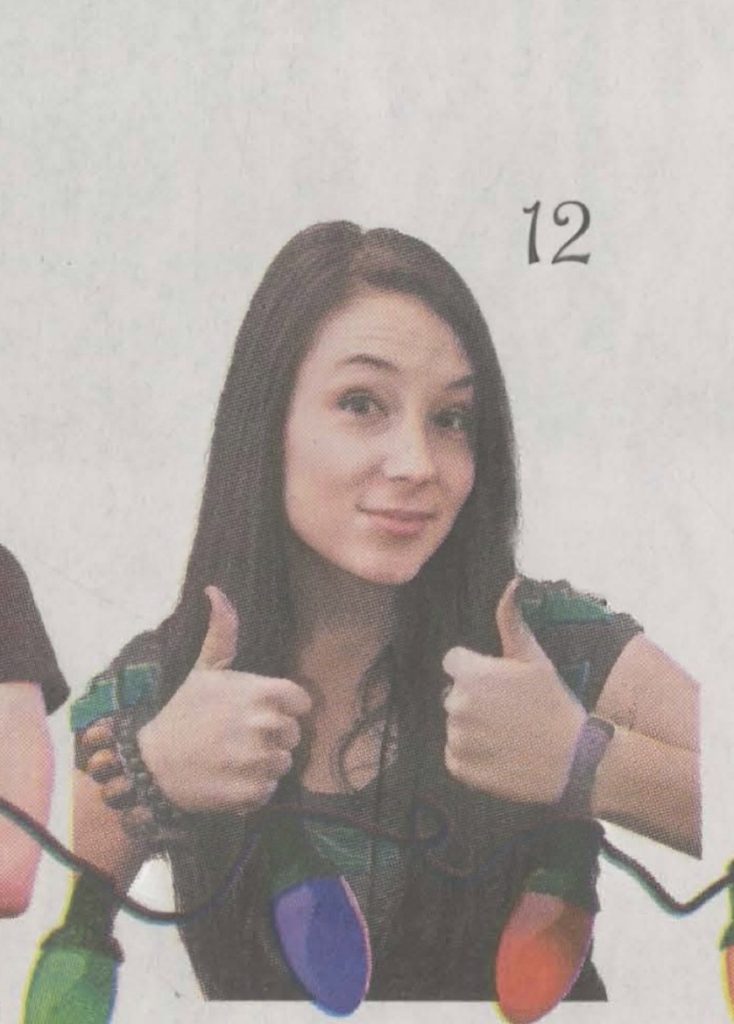
Former Muse sex columnist and current Gender Studies professor Dr. Krysta Fitzpatrick has witnessed firsthand how the needs of sex education have shifted in recent years. She says the current information overload has heightened the stakes to a critical level.
The Loch Sex Monster
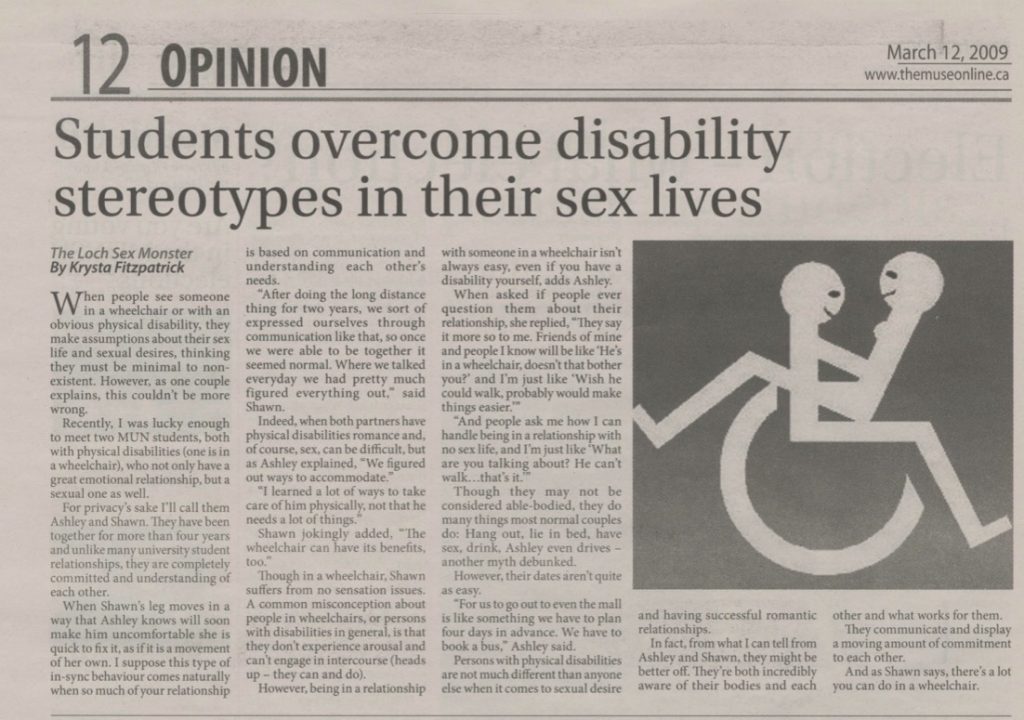
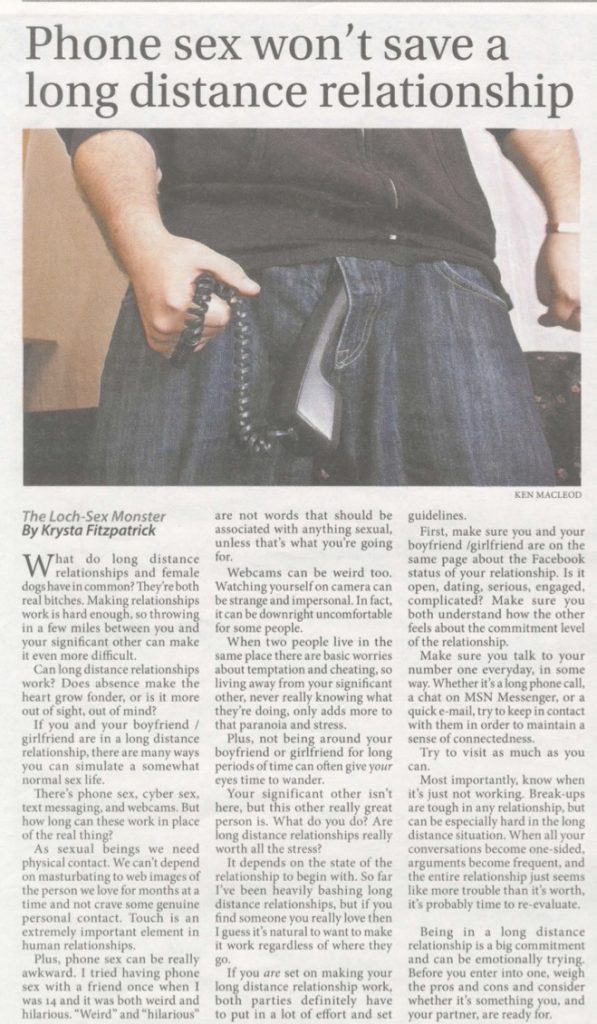
Fitzpatrick first took over The Muse’s biweekly sex column, aptly called The Loch Sex Monster, in 2007. The column explored several themes throughout its 3-year run, with notable pieces covering disability and sex, women’s sexual health, threesomes, intimate partner violence, coercive control and more.
Her articles weren’t limited to sex, but also touched on relationships, boundaries, respect and other important aspects of intimacy. Attitudes toward sex at the time allowed Fitzpatrick to generate discussion about sexuality in ways that might not be popular in today’s digital terrain–just consider your average Facebook comment section.
The Loch Sex Monster was a form of curated student media that ultimately served as an informal source of sex education on campus. The column was important for students as it promoted openness, allowing them to ask questions and engage in conversations they would normally be afraid to.
“I found that people were really comfortable with talking to me, so I would often get approached,” Fitzpatrick explained. “It got to a point where people were starting fake Facebook accounts just to message me. Ninety-nine percent of the time it was dudes asking, ‘Is this okay? Do other guys feel this way? Does this happen to other people?’”
Since Fitzpatrick’s time at The Muse ended in 2010, and since it transitioned to online-only publication in 2019, the digital information available to young people has developed rapidly and became increasingly charged with mass amounts of mis/disinformation.
From information inaccessibility to information overload
Today, access to information about sex and sexuality is at our fingertips, and young people are getting their questions answered on the internet. Between pornography, social media platforms and other media, the current era of the internet places an undue burden on young people to sift through content that is popular and sensationalized to find reliable and accurate information.
Fitzpatrick says the challenge facing young people today is their intense exposure to misinformed media. Most corners of the internet are refined by algorithmic models prioritizing attention and engagement for profit, meaning credible information can easily become buried beneath content curated to generate clicks and reactions.
“False information being accessed like it’s real is more accessible now than it was even five years ago,” said Fitzpatrick. “If a girl or a person with a vagina was wondering about masturbation and looked up ‘female masturbation,’ the first thing they’re going to get is porn. [Most] videos are going to be very male-centred images and ‘how to’ videos of female pleasure.”
But the issue isn’t just limited to individual sexual experiences. The amplification of inaccurate information about sex and relationships contributes to a broader cultural problem. The same information environment shaping young people’s understanding of sexuality also tends to expose them to harmful and misogynistic ideas about gender and relationships.
“We live in the world of the manosphere and incels and these Andrew Tate [influencers] where misogyny is becoming more and more problematic” said Fitzpatrick. She also pointed to the grave threat of artificial intelligence, noting that even locally, children are being investigated by the RCMP for using AI to generate sexual content of their classmates. These crimes highlight just how quickly technological development is creating novel forms of social harm before young people even have the tools to understand or navigate them.
Nearly two decades after The Loch Sex Monster first appeared in The Muse, the need for integrated and comprehensive sex education remains as urgent as ever. If the column were still running today, it would say that media and porn literacy and critical thinking are becoming essential components of sex education, and that it’s necessary to help young people distinguish between information that is meaningfully educational versus media that is simply accessible.
Sex education today can’t just teach young people about their bodies – It also needs to teach them to critically navigate the digital culture where they’re learning about relationships, sex, and gender.
*This article first appeared in The Muse’s Sex, Drugs, and Rock and Roll print edition, published September 2026.