
When you think of experimental noise what do you think of? Ear piercing sounds that you struggle to identify as “music” of any kind? Perhaps you think it’s the textbook definition of what your parents would call “not real music?”
Experimental noise lies in a niche middle ground between musical expression and performance art – right where a very dedicated and eccentric group find themselves most fit.
But in the current digital age, with top of the line recording and digital music creation software at the touch of a button, anyone can digitally design their own analog synth without any need for expensive hardware. While this allows for more ease of access for those who want to make music, it removes an aspect of this genre which is so crucial to its core: live performance.
In 1984, MUN faculty alumni Don Wherry wanted to capture the inherent love for sound that is so crucial to “noise” as a genre. So, through the sponsorship of Memorial University, Wherry was able to pull off the first ever Sound Symposium festival to celebrate the 400th anniversary of the province.
In doing this, Wherry legitimized experimental noise performance in St. John’s and really helped grow an audience in the province for this kind of music. Since then, the Sound Symposium has grown into a staple of Newfoundland’s artistic and cultural output.
(Check out this old sound symposium video on Facebook!)
https://www.facebook.com/share/r/1AseW81cbf/
Without the Sound Symposium, we wouldn’t have things like the Harbour Symphony, a yearly tradition of boats in the downtown harbour using their foghorns to play pieces written by local musicians every day during the festival. There’s also the ONSOUND music festival. ONSOUND is a festival similar to Sound Symposium, however ONSOUND focuses on a specific musical genre for each festival, whereas Sound Symposium focuses on the love of sound and experimental music creation. ONSOUND happens on even numbered years, where Sound Symposium happens on the odd numbered years.
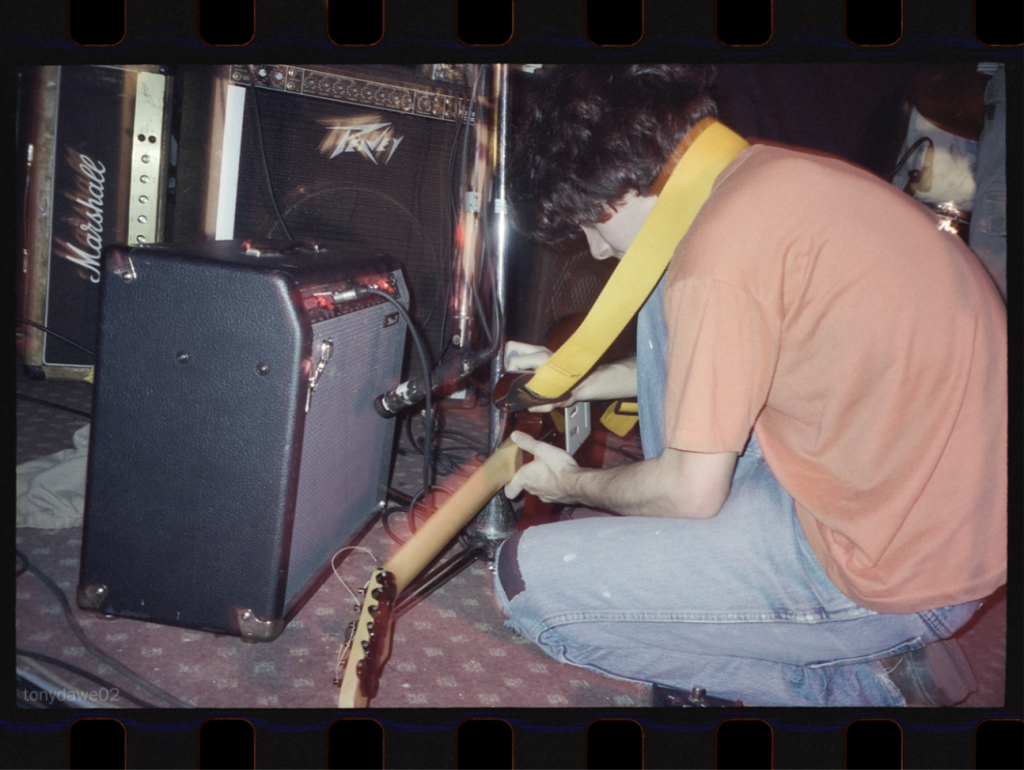
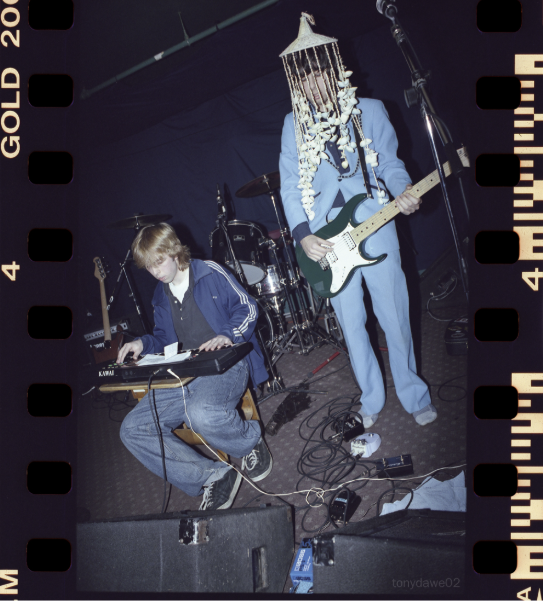
In the indie music scene, the 1980’s – early 2000’s were a very vibrant time for St. John’s when it came to experimental noise. While there were still noisy portrayals of avant-garde experimental art happening through the Sound Symposium festival, there was another boom coinciding with the boom of alternative music in Newfoundland, which was the infusion of these elements of experimental noise in indie, punk, and early emo bands of the 90’s and early 2000’s, such as bands like Good Kids Pretend They’re Bad (noisy indie), Geinus (noise rock), and Mopey Mumble Mouse (experimental indie), along with countless others.
These bands live in infamy to the indie music scene, however back in the day, there were patrons of the music scene who felt that experimental noise was too “out there” for where the scene was at at the time.
In a conversation with Newfoundland indie music alumni and former member of Mopey Mumble Mouse Bart Pierson, he recalled that they were “pretty noisy and experimental… I think we were too weird for the scene at the time, and a lot of people hated us. People used to tear down show posters if our name was on it.”
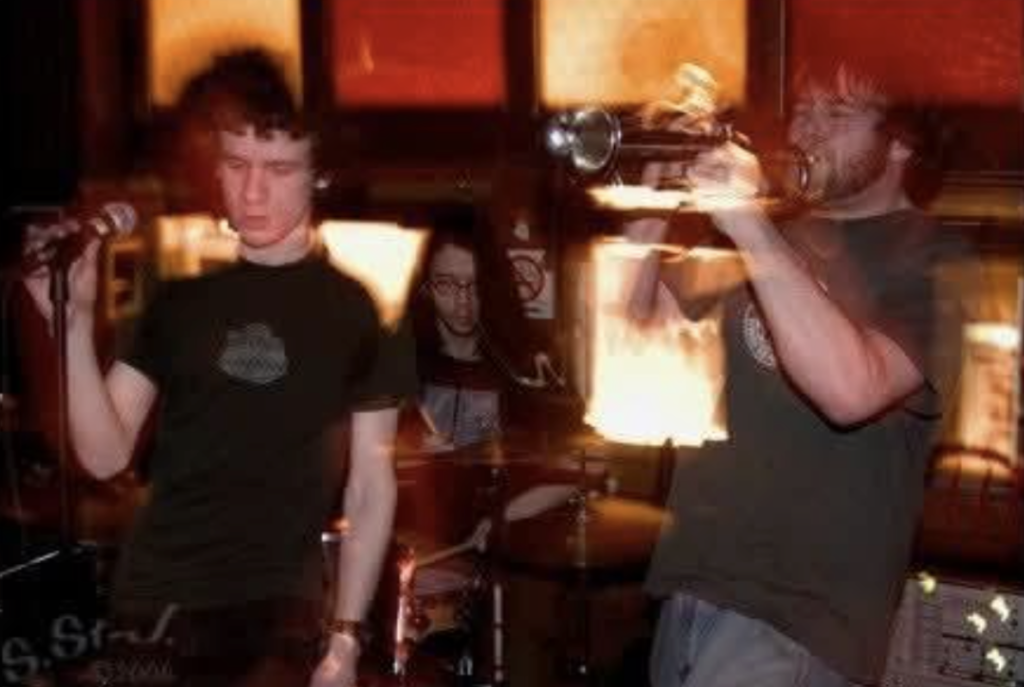
Some of these bands exist with full albums archived, some with grainy videos archived on youtube, and some that are fully lost to time (luckily in their early wisdom, everything from the 43 years of Sound Symposium has been archived on their youtube page).
When talking to noise artists about the history of harsh/experimental noise, a constant anecdote that comes up is the struggle they’d had with finding venues. This isolation ended up leading to a boom in the house show scene and DIY venue scene, where peoples’ family homes would become frequent venues for these bands or artists that were too harsh for the public eye, similar to that of the DIY punk scene.
In summary, if your parents ever tell you that your ambient synth or industrial harsh noise playlists “aren’t real music” feel free to show them this article, because if you live in this province, I’d be willing to bet there are a lot of people who’d beg to differ!