
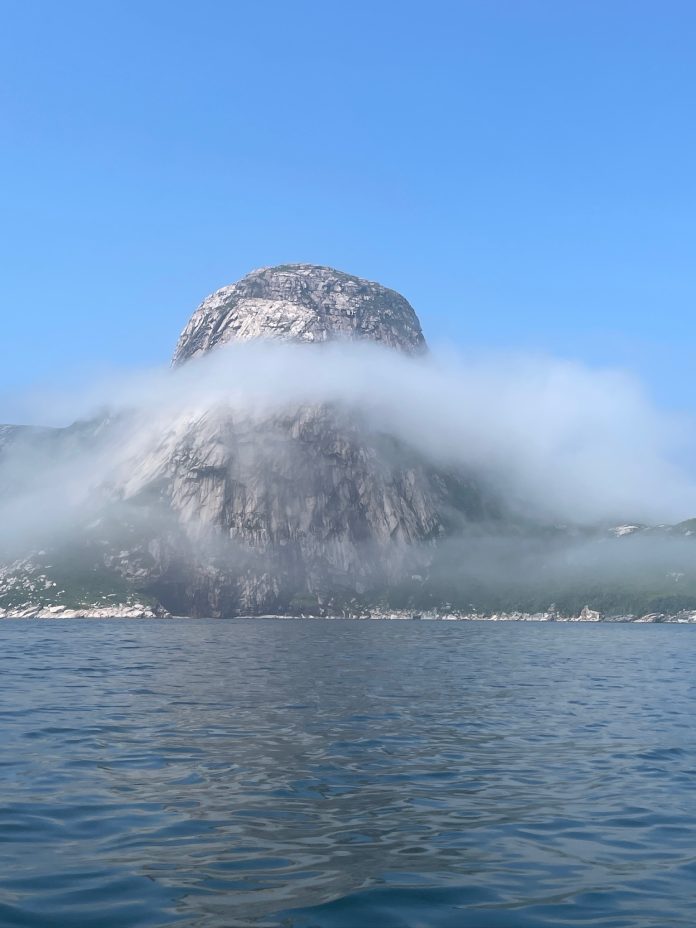
The Wakeham government’s decision to abandon plans for a marine protected area along Newfoundland and Labrador’s South Coast is difficult to justify.
The region is among the most striking and least disturbed on the island, and the proposal to protect it was a much-needed effort to link environmental stewardship with long-term economic development in the province.
Three motives appear to be at work: the plan originated under a Liberal government; pre-election promises were made to stimulate the regional economy through aquaculture; and environmental protection is assumed to conflict with economic growth. It is the third assumption that deserves the most scrutiny.
Struggling rural communities like Burgeo had hoped that protected-area designation could anchor a different economic future.
The idea was to create a national park centred on the Sandbanks near Burgeo, drawing visitors from around the world. Properly developed, such a park could have supported tourism, small businesses, and long-term employment without degrading the landscape itself.
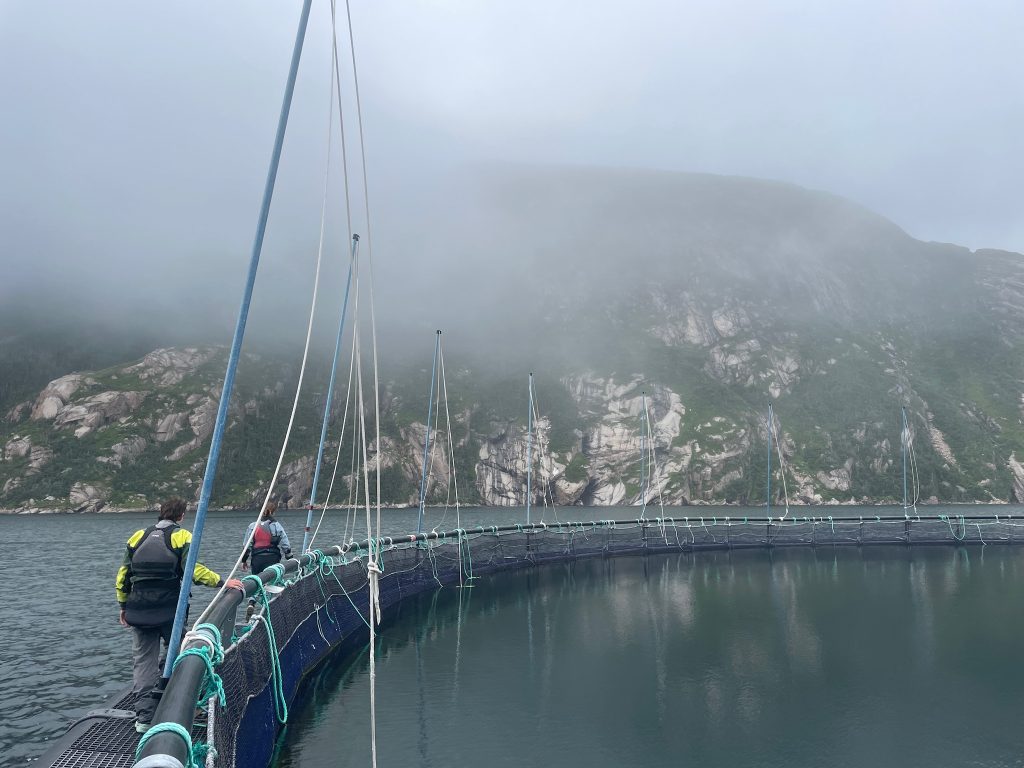
Instead, the government appears to favour more familiar, environmentally violent options: aquaculture and mining. In the case of open-net pen aquaculture, empirical research links the practice to declining wild salmon stocks through disease transmission and increased predation at river mouths. This is not ideology: it is science.
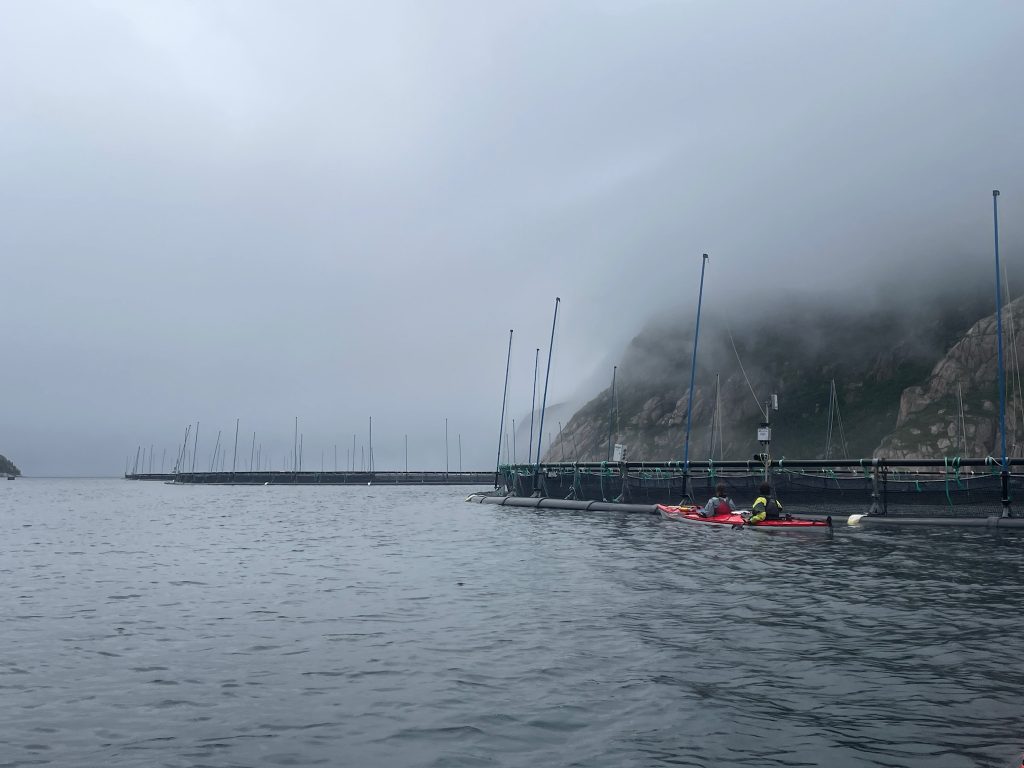
Wild salmon are part of Newfoundland and Labrador’s natural heritage, as Chef Jeremy Charles said recently at Davos.
Open-penned farmed salmon is not sustaining anything other than the paychecks of CEOs who prefer this cheaper method to more environmentally sound ones such as land-based aquaculture.
And mining–it has always been the death-knell of an ecosystem. Many years ago, I spent a summer in White Bear Bay—right in the middle of the South Coast. Its beauty has stayed with me.
Ecotourism is an obvious choice for the region. It would bring jobs, economic development, and incentivize conservation of an area that deserves UNESCO heritage status.
Dr. Sean J. McGrath, Professor, Department of Philosophy, Memorial University. Adjunct Professor, Religious Studies, McGill University, Co-Director, For a New Earth http://foranewearth.org/