
Note: I began writing this op-ed prior to the incident at CFB Wainright. The fires I refer to are simply forest fires, although amped up from climate change. This is not a comment on the incident and subsequent fire at CFB Wainright. My heart goes out to the victims and their families at this trying time.
Dear Albertans,
First off, I’m not about to comment on Western alienation from the most Easterly point in North America. Nor am I going to discredit how you should feel towards Ottawa, immigration, equalization, and so on.
This isn’t about that. What I want to say is that I kinda, sorta, almost get it.
Now to be clear, I’m far from a separatist. I’m a proud Canadian, although I usually try to bat off nationalist sentiments. But if there is a nation I let my guard down for, it’s Newfoundland and Labrador.
We know what it means to be estranged from the rest of the country, because we just got here. We’re the newest province; the baby of confederation your mom had while you were graduating high school.
And there are still a few nans and pops today who would tell you they’re British, and more than a few with a Princess Diana china set to back it up.
But just about every one of us would say we’re distinct from the rest of Canada, while also being proud Canadians. That isn’t to say we haven’t had our grievances with the federal government, quite the opposite.
In 1992 an economic, cultural, and environmental disaster of Chernobyl proportions struck this province in what was the Cod Moratorium. A moratorium put in place by the federal government.
The cod fishery was an integral part of our economy and culture. We fished it for 500 years and even today you can refer to codfish as simply “fish” and everyone will know which one you’re talking about.
We lived, breathed… and destroyed this industry.
However, what people often forget is that the fish didn’t just drop off the face of the Earth in ‘92. In fact, it had been in steady decline for years, and many fishermen will tell you there were no fish to be caught in the years leading up to the moratorium.
Despite this reality, many people just couldn’t wrap their heads around the fish not being there. They always had been, for the past 500 years and beyond. Even when the environmental reality was right there in people’s faces, they denied it. Just ask John Crosbie.
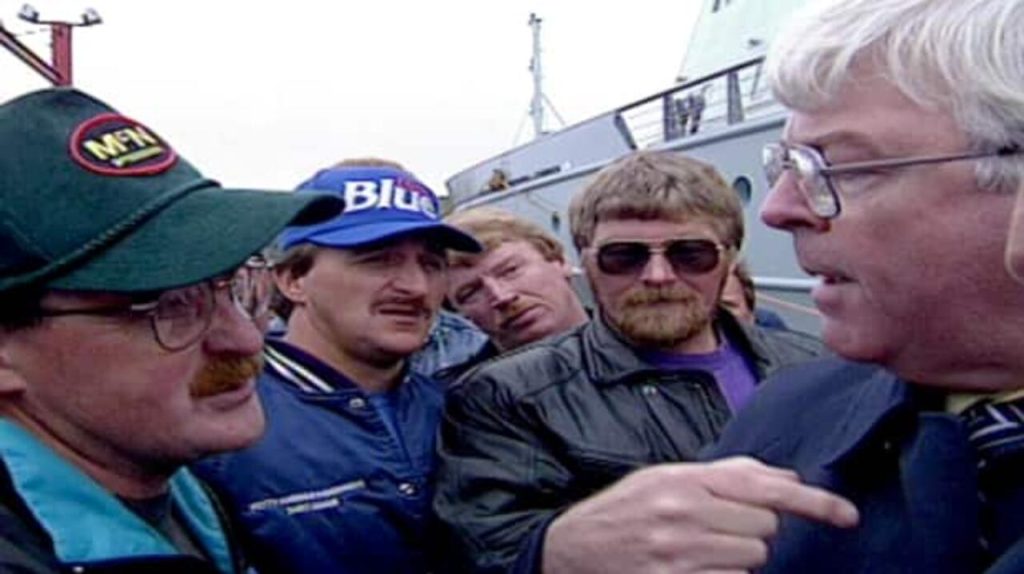
The fallout led to the largest mass layoff in Canadian history, with more than 30,000 Newfoundlanders and Labradorians losing their jobs. The subsequent mass emigration drained the province’s population by 10 percent. It was Resettlement’s wet dream.
Many of those migrants found work on the oil patches in Alberta, where they began to take part in another form of environmental erosion.
Contrary to Bloc Quebecois Leader Yves-Francois Blanchet’s idea that oil and gas does not “qualify to define a culture,” I believe that any industry creates a culture which extends beyond clock-out.
While the oil and gas industry obviously hasn’t existed for 500 years, I still believe that it has its own culture surrounding it, and that it’s heading down the same path our fishery once followed.
Just as the fishery ultimately destroyed itself, so too will the oil and gas industry. Yes, I’m talking about the climate crisis again. No, I won’t sit here and try to convince you it exists. If the overwhelming evidence has fallen on deaf ears, so too would my argument.
Regardless, you’re seeing the signs as we once did. Summer after summer Canada is set ablaze. Or at least we used to be, now we never go out. Under all that ice and snow we’re so famous for, fires smolder and await their eruption. We’ve created biological magma.
While the signs are there, denial and indifference are rampant. Here, we understand your delusion as nostalgia.
Where our histories, whether fortunately or unfortunately, diverges, is that the cod fish disappeared. Yours is still in the ground. It’s fortunate because it’s better off there than in our atmosphere. You can also make a decision here and now to diversify your economy away from oil and gas, the same way we were forced to diversify ours, which we have done.
Unfortunately, it may take the remainder of your oil reserves to come to such a conclusion, if we’re lucky enough to make it that far. That was us, after all. It took the crash of the cod fishery for there to be action taken to protect what little was left.
This isn’t to say the oil and gas issue is the only reason for the separatist sentiments in Alberta, but I do think it’s a key factor. You can be worried about your economy and culture, but the environment doesn’t care about either of those concerns. However, those concerns are flexible.
Today, Newfoundland and Labrador boasts the highest GDP growth amongst all provinces, and I would say our culture is as vibrant as ever, even without the cod fishery as it once was. Yes, we were hurt economically and culturally, but we bounced back, and we bounced back faster than the Atlantic cod did.
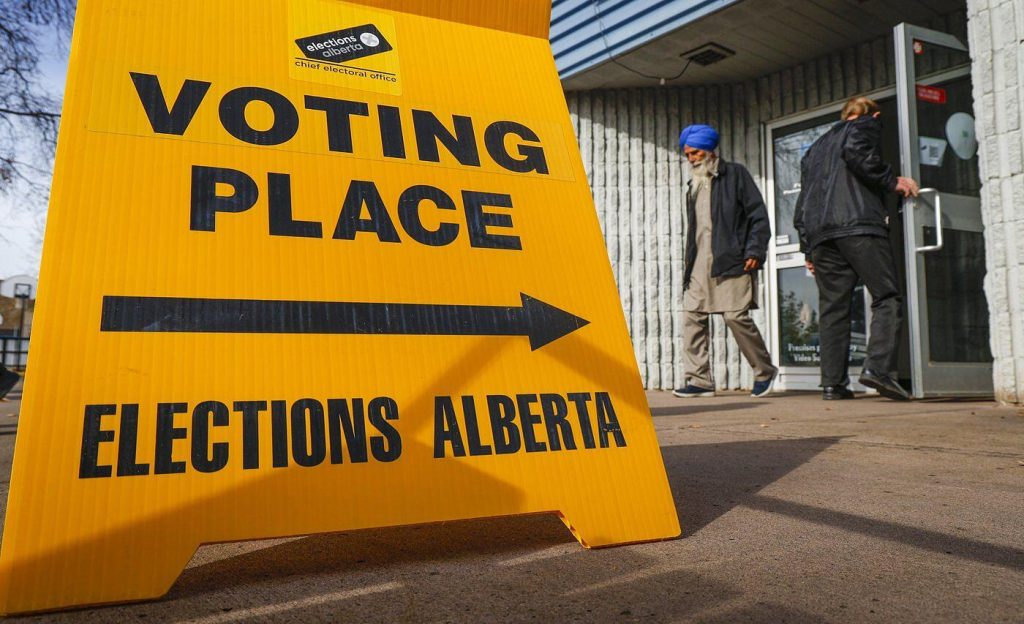
So to Albertans voting today, keep in mind, you’re richer than you think.